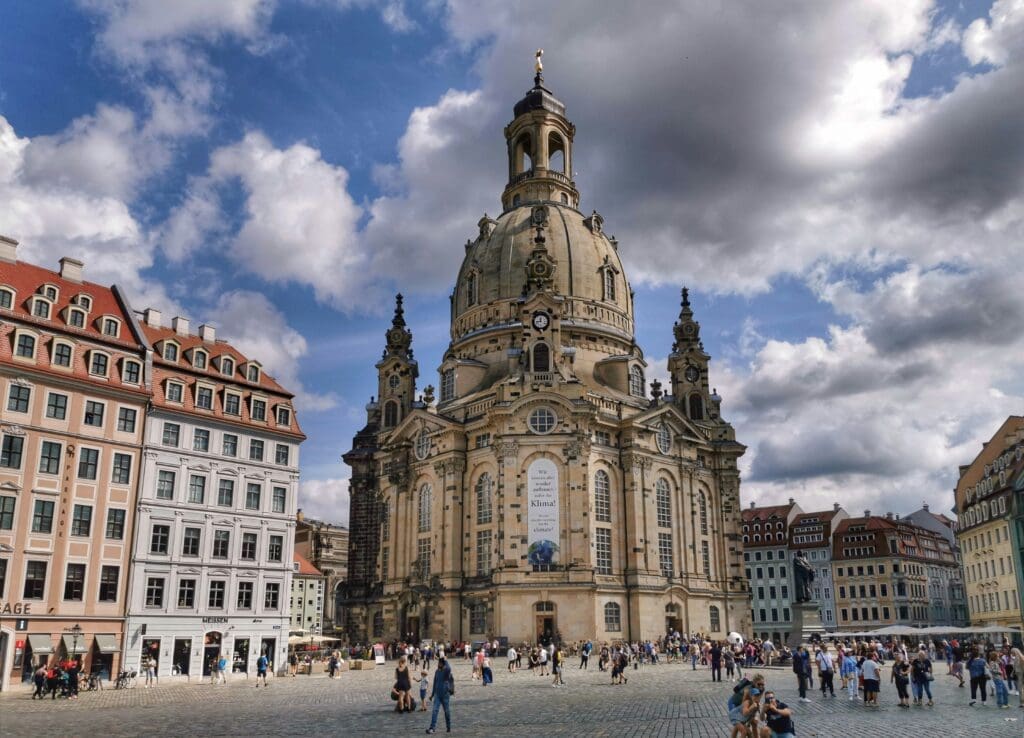
The Frauenkirche on Neumarkt in Dresden is an impressive landmark. It attracts millions of visitors annually. This church is a masterpiece of Baroque architecture.
Originally built in the 18th century, it has a turbulent history. It was destroyed during World War II. However, reconstruction began in 1994 and ended in 2005.
Today, the Frauenkirche stands as a symbol of reconciliation and peace. It is a place for quiet reflection and contemplation. At the same time, it is a center for culture and faith.
The Neumarkt, which surrounds the church, is a historic square. It is the heart of Dresden. Here, history and modernity meet.
The Frauenkirche is an important part of Dresden's tourism. It is a popular photo motif. Tourists from all over the world come to admire its beauty.
The church's dome offers an impressive view. From here, you can see the entire city. It's an unforgettable experience.
The Frauenkirche is more than just a building. It is a symbol of Dresden's rebirth. A place of hope and faith.
The History of the Frauenkirche on Neumarkt
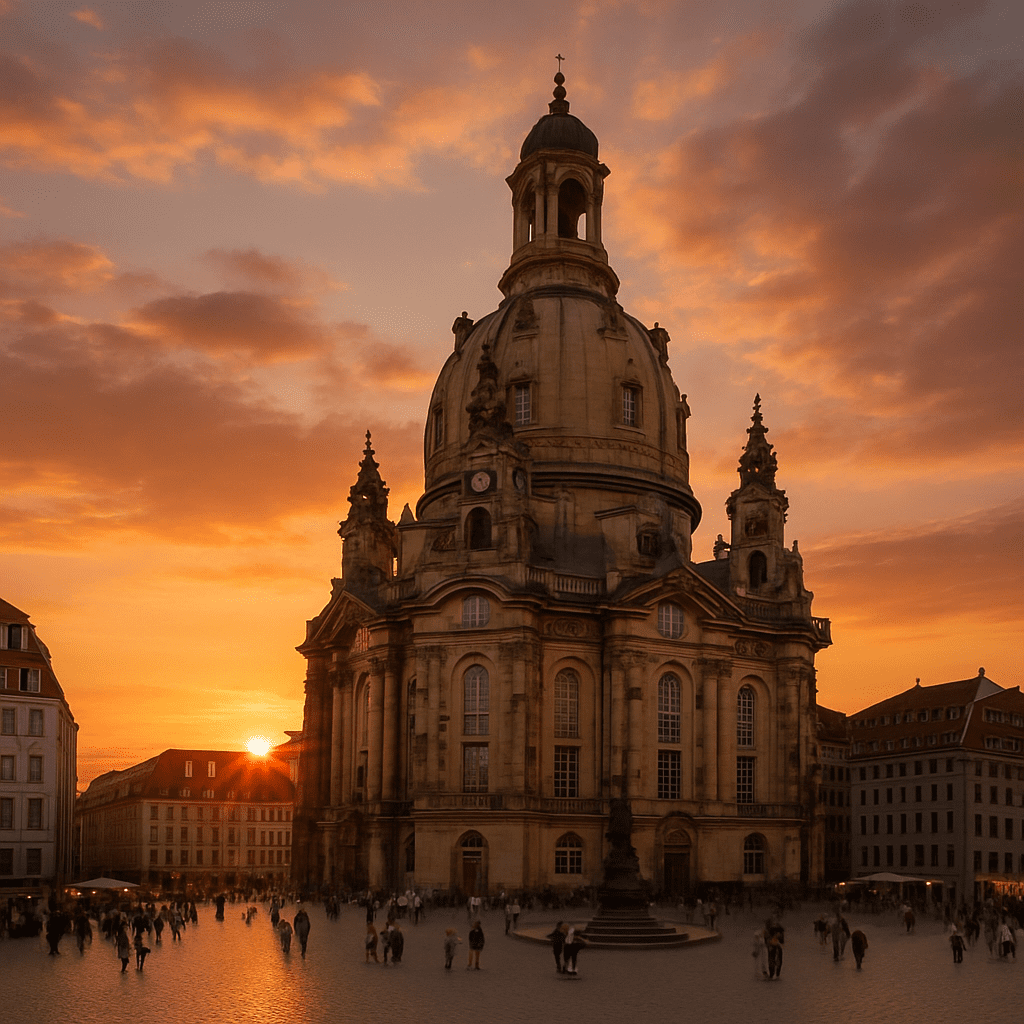
The history of the Frauenkirche in Neumarkt is fascinating. Construction began in the 18th century. It lasted from 1726 to 1743 and created a masterpiece of Baroque architecture.
Your architect, George Bähr, faced great challenges. The dome of the Frauenkirche is considered an engineering marvel. It was revolutionary and unique for its time.
Over the centuries, the church experienced many events. It was destroyed during the bombing of Dresden in February 1945. The rubble remained a memorial until the fall of the Wall.
After the reunification of Germany, reconstruction began. This was supported by a worldwide fundraising campaign. People from various countries contributed to the restoration.
Key milestones in the reconstruction process:
- 1994: Reconstruction begins
- 2000: Coronation of the Dome
- 2005: Official Reopening
The Frauenkirche is more than just a reconstruction project. It is a symbol of peace and reconciliation. Its history inspires visitors from all over the world.
Today, the Frauenkirche stands as a proud landmark in Dresden. It is a reminder of the past and points the way toward a peaceful future. The church preserves heritage while also living in the present.
Architecture and Special Features of the Frauenkirche Dresden
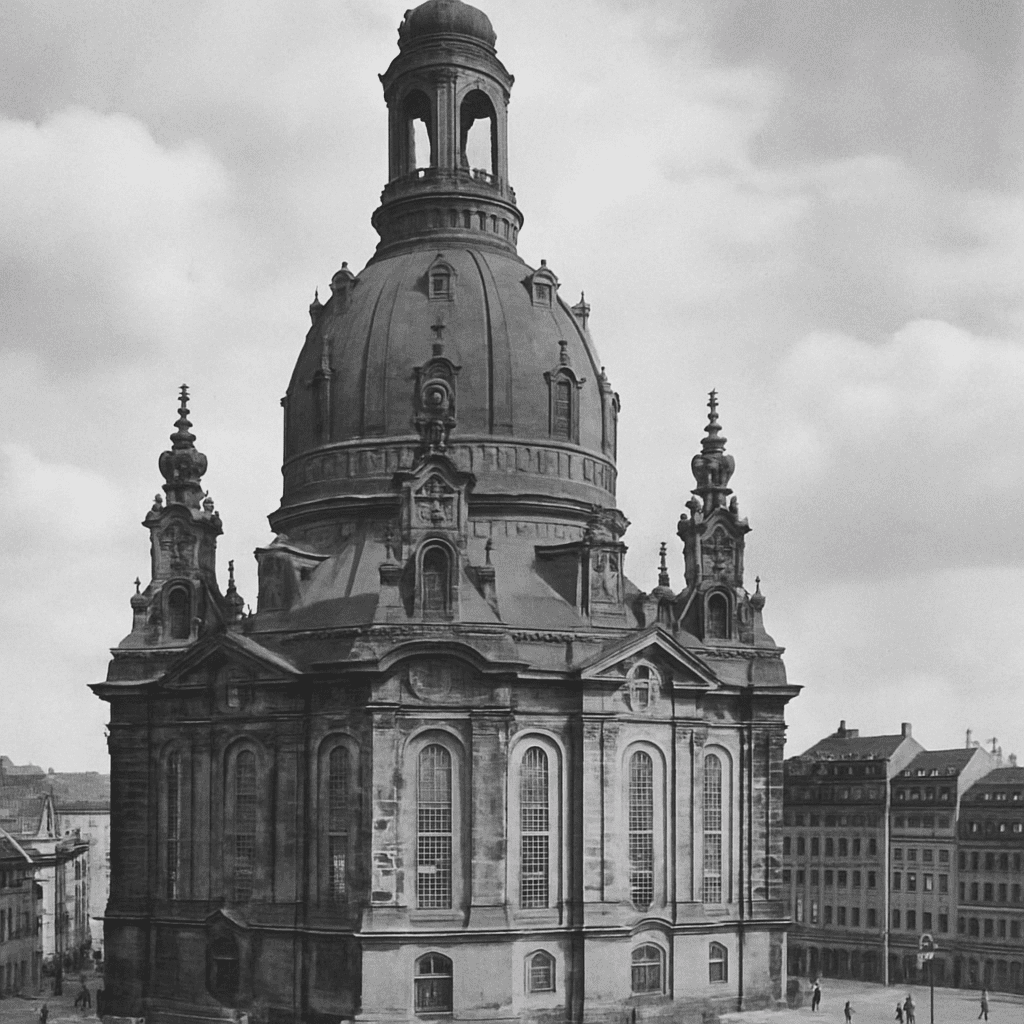
The Frauenkirche in Dresden is a masterpiece of Baroque architecture. Its majestic dome dominates Neumarkt and the Dresden skyline. This dome, often referred to as the „Stone Bell,“ is impressive both technically and aesthetically.
The interior of the Frauenkirche reflects Baroque splendor. Richly decorated altars and elegant galleries create an overwhelming atmosphere. The interplay of light and architecture is impressive and emphasizes the spiritual aura of the space.
Distinctive features of the Frauenkirche:
- DomeUnique stone construction without metal reinforcements.
- High altar: Intricate relief carvings depicting biblical stories.
- Organ: An impressive instrument with over 4,000 pipes.
- Interior designUse of traditional techniques and materials in reconstruction.
The church also features modern elements. Innovative techniques were used during the restoration work. These blend traditional Baroque styles with modern architecture.
One of the highlights of the Frauenkirche is its acoustics. It is renowned for its exceptional acoustics and attracts musicians from all over the world. Regular concerts fill the space with music and bring the historic atmosphere to life.
In summary, the Frauenkirche is a prime example of Baroque architecture. It successfully blends tradition and modernity. Its architectural finesse makes it one of Dresden’s most important landmarks.
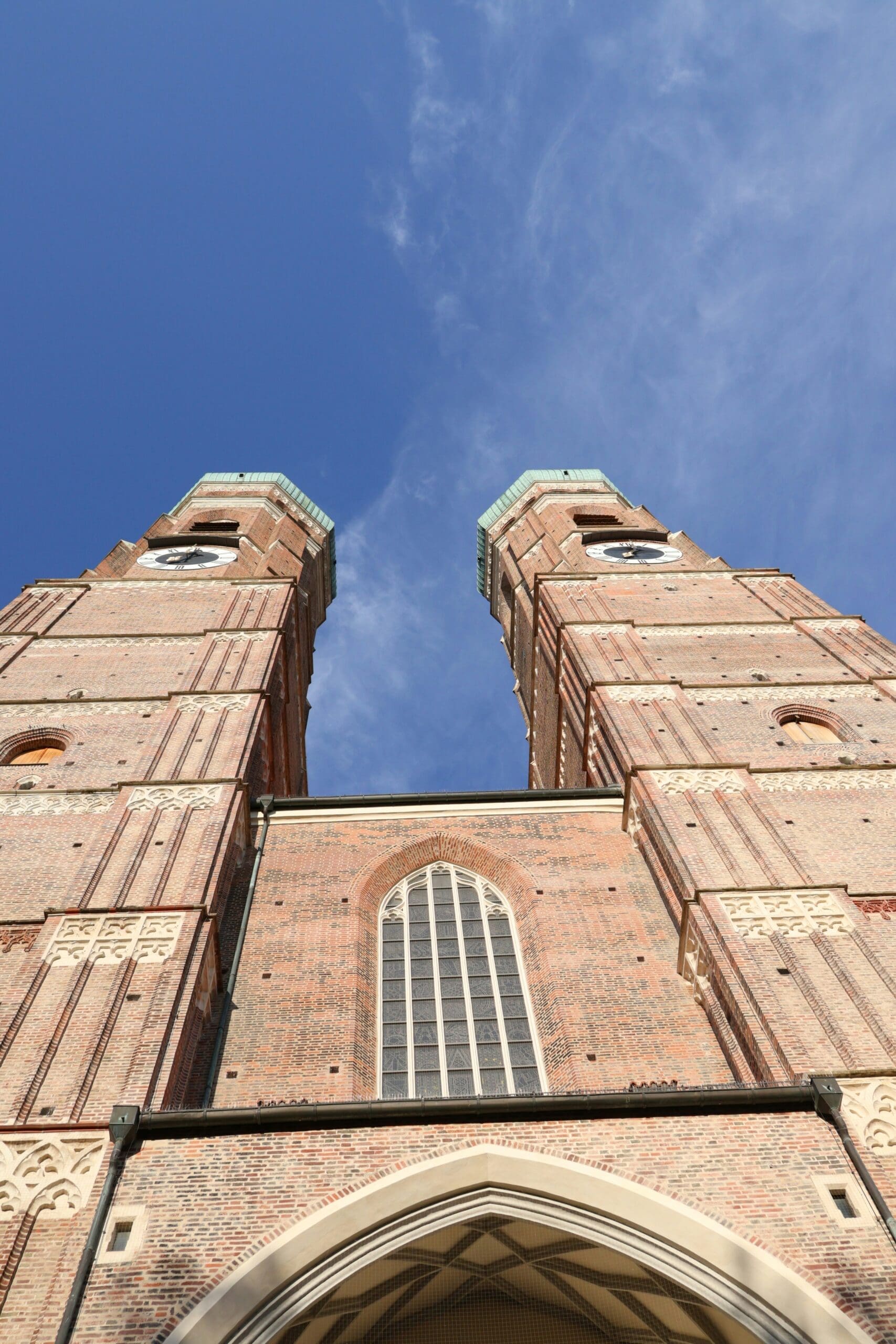
by Matthew Chow (https://unsplash.com/@matthewchow)
Destruction and Reconstruction: A Symbol of Reconciliation
Today, the Frauenkirche in Dresden stands as a powerful symbol of reconciliation and reconstruction. It was destroyed during the bombing raid of 1945. Its ruins remained standing for decades as a memorial, serving as a reminder of the horrors of war.
The reconstruction of the Frauenkirche began in 1994. It was a monumental undertaking that lasted over a decade. International support and donations made this ambitious project possible. People from all over the world contributed to the rebirth of this significant edifice.
One challenge during the reconstruction was integrating the original parts. Many of the stones from the ruins were carefully cataloged. Using modern technology, they were incorporated into the new structure. This created a symbolic link between the old and new churches.
On October 30, 2005, the Frauenkirche was solemnly reopened. This ceremony marked an important moment for Dresden. The church now stands as a symbol of hope and reconciliation.
Today, the Frauenkirche is more than just a building. It reminds us of the power of community and peace. Its reconstruction shows how destruction can be overcome and serves as an inspiration for future generations.
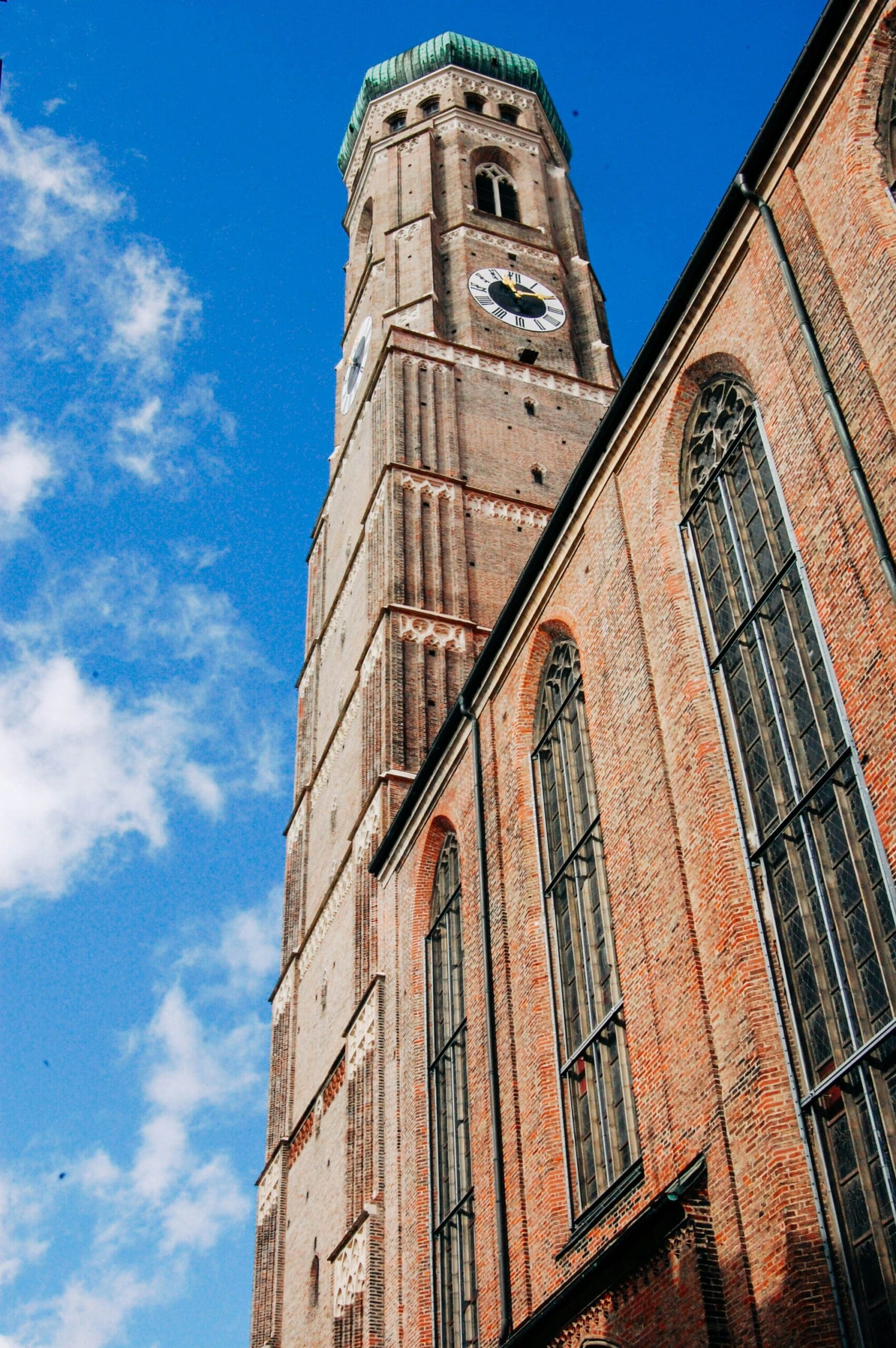
by Lexi Laginess (https://unsplash.com/@lexilaginess)
The Frauenkirche Today: A Center for Culture and Faith
Today, the Frauenkirche in Dresden serves as a vibrant center for culture and faith. It attracts both believers and those interested in culture, offering a diverse program. In addition to regular church services, concerts and readings are also held here.
The interior of the church impresses with its artistic design. It is a place of peace and contemplation that also attracts tourists. Visitors are invited to admire the unique architecture and pause in the nave. Art and culture enthusiasts will find inspiration and wonder here.
An important aspect of the church is its role as a platform for cultural exchange:
- Regular ecumenical events promote dialogue between different faith communities.
- The church provides a venue for international artists and musicians.
- Educational programs and guided tours convey the history and significance of the church.
The Frauenkirche is more than a religious site; it is a vibrant cultural center. It invites people from all backgrounds to become part of its community. Its significance extends far beyond Dresden, reflecting the diversity of European culture.
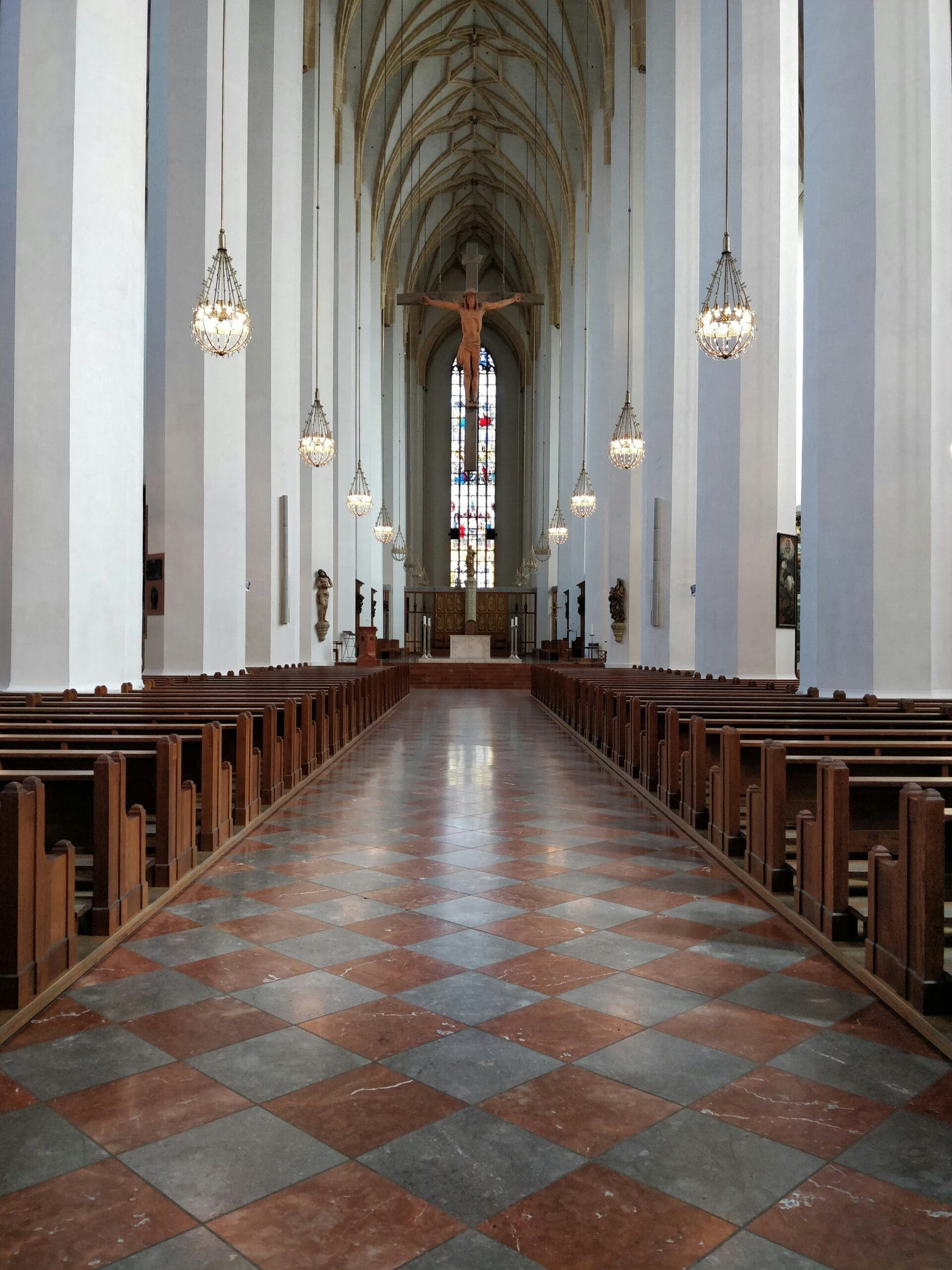
by Darshan Gajara (https://unsplash.com/@weirdowizard)
The Frauenkirche as a Magnet for Dresden Tourism
The Frauenkirche in Dresden is a major draw for tourists from all over the world. It is one of the main attractions in Dresden and draws millions of visitors each year. Its impressive architecture and eventful history make it a must-see for anyone visiting Dresden.
A highlight for many visitors is the ascent to the church's dome. From up there, you'll have a breathtaking view of Dresden and its surroundings. This unique perspective is a popular photo opportunity and creates unforgettable memories.
In addition to experiencing the architecture and the panorama, the Frauenkirche also offers numerous events that make it even more attractive to tourists:
- Guided tours on the history and reconstruction of the church.
- Regular services and devotions.
- Concerts featuring classical and contemporary music.
- Special events and exhibitions in the nave.
The integration of churches into Dresden's tourism lends the city a special cultural richness. They are not just places of the past, but also of the vibrant present. Their role as tourist magnets illustrates their importance as a symbol of Dresden's cultural rebirth.
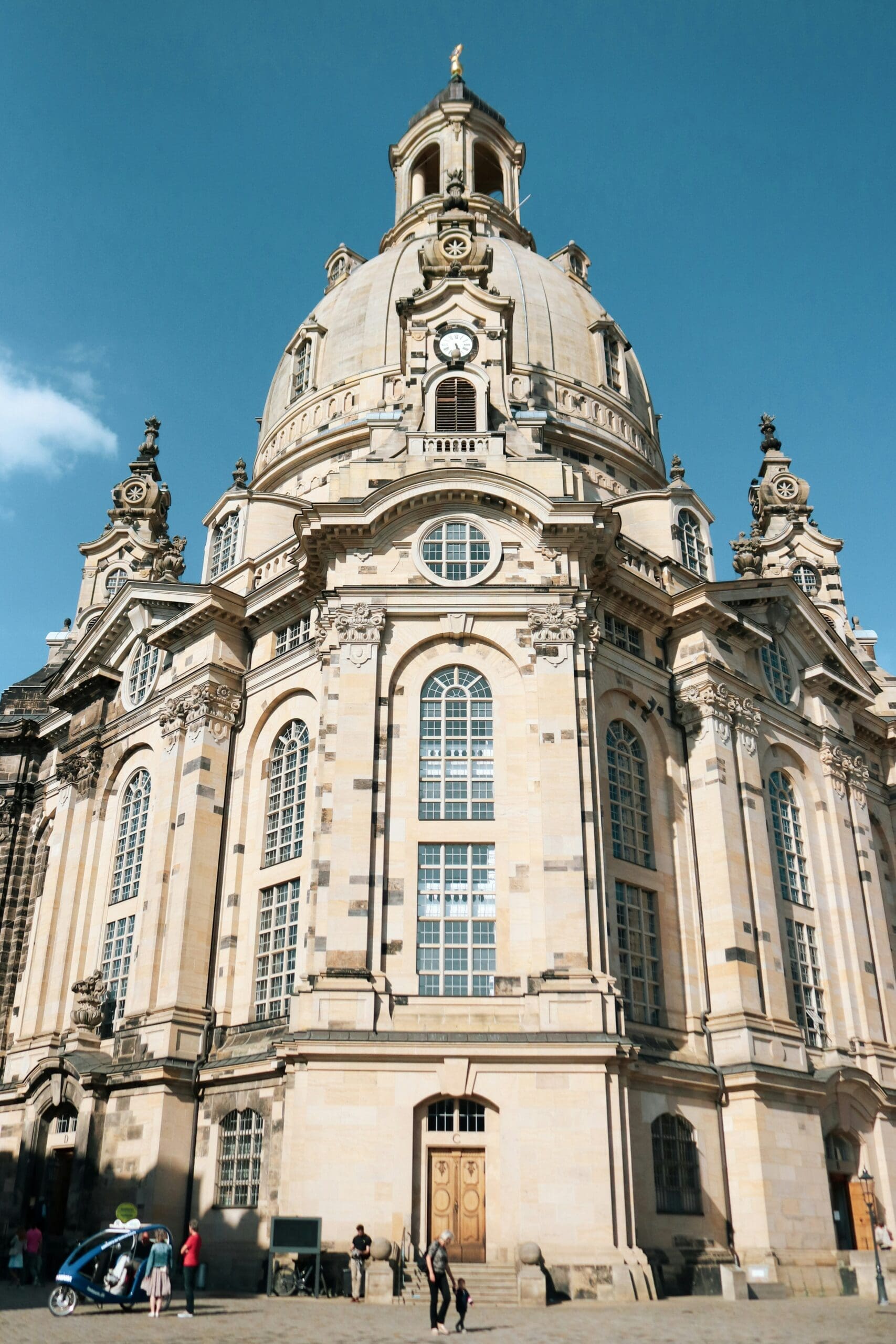
by Shannia Christanty (https://unsplash.com/@shanniacy)
The Neumarkt: Historic Square and Heart of Dresden
The Neumarkt is a central square in Dresden, closely connected to the city's history. It surrounds the Frauenkirche and is an important meeting point for locals and visitors. Its rich history reflects Dresden's development and makes it a living history book.
Over time, the Neumarkt has developed into a significant urban center. The reconstruction of the area, especially after the destructions of World War II, has made the square a harmonious example of the integration of modernity and tradition. Each building on the Neumarkt tells its own story and contributes to Dresden's unique flair.
Today, Neumarkt is not just a place of history, but also a popular venue. Markets, festivals, and cultural events regularly take place here. These activities make Neumarkt a vibrant heart of the city, captivating both locals and tourists.
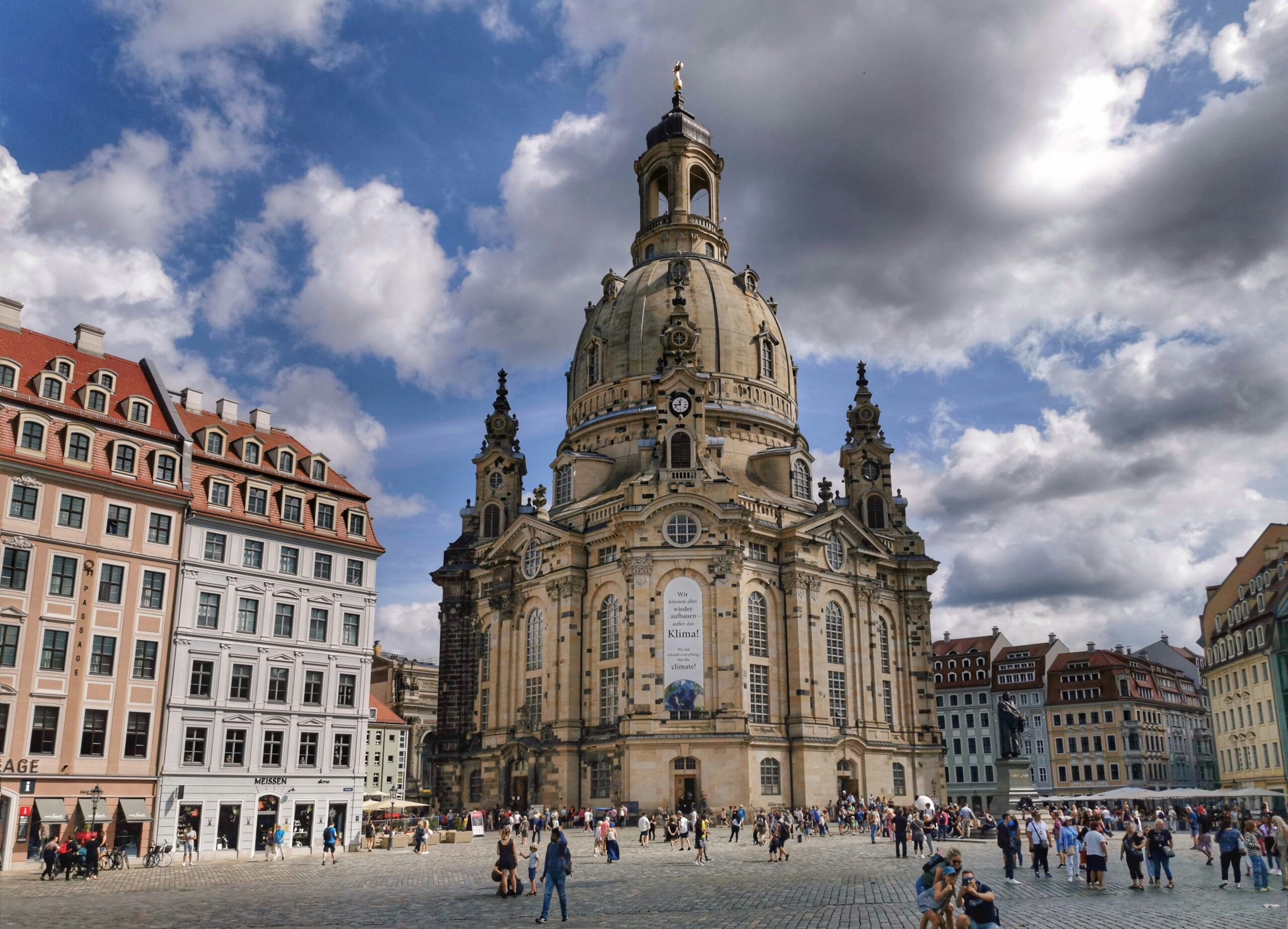
by André Beer (https://unsplash.com/@geoworld)
Practical Tips for Visitors to the Frauenkirche Dresden
A visit to the Frauenkirche at Neumarkt in Dresden is an unforgettable experience. To make your stay as enjoyable as possible, you should consider some practical tips. These pointers will help you get the most out of your visit.
The church is open year-round, but visiting hours vary according to the service schedule. It's best to plan your visit in advance to avoid long wait times. Increased visitor numbers may occur, especially on holidays or during events.
It's worth coming early in the day to enjoy the tranquility and peace of the church. The view from the dome is also particularly beautiful and offers an impressive panorama of the city. Here are a few practical tips for your visit:
- Admission is free, donations are welcome.
- Guided tours offer in-depth insights into history.
- Photography is allowed, but please no flash.
- Reservations for special events are recommended.
In addition to visiting the Frauenkirche itself, the surrounding Neumarkt offers many other sights, cafes, and shops that are worth visiting. Take the opportunity to explore the area and soak up Dresden's unique atmosphere.
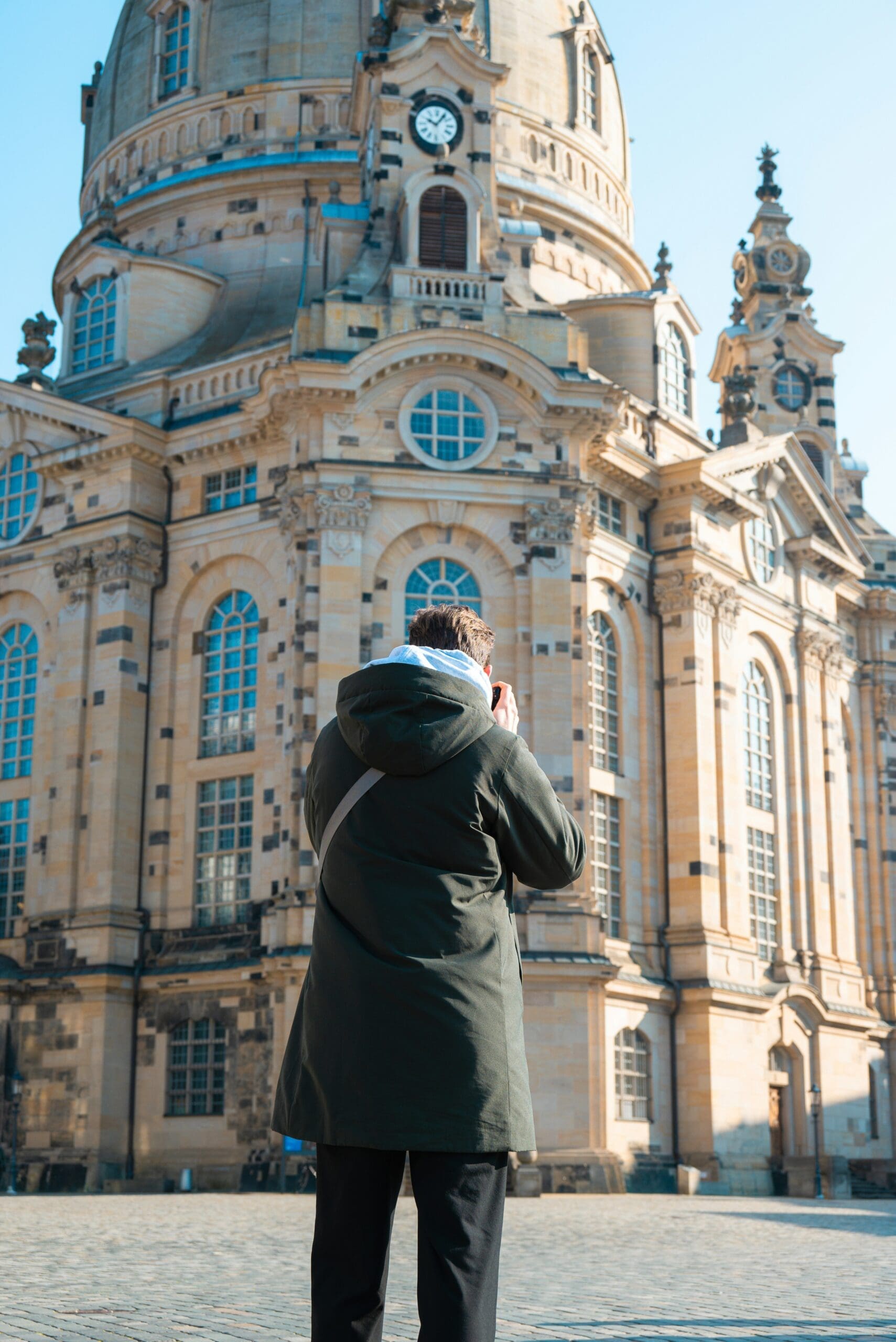
by Pascal Bullan (https://unsplash.com/@jetztabertempo)
Conclusion: The Frauenkirche as a Symbol for Dresden and Europe
The Frauenkirche at Neumarkt in Dresden is more than just an architectural masterpiece. It stands symbolically for the power of reconciliation and the tireless will to rebuild. After years of destruction, it now shines again in its baroque splendor.
For Dresden, the Frauenkirche is a beacon of new beginnings. It attracts visitors from all over the world and is a reminder of the city's rich culture and eventful history. The church uniquely combines tradition and modernity and is a place of inner peace and reflection.
At the European level, the Frauenkirche embodies the idea of unity and hope. It demonstrates how international cooperation can achieve impressive results. The Frauenkirche is a significant landmark with a message of hope and cohesion for the future.