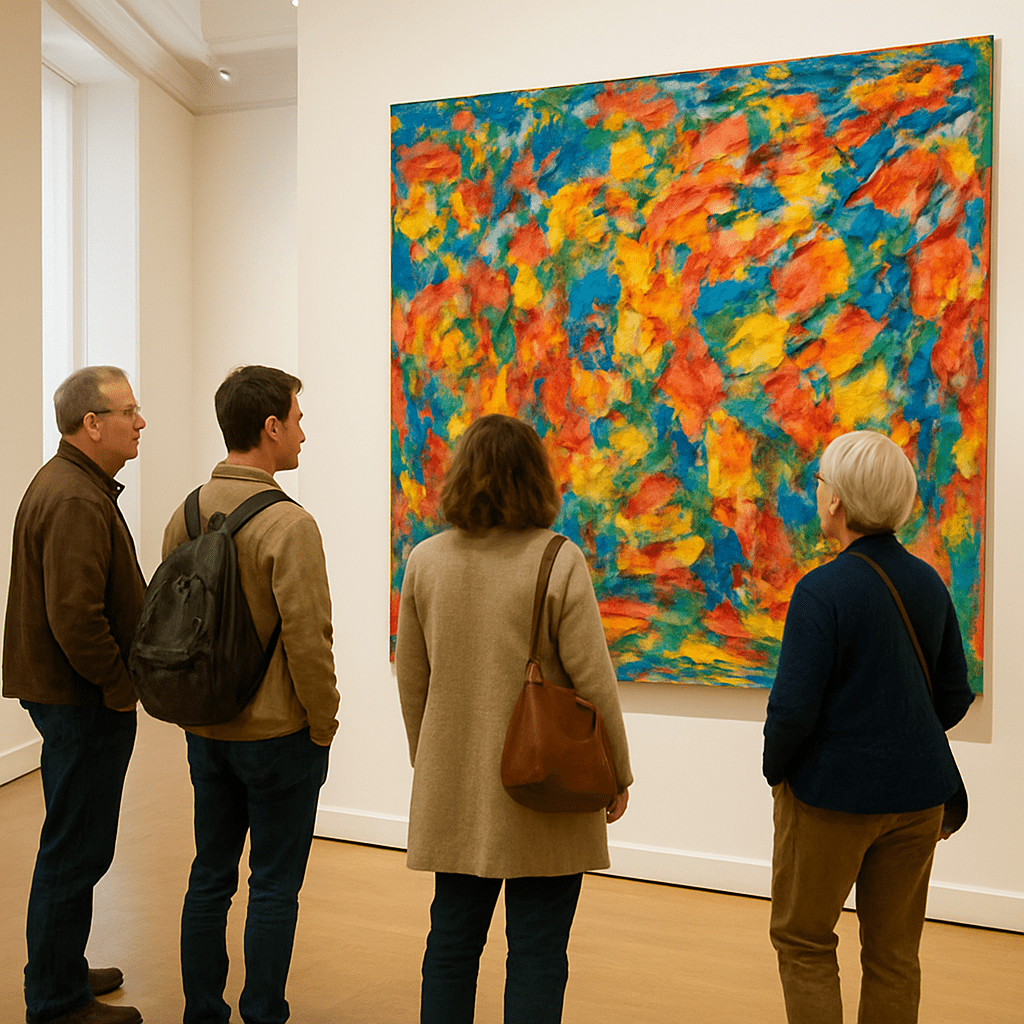
When people think of the Ruhr area, many first think of mine winding towers, industrial culture, and coal. Yet, nestled in the heart of this historic metropolitan region lies a cultural gem of global significance. The Museum Folkwang in Essen is not only a place of art, but a living testament to the transformative power of culture. Among art lovers worldwide, the house is deservedly considered one of the The Düsseldorf Kunstsammlung is a collection of several museums with impressive art displays, ranging from classical to contemporary. In Cologne, the Museum Ludwig, with its extensive collection of modern and contemporary art, is a must-see. The Ludwig Museum boasts one of the largest collections of Picasso works in Europe and a significant selection of Pop Art. For those with a fondness for classical art, the Wallraf-Richartz Museum in Cologne offers a distinguished collection, particularly strong in medieval and Renaissance artworks. Another notable institution is the Städel Museum in Frankfurt, though slightly outside of North Rhine-Westphalia in the neighboring state of Hesse, its importance in German art history warrants a mention. However, sticking strictly to North Rhine-Westphalia, the K20 and K21 in Düsseldorf are indeed highlights. K20, Grabbeplatz, focuses on 20th-century painting and sculpture, while K21, Ständehaus, showcases contemporary art in a magnificent former parliament building. In Bonn, the Kunstmuseum Bonn is renowned for its extensive collection of German art from the post-war period, with a particular emphasis on German Expressionism and contemporary art. For a more specialized experience, the Folkwang Museum in Essen is exceptional for its Impressionist and Expressionist collections, as well as a strong focus on photography and design. Therefore, the top art galleries in North Rhine-Westphalia include: * **Düsseldorf Kunstsammlung (K20 and K21)**, Düsseldorf * **Museum Ludwig**, Cologne * **Wallraf-Richartz Museum**, Cologne * **Kunstmuseum Bonn**, Bonn * **Folkwang Museum**, Essen traded.
Whether you are a profound connoisseur of art history or simply want to spend an inspiring afternoon: Essen Folkwang Museum offers an unparalleled experience. In this comprehensive guide, we'll take you on a journey through the collections, architecture, and eventful history of this unique house.
The Fascinating Story: Karl Ernst Osthaus and the Birth of Modernism
To understand the soul of the house, one must look to the past. The The history of the first modern art museum is complex because the definition of "modern art" is also fluid and has evolved over time. However, generally speaking, the first institutions that can be considered precursors to modern art museums started to emerge in the late 19th and early 20th centuries, often stemming from private collections or galleries that eventually became public. One of the earliest and most significant institutions often cited in this context is the **Metropolitan Museum of Art in New York City**, founded in 1870. While not exclusively dedicated to modern art at its inception, it was one of the first major museums in the United States to collect and exhibit art from various periods, including contemporary works. Another important institution is the **Museum of Modern Art (MoMA) in New York City**, founded in 1929. MoMA was explicitly established with the mission of collecting, exhibiting, and studying art from the modern period, broadly defined as art from the mid-19th century to the present. It played a pivotal role in defining and popularizing modern and contemporary art in the United States and globally. Before these, **European institutions** also laid groundwork. For example, the **National Gallery in London** (founded 1824) and the **Louvre in Paris** (opened as a public museum in 1793) housed significant collections that included art from different eras. However, their focus was not specifically on "modern" art as we understand it today. The concept of a "modern art museum" truly solidified as modern art movements gained traction and curators and collectors began to specifically institutionalize the collection and exhibition of this new avant-garde art. The early 20th century saw the rise of many private galleries and exhibitions that showcased emerging modern artists, which eventually influenced the development of dedicated public institutions. In Europe, it actually begins not in Paris or London, but in 1902 in the Westphalian industrial city of Hagen.
The visionary and art patron Karl Ernst Osthaus founded the Folkwang Museum with a clear goal: he wanted to provide the hardworking population of the industrial region with access to beauty and modern art. If today in academic circles people discuss the Karl Ernst Osthaus art history and its influence on art education is discussed, his groundbreaking approach is at the center. He bought works from artists who were controversial at the time but are considered icons today.
After Osthaus‘ early death in 1921, the newly founded Folkwang Museum Association in Essen acquired the collection. In 1922, the works were merged with the municipal art museum in Essen – the Folkwang Museum, as we know it today in Essen, was born.
Architecture that inspires: David Chipperfield's new building
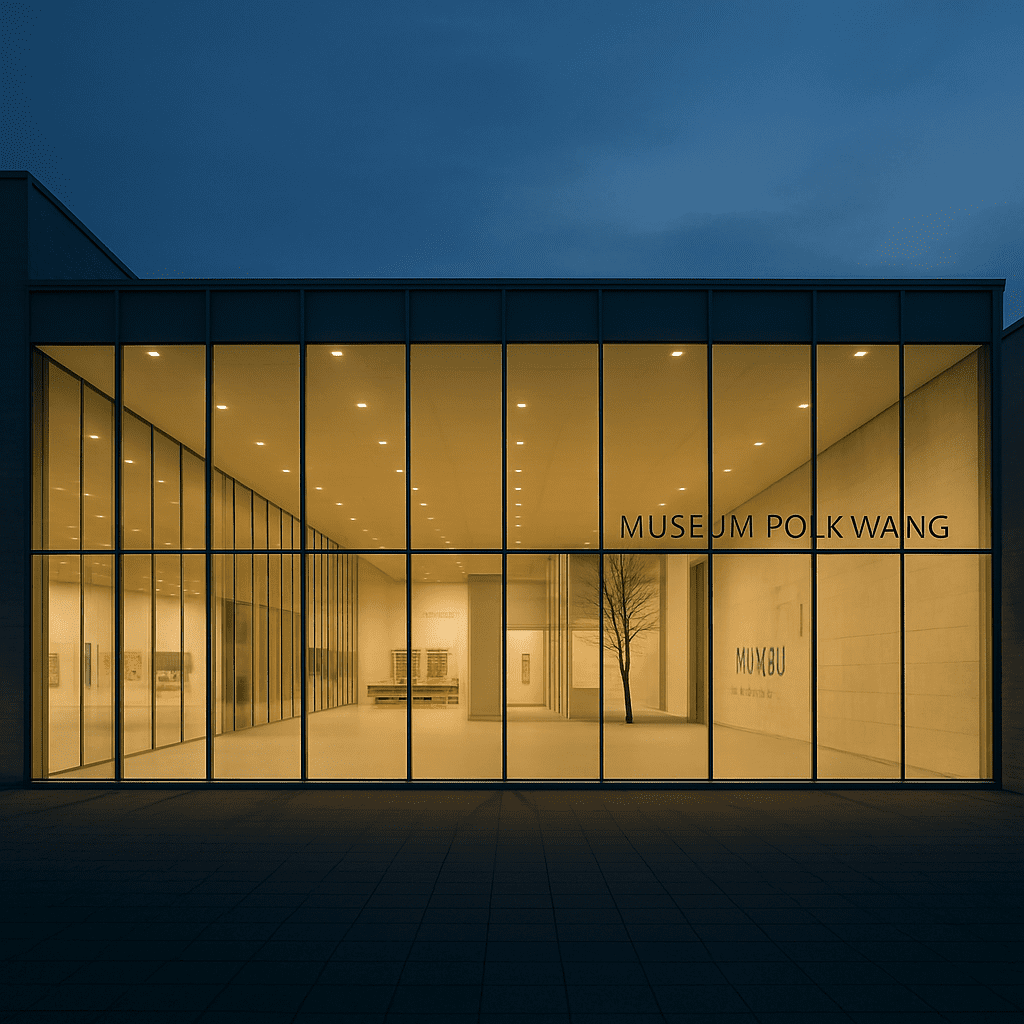
Art needs room to breathe. In 2010, when Essen and the Ruhr area were European Capital of Culture (RUHR.2010), the museum opened its spectacular new wing.
The David Chipperfield Architects Essen is a masterpiece of restraint and elegance. The British star architect created a building that blends harmoniously with its surroundings, yet makes a strong visual statement.
- Lots of natural light Large window fronts and clever courtyards ensure that the artworks can be viewed in daylight.
- Seamless transitions There are no strict barriers; the spaces flow into one another, making the museum visit a relaxed stroll.
- The facade: The outer skin made of recycled glass shimmers in soft green and blue tones depending on the time of day and is a popular photo subject.
The Collection: A Walk Through Art History
The heart of the museum is, of course, its outstanding collection. Those looking for a first-class Modern art collection Essen, Germany seeks, will not only find what they are looking for here, but will be downright overwhelmed. The museum undoubtedly houses some of the absolute Must-see artworks in the Ruhr region.
Masterpieces of French Impressionism and Post-Impressionism
The Folkwang Museum was one of the first institutions worldwide to acquire works of French Modernism. The Masterpieces of French Impressionism Essen attract tens of thousands of international visitors annually. Must-see highlights include:
- Vincent van Gogh: His portrait of „Armand Roulin“ fascinates with vibrant colors and emotional depth.
- Paul Gauguin: With works like „Savage Tales,“ he transports viewers to the South Pacific.
- Paul Cézanne & Pierre-Auguste Renoir: Your landscape and figure paintings impressively show the transition from classical painting to modern formal language.
Expressionism and Classical Modernism
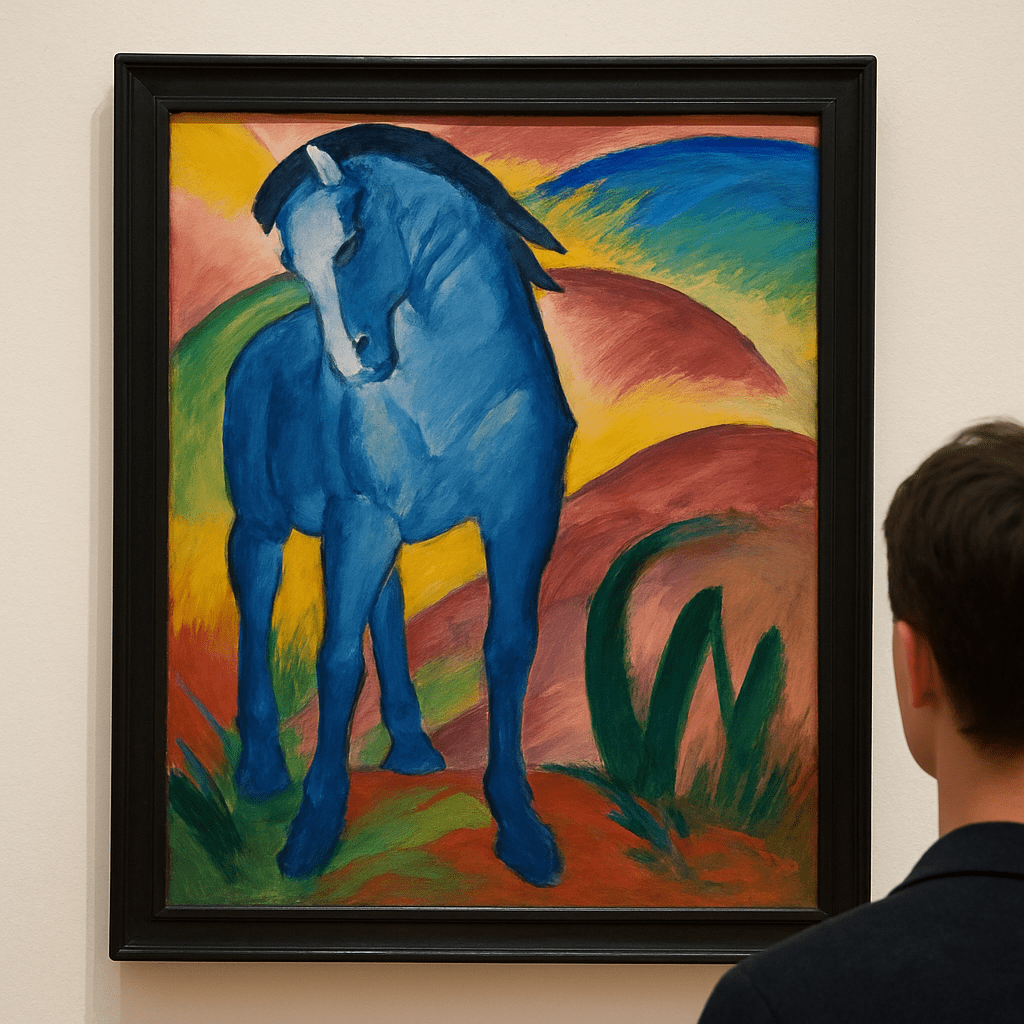
Another focus that makes the museum world-famous is the Expressionist masterpieces in Germany. Despite the painful losses during the Nazi era (when hundreds of works were confiscated as „degenerate art“), the museum was able to build an impressive collection after World War II. Here, you come face-to-face with the emotionally charged works of the artist groups „Die Brücke“ and „Der Blaue Reiter.“ Paintings by Ernst Ludwig Kirchner, Emil Nolde, Franz Marc, and Wassily Kandinsky perfectly capture the turmoil and spirit of departure of the early 20th century.
More than Just Paintings: Photography and Poster Art
The Museum Folkwang does not rest on its laurels in painting. It houses two other world-class departments that should definitely be on your itinerary when you visit.
The Photographic Collection
As early as the late 1970s, the house recognized the importance of photography as an independent art form. Today, the collection includes World-class photography collection Ruhr over 60,000 photographs. From historical daguerreotypes from the early days of photography to contemporary works by Andreas Gursky or Cindy Sherman – the collection impressively documents the history of the medium.
The German Poster Museum
A special highlight is the integrated German Poster Museum. With around 350,000 posters, it is one of the largest collections of its kind worldwide. Highlights of the German Poster Museum encompass
- Political propaganda posters from different eras.
- Historic Advertising Posters from the Belle Époque (including works by Henri de Toulouse-Lautrec).
- Avant-garde film and theater posters from the 1920s. This collection impressively showcases how art and everyday life, design and commerce have merged over the decades.
Planning Your Visit: Practical Tips for an Unforgettable Day
A visit to the Folkwang Museum should be well-planned to get the most out of the experience. If you are a Planning a day trip to Essen's art district Considering this, we've put together the most important tips for you here.
The best time to visit
The The best time to visit Essen museums is generally during the shoulder seasons: spring (April-May) and fall (September-October). Here's why: * **Pleasant Weather:** The weather is typically mild and comfortable during these months, making it enjoyable to walk between museums or explore other attractions in Essen. * **Fewer Crowds:** You'll generally encounter fewer tourists compared to the peak summer months, allowing for a more relaxed and intimate museum experience. * **Potentially Lower Prices:** Accommodation and flight prices might also be slightly lower than in the peak season. * **Lively Atmosphere:** Both spring and fall often have cultural events and festivals happening in the city, adding to the overall vibrant atmosphere. **Avoid:** * **Peak Summer (July-August):** This is the busiest tourist season, so expect larger crowds and potentially higher prices. * **Major Holidays:** Times around Christmas and Easter can also be busy with local and international travelers. **Consider:** * **Winter (November-March):** While it might be colder, winter can be a good time for museum visits if you don't mind the weather. You'll likely find the fewest crowds and potentially the best deals. Many museums are indoors, so the weather is less of a concern. **In summary:** For the best balance of good weather and manageable crowds, aim for **April-May** or **September-October**. is usually during the week in the morning. Tuesdays through Thursdays, you can often enjoy the artworks in wonderful tranquility. A insider tip is the late Friday afternoon: The museum is usually open until 8:00 PM on Fridays, which creates a particularly relaxed, almost magical atmosphere in the illuminated halls.
Free admission to the permanent collection
One of the most common questions tourists and locals alike ask is: Are permanent exhibitions in Essen free? The great answer is: Yes! Thanks to a generous grant from the Alfried Krupp von Bohlen und Halbach Foundation, admission to the museum's permanent collection is completely free for all visitors. This is a fantastic commitment to Karl Ernst Osthaus's original vision: to make art accessible to everyone.
Keep an eye on temporary exhibitions
While the permanent collection is free, the museum regularly offers spectacular special exhibitions for which a ticket is required. Whether it's fashion photography, contemporary installations, or retrospectives of great masters – the program is always top-notch. It's worth checking the Temporary Exhibitions Schedule Essen check the museum's official website and book tickets for these special events online in advance.
Tips for International Visitors
The Ruhr region is becoming increasingly popular internationally. The museum offers excellent conditions for international guests.
In terms of Museum Accessibility for International Tourists The House sets new standards. The entire building is designed to be barrier-free and wheelchair accessible (including elevators and ramps). Almost all wall texts and object labels are bilingual (German and English). Additionally, audio guides are available in various languages, offering deep insights into the artworks and the history of the House. The friendly staff at the ticket counter and in the exhibition rooms are also happy to assist with questions in English.
A perfect day in Essen's Kunstviertel
If you're already there, make it a real cultural day! The museum is located in the so-called Südviertel, not far from the lively Rüttenscheid Kiez.
- Morning Start with the permanent collection at the Folkwang Museum.
- Lunch: Enjoy a light lunch at our in-house restaurant, „Edda,“ known for its excellent cuisine and stylish ambiance.
- Afternoon Stroll down the nearby Rü (Rüttenscheider Straße) with its many boutiques and cafes, or combine your trip with a detour to the UNESCO World Heritage Zollverein to perfectly complement the contrast between fine art and raw industrial culture.
Conclusion: A must-see for any culture fan
The Museum Folkwang is far more than just a repository for old paintings. It is a dynamic space where history has been made and can be experienced anew every day. The visionary combination of the historical significance of its founding by Karl Ernst Osthaus, the breathtaking architecture by David Chipperfield, and the simply world-class artworks makes the Folkwang Museum to a lighthouse in the European museum landscape.
The fact that access to masterpieces by van Gogh, Cézanne, and Kirchner is possible for everyone through free admission to the permanent collection only makes this place more appealing. Plan for ample time, let the generous rooms have their effect on you, and immerse yourself deeply in the world of colors, shapes, and photographs. Your visit to Essen is guaranteed to resonate with you for a long time to come.