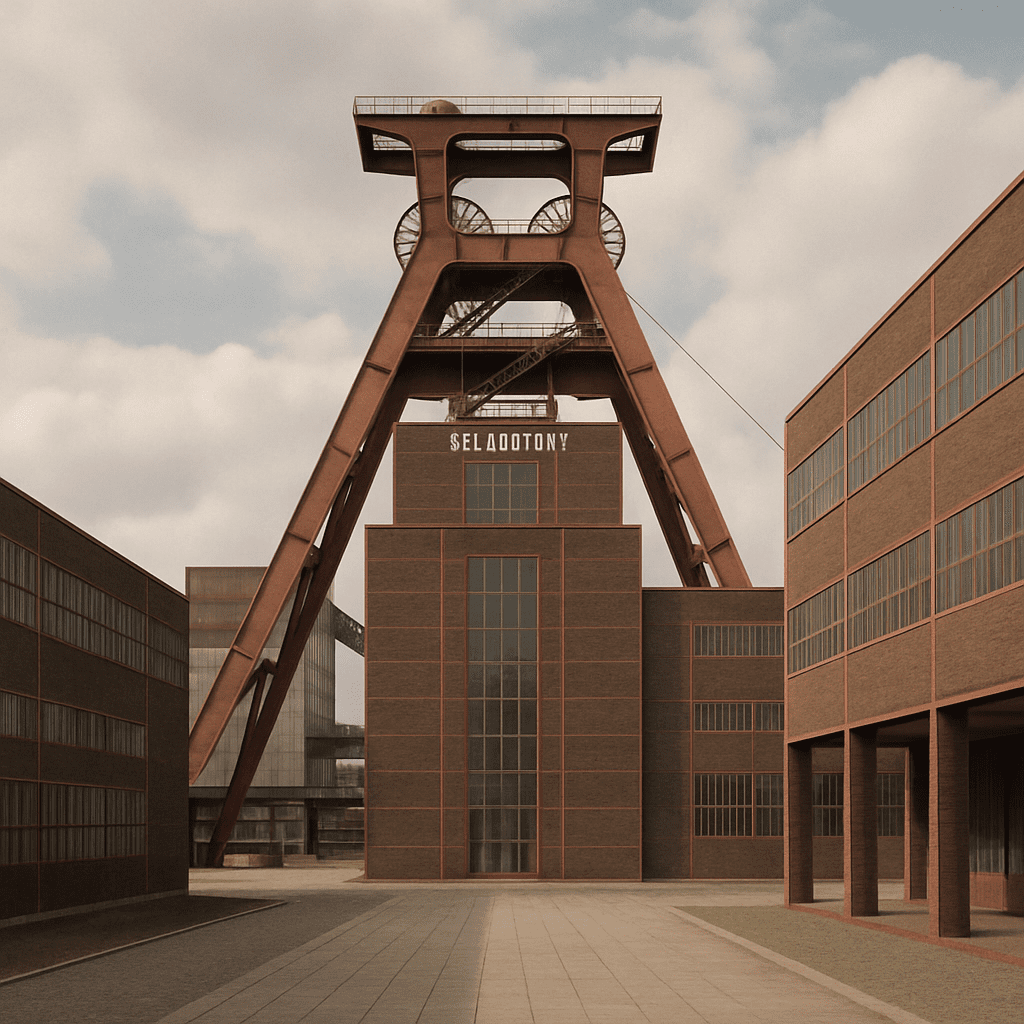
The Zollverein Coal Mine in Essen is an impressive example of Germany's industrial past. It was declared a UNESCO World Heritage Site in 2001 and attracts thousands of visitors annually. The complex is a symbol of structural change in the Ruhr area and an important industrial monument.
The Zollverein Coal Mine was once the largest and most productive hard coal mine in the world. Founded in 1847, it was shut down in 1986. Today, it is a vibrant testament to the Industrial Revolution and a place of cultural renewal.
The architecture of the Zollverein colliery is an outstanding example of the Bauhaus style. Designed by architects Fritz Schupp and Martin Kremmer, the complex impresses with its clear lines and functionality. The winding tower structure, which has become the colliery's landmark, is particularly striking.
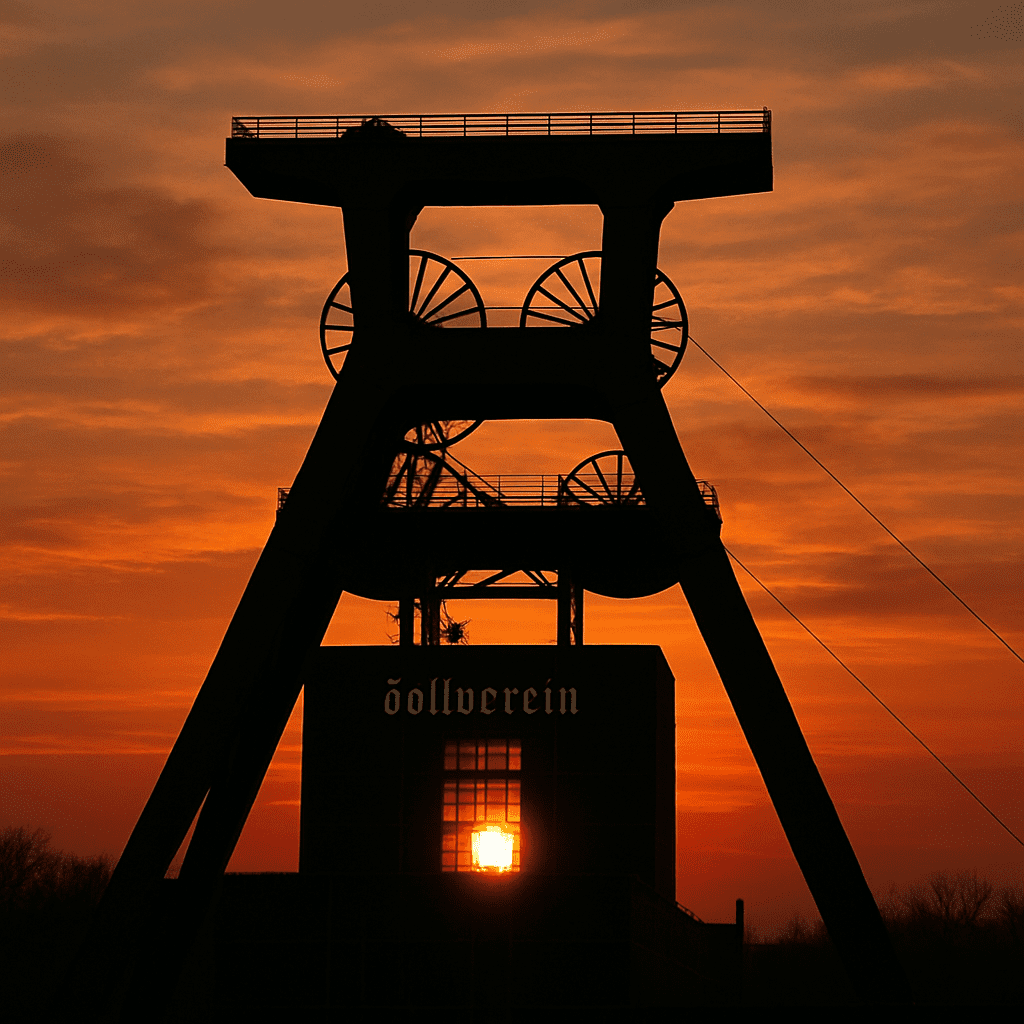
The Zollverein colliery site includes both the mine and the coking plant. The Zollverein coking plant was shut down in 1993 and is today an important part of the UNESCO World Heritage site. The entire complex covers an area of over 100 hectares and offers numerous recreational opportunities.
The Zollverein Coal Mine is a place for meeting and exchange. It is a popular tourist destination and an important economic factor for the region. The site is used for cultural events, exhibitions, and guided tours that offer insights into the history and operation of the coal mine.
The Ruhr Museum, located on the grounds of the Zollverein Coal Mine, is another highlight. It offers a comprehensive collection on the history of the Ruhr region and industrial culture. Visitors can trace the development of the region from the Industrial Revolution to the present day.
The Zollverein Coal Mine Industrial Complex is a model project for sustainable urban development and a place of innovation. It shows how post-industrial sites can be successfully redeveloped to integrate culture and economy. The complex is a living example of the connection between history and modernity.
Overall, Zollverein Coal Mine is a place of cultural diversity and dialogue. It is a symbol of the transformation from industry to culture and an important part of the Ruhr region's cultural identity. Here, visitors can experience the past and shape the future.
The History of the Zollverein Coal Mine
The history of the Zollverein mine begins in 1847, when it was founded by industrialist Franz Haniel. Its commissioning marked the rise of coal mining in the Ruhr area. Zollverein quickly developed into one of the most important hard coal mines worldwide.
The first shaft complex, Shaft 1, was opened in 1851 and laid the foundation for the colliery's success. In the following decades, the complex expanded continuously. Shaft 2 followed in 1852, and many further expansions characterized the development over the decades.
A crucial milestone was the opening of Shaft 12 in 1932. Thanks to its modern technology and impressive architecture, it was celebrated as the „most beautiful mine in the world.“ Shaft 12 gave Zollverein its distinctive structure and helped it gain international renown.
The plant survived both World Wars and adapted to changing economic conditions. After 1945, the colliery increased its production to up to 3.4 million tons of coal per year. This made it the largest colliery in Europe and contributed significantly to the energy supply.
However, in the 1960s, the decline of hard coal mining began. The economic conditions changed, and mining became increasingly unprofitable. In 1986, the mine was finally closed. But that was not the end of this impressive site.
Key phases in the history of the Zollverein colliery:
- 1847Founded by Franz Haniel
- 1851Opening of Shaft 1
- 1932Opening of Shaft 12 as an architectural masterpiece
- 1945-1960Flowering period with record production
- 1986Closure after over 130 years of operation
A significant turning point in the history of the Zollverein colliery was its designation as a UNESCO World Heritage Site in 2001. This recognition honored the industrial monument as an outstanding example of industrial culture. Since then, the site has served as a cultural and social center for the region.
Today, the history of the Zollverein colliery is not just a chronicle of coal mining, but also a narrative of change and renewal. The site is a living testament to the industrial past and a source of inspiration for the future. Here, it becomes clear how past glories and current innovations seamlessly interweave.
Architecture and Bauhaus Style
The architecture of the Zollverein Colliery is an impressive example of the functional Bauhaus style. It embodies the design movement's core principles of beauty and practicality combined. Designed by architects Fritz Schupp and Martin Kremmer, the architecture set new standards for industrial design.
A prominent feature of the colliery is Shaft 12, which was completed in 1932. Its clear, minimalist design stands in contrast to the complex functionalities of the plant. The engineers created a masterpiece of steel and concrete here, harmonizing functionality and aesthetic appeal.
The buildings exhibit a strict, geometric design language. The symmetrical structure and linear forms reflect the efficiency that was essential for mining. Light and space played a central role, which is particularly evident in the generous window areas.
When developing the Zollverein colliery, Schupp and Kremmer placed great importance on details. For example, they used red bricks as cladding for the massive concrete structures. These materials blend harmoniously with the surroundings and lend the buildings warmth and character.
Not only the buildings, but also the winding towers are architectural masterpieces. The winding tower of Shaft 12, with its clean lines and functional structure, is a landmark of the colliery. It reflects the innovative spirit and industrial progress of that era.
This architectural language influences modern design approaches to this day. The simplicity and functionality of the Bauhaus style offer inspiration for contemporary architects and designers. Therefore, Zollverein Coal Mine Industrial Complex is not only an industrial monument but also a living lesson in architectural history.
The combination of functionality and aesthetics gives the Zollverein Coal Mine its timeless appeal. This is precisely why the complex still has a magnetic pull today. Visitors from all over the world are fascinated by its clear design language and innovative architecture.
The architectural heritage of the Zollverein Coal Mine shows how important thoughtful design can be for industrial facilities. Its structure and beauty inspire not only architects but also artists, designers, and historians. These influences make the mine a living part of the Bauhaus tradition.
From Industrial Site to UNESCO World Heritage Site
The development of the Zollverein colliery from an active industrial site to a UNESCO World Heritage site is a remarkable story. Once the largest and most advanced hard coal mine in the world, Zollverein played a crucial role in the economic development of the Ruhr region following its establishment in 1847. Its significance grew over decades, leaving a lasting impact on the region.
After the mine was shut down in 1986, the question of the future of the vast site arose. The facility was a symbol of the industrial revolution and offered enormous potential for new uses. One of the biggest challenges was to preserve the site for future generations. There was an opportunity to secure the cultural and historical heritage as a venue for the public. The possibility of creating an international heritage of industrial progress was within reach.
In 2001, the Zollverein Coal Mine was finally recognized as a UNESCO World Heritage Site. This recognition not only honored the architectural and historical significance of the site. Rather, it also highlighted the transformation from a purely industrial to a multifunctional cultural center. As a UNESCO World Heritage Site, the Zollverein Coal Mine serves as a model for successful monument preservation and innovative repurposing of industrial sites.

by Mike Houser (https://unsplash.com/@mike_romeo_hotel)
Today, the mine attracts thousands of visitors from all over the world annually who want to experience its historic ambiance. As a UNESCO World Heritage site, Zollverein colliery not only serves as a testament to the past but also as a vibrant meeting place. It combines history and the present, offering a platform for culture, education, and innovation. This transformation symbolizes the successful structural change of the Ruhr region from an industrially shaped area to a pulsating cultural center.
Today's Landscape: Culture, Leisure, and Innovation
Today, the Zollverein Colliery site is a vibrant place that impressively unites culture, leisure, and innovation. After the industrial facilities were shut down, the colliery developed into a multifunctional center. Its transformation from an industrial monument into a creative and cultural hub is remarkable.
Numerous cultural events take place on the grounds. These include concerts, theater performances, and exhibitions that attract visitors from the region and around the world. Such events offer a platform for artists and creatives to present their works to a broad audience. These cultural activities contribute to the vibrant atmosphere on the grounds and make the Zollverein Colliery a pulsating cultural center.
In addition to cultural events, the grounds offer recreational opportunities for all ages. Bicycle paths winding through the area invite sporting activities. Creative art installations enrich the experience and provide impressive photo opportunities. The relaxed atmosphere, combined with the industrial backdrop, creates a unique place for recreation and inspiration.
A significant player on the site is the NRW Design Center, which establishes the location as a center of innovation. It fosters the exchange of ideas and the development of new concepts in the field of design. Through the creative use of the premises, the mine's heritage as a place of innovation is continued and carried into the future.
To illustrate the diversity and offerings of the site, here is an overview of the main attractions:
- Cultural EventsConcerts, Theater, Exhibitions
- Leisure activitiesCycling, recreation, art installations
- Education and InnovationDesign Center NRW Program
- Ruhr MuseumInsight into mining history
- Creative Use of SpaceArt and Creative Workshops
Overall, the Zollverein Coal Mine Industrial Complex is more than just an industrial monument. It is a place where history and innovation harmoniously blend. The mine offers an impressive backdrop for cultural and creative activities and shows how a former industrial site can be successfully transformed into a vibrant meeting place. This synergy of past and present makes the Zollverein Coal Mine Industrial Complex a unique example of the transformation of culture and economy in the Ruhr area.
Museums and exhibitions at Zollverein
The Zollverein colliery houses a variety of museums and exhibitions that bring to life the industrial and cultural history of the Ruhr region. These institutions offer deep insights into the fascinating past and cultural evolution of the region. Visitors have the opportunity to explore both permanent and temporary exhibitions.
The Ruhr Museum, housed in the former coal preparation plant, is one of the site's main museums. It offers a wide range of exhibits showcasing the past and present of the Ruhr region. From the formation of coal deposits and the Industrial Revolution to contemporary topics, the museum highlights the history of mining and its impact on society.
Next to the Ruhr Museum is the Red Dot Design Museum in the former boiler house is another highlight. It displays award-winning design from all over the world and attracts design enthusiasts. The exhibition conveys the importance of innovative and functional design in everyday life. The outstanding architecture and the historic atmosphere of the mine are particularly highlighted.
For visitors interested in industrial history and technology, the DASA Mining Exhibition Exciting insights. This exhibition presents the world of work in mining and the technical developments over the years. It shows the challenges and dangers that miners faced in the 19th and 20th centuries.
A brief overview of the main museums and exhibitions on the grounds:
- Ruhr MuseumHistory of the Ruhr Area and Mining
- Red Dot Design MuseumInnovative, award-winning design
- DASA Mining ExhibitionIndustrial History and Technology
- Temporary ExhibitionsTemporary Topics in Industrial and Cultural History
These museums and exhibitions promote an understanding of the regional history and cultural significance of the Zollverein Coal Mine. They offer a platform for education and inspiration, giving both locals and international visitors the opportunity to delve deep into the past and future of the Ruhr region. The diversity of exhibits and themes allows everyone to find a personal connection to the history of the Zollverein Coal Mine and its transformation.
Tours and experiences for visitors
The Zollverein Coal Mine Industrial Complex offers a variety of guided tours that provide visitors with deep insight into the history and architecture of the UNESCO World Heritage site. These tours are specifically designed to make the complexity of the former industrial complex tangible. Whether you are interested in technical precision, architectural sophistication, or the eventful history of the Ruhr region, there is a suitable offer for everyone.
Under expert guidance, visitors can explore the impressive winding towers and have the functionality of the facilities explained to them. Experts will lead tours through the impressive halls, explaining how coal mining worked and the daily challenges miners faced. These experiences bring the history of the Zollverein colliery to life and make it tangible for visitors of all ages.
In addition to the regular tours, there are theme-specific guided tours and special experiences:
- Architecture TourExploring the Bauhaus style and unique architecture.
- Factory tourIn-depth insights into the technical sophistication of mine operations.
- Night toursThe mine in romantic splendor of lights.
- Tours for childrenPlayful discovery tours for young visitors.
Additionally, visitors can participate in interactive experiences. Workshops and creative programs invite them to get involved and experience industrial history firsthand. Audioguides offer a flexible alternative for those who wish to explore the site individually. With its diverse offerings, the Zollverein Coal Mine ensures an experience for every interest and enriches the visit with profound knowledge and inspiring impressions.
Zollverein as a Symbol of Structural Change in the Ruhr Area
The Zollverein Coal Mine is an impressive example of the profound transformation the Ruhr region has undergone in recent decades. Once the heart of the German coal and steel industry, the region has evolved into a center for culture, education, and services. The successful repurposing of the Zollverein Coal Mine from an industrial wasteland into a vibrant cultural site reflects this transformation process and shows how new perspectives can emerge from the ashes of the past.
The facility embodies the metamorphosis from an industrial center to a post-industrial society. With the closure of the coal mine in 1986, a chapter of heavy industry ended, and the entire Ruhr region faced significant challenges. Jobs were lost, and many people had to reorient themselves. However, precisely this challenge also gave rise to new ideas and projects that would permanently shape the region's landscape.
Today, Zollverein stands as a symbol of renewal and adaptation, a model for other industrial regions worldwide. Its transformation into a UNESCO World Heritage site and the establishment of cultural and creative initiatives demonstrate how a region can redefine its economic foundations. Beyond the economic dimension, the structural change also has a cultural level: the Zollverein mine is not only a memorial site but also a living testament to the ability to transform and create anew.
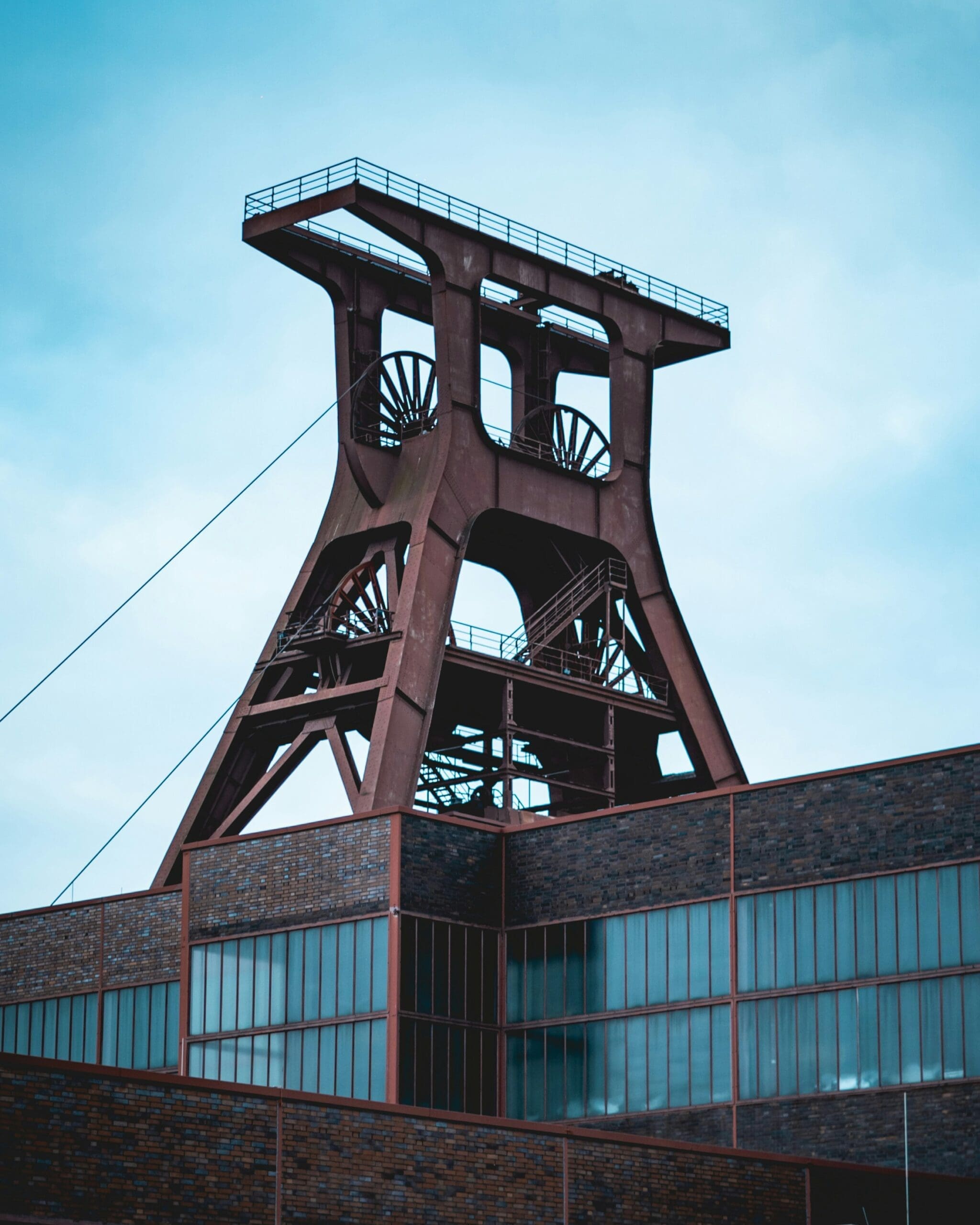
by Kim Becker (https://unsplash.com/@ksbphotography)
Sustainability, Education, and Future Projects
The Zollverein Coal Mine is more than a museum of itself; it is a living stage for sustainability and innovation. The transformation of the site into a center for education and culture is a prime example of sustainable urban development. Initiatives to use renewable energy sources and the promotion of a green environment underscore the coal mine's commitment to ecological thinking.
With its focus on education, Zollverein Colliery offers numerous programs that convey the history and significance of the site. Students and young professionals can find learning opportunities here that combine theory with practical experience. Special workshops and educational projects allow for an in-depth exploration of topics such as industrial history, architecture, and environmental protection.
The future of Zollverein Colliery is dynamic and geared towards growth. Innovative projects play a central role in keeping the site relevant and future-proof. Planned expansions and interdisciplinary initiatives foster the exchange of ideas and cultures.
The following projects and programs support this orientation:
- Establishment of a Center for Sustainable Urban Development
- Development of exhibitions on renewable energies
- Workshops on the creative use of industrial wastelands
- Research programs in cooperation with universities
- Promotion of green technology start-ups
Through these programs, the Zollverein Coal Mine remains not only a symbol of past times but also a pioneer in shaping a sustainable future. The commitment to education and innovation ensures the site's relevance and its place as a flagship project in the Ruhr region.
Practical Information for Visitors
A visit to the Zollverein Colliery offers not only insights into the past but also numerous leisure opportunities. The site is easily accessible via Essen's public transport. Sufficient parking is available for cars and bicycles for a stress-free journey.
On the extensive grounds, visitors will find various facilities that make their stay pleasant. From cafes to souvenir shops, there are numerous options for a short break or a memento. Entry to the outdoor areas is free, while special guided tours and museums have admission fees.
To best plan your visit, it's helpful to check the opening hours and special events in advance. Guided tours are especially recommended as they offer deep insights into the history and architecture of the mine. The organizers place particular emphasis on accessibility, so that people with mobility limitations can also explore the site.
Here's an overview of the most important information for a successful visit:
- Address: Gelsenkirchener Str. 181, 45309 Essen
- Operating hoursDaily from 10:00 AM to 6:00 PM
- Admission PricesVarying depending on the exhibition and guided tour
- AccessibilityBus, train, and car; parking available
- ToursRegularly; registration recommended
- GastronomyLocal cafes and restaurants
- SouvenirsShop with regional products and souvenirs
- AccessibilityLargely accessible, support facilities available
With its combination of historical insights and modern amenities, the Zollverein Coal Mine offers a comprehensive experience for all age groups. It remains a place that captivates not only with its history but also with its diversity and accessibility.
Conclusion: Zollverein Coal Mine – A Place Where History and Modernity Meet
The Zollverein Colliery represents a unique symbiosis between history and contemporary culture. As a UNESCO World Heritage site, it symbolizes the successful transformation from an industrial stronghold to a cultural center. This transformation process makes it a model for similar initiatives worldwide.
Through the clever repurposing of the historic facilities, it is today a vibrant meeting point for locals and visitors alike. The combination of industrial heritage with modern art and education shows how important the preservation of the past is for shaping the future. Zeche Zollverein remains a living testament to the innovative power that continues to be valued in modern structures.
This blend of old and new continues to inspire artists, researchers, and tourists who are drawn to the mine’s charm. It is not only a place of remembrance, but also of exchange and renewal. As a cultural landmark and recreational destination, it breathes new life into the Ruhr region, putting it on the international map as a hub of industrial culture.