
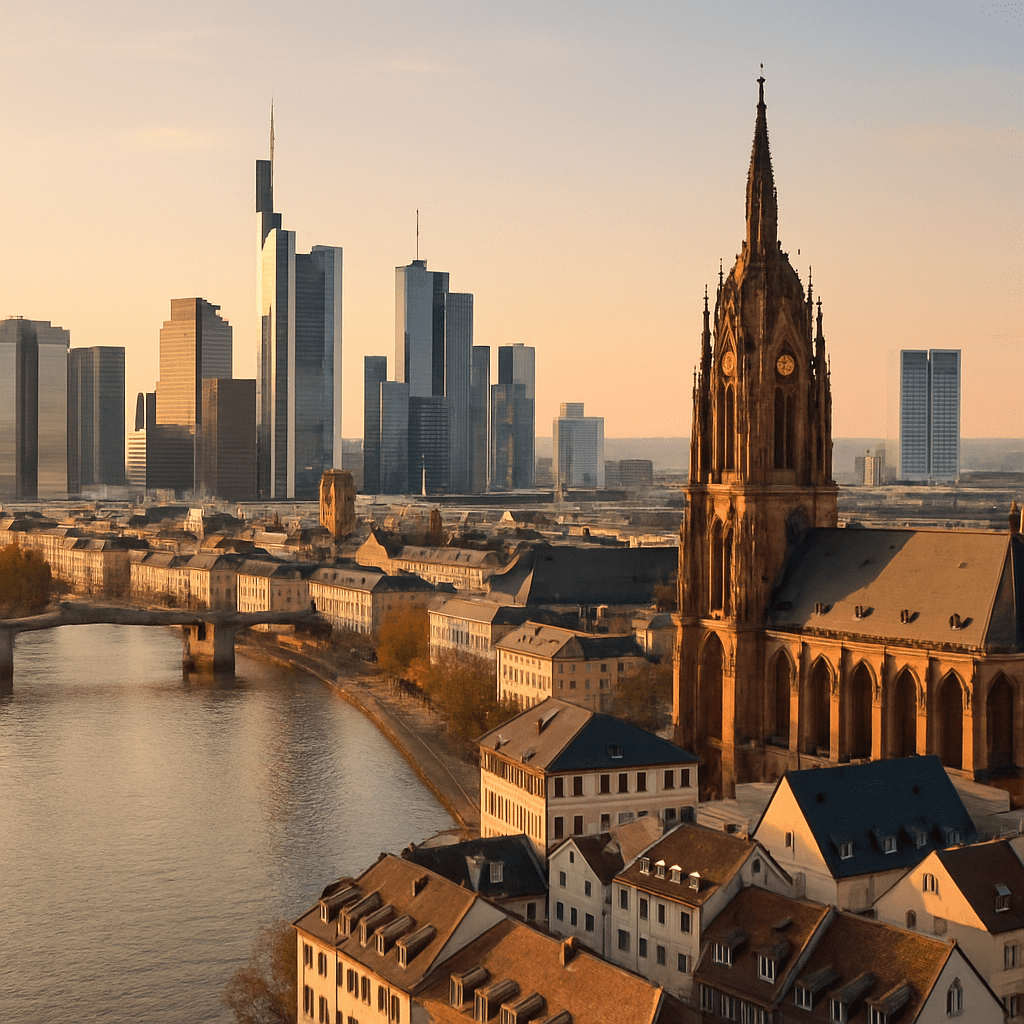
The Frankfurt Cathedral, also known as Imperial Cathedral of Saint Bartholomew, is an impressive landmark in the Frankfurt skyline. Its Gothic architecture attracts thousands of visitors annually. The cathedral is not only an architectural masterpiece but also a significant symbol of the city's history.
Built in the 14th and 15th centuries, the cathedral has a turbulent past. It served as the coronation church for Holy Roman Emperors. This historical significance makes it an important cultural heritage site of Germany.
The cathedral was heavily damaged during World War II. However, its reconstruction preserved its majestic presence. Today, it stands as a symbol of resilience and rebirth.
The interior of the cathedral is just as impressive. Works of art and relics bear witness to its rich history. Visitors can explore the crypt and experience the magnificent organ during concerts.
The Frankfurt Cathedral is over 600 years old. Its history is closely linked to the development of Frankfurt. It is a place of peace and contemplation in the bustling city.
The cathedral square is a central venue for events. It attracts people from all over the world. The Frankfurt Cathedral remains a living heritage and a symbol of the city's cultural diversity.
The Frankfurt Cathedral in the Skyline: Landmark and Symbol
The Frankfurt Cathedral is a defining element of the Frankfurt skyline. Its imposing silhouette is visible from various parts of the city. The cathedral rises majestically above the rooftops of the old town.
As a landmark, the cathedral symbolizes both the spiritual and cultural dimensions of Frankfurt. Visitors and locals identify with the image of the cathedral. It stands for the connection between tradition and modernity.
Among the most striking features of the cathedral are:
- The impressive height of 95 meters
- Gothic architecture with intricate details
- The central location in Frankfurt's Old Town
The cathedral functions not only as a religious center. It is also a meeting place for cultural and social events. Its presence contributes significantly to the city's identity.
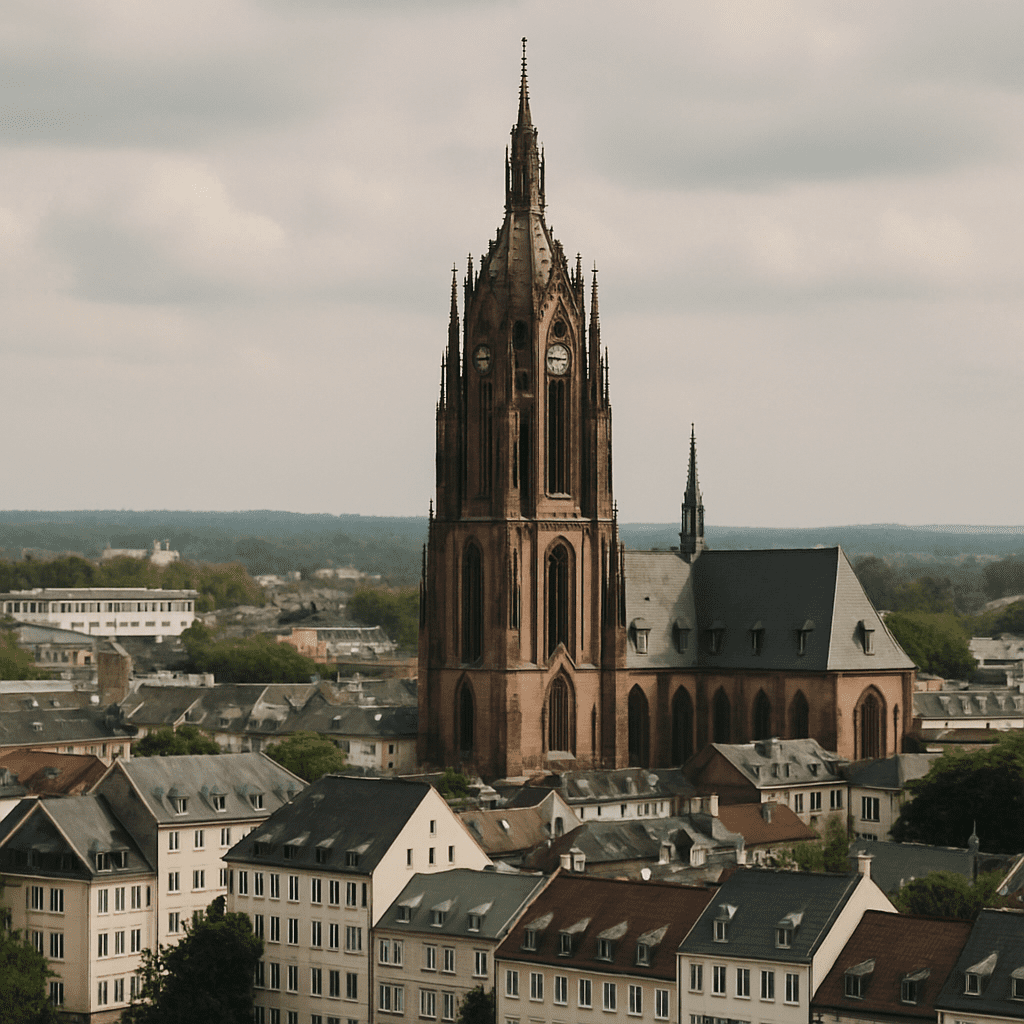
History of Frankfurt Cathedral: From its beginnings to the present day
The Frankfurt Cathedral, also known as St. Bartholomew's Cathedral, has a long and varied history. The cathedral, which was built between the 14th and 15th centuries, was a central place in the Holy Roman Empire. Coronations of the Roman-German emperors took place here.
During World War II, the cathedral suffered considerable damage. The bombings of 1944 in particular destroyed large parts of the structure. Reconstruction began immediately after the war to preserve its historical significance.
Over the centuries, the cathedral has been renovated several times. These renovations were necessary to mitigate the effects of time and weather. The cathedral was not only restored but also expanded.
Some important moments in the history of the cathedral include:
- Construction in the 14th/15th century
- Use as a coronation church
- Destruction in World War II
- Post-war reconstruction
- Current renovations and maintenance measures
The cathedral is more than just a building. It is a symbol of Frankfurt's resilience and reconstruction after times of destruction. Its history reflects the development of the city, which also experienced numerous ups and downs.
Today, the cathedral attracts tourists from all over the world, who come to admire its historical significance and architectural beauty. Visitors can explore the crypt and lose themselves in the atmosphere of this important structure.
The cathedral is not only a place of faith, but also a living museum of history and art. Its walls tell stories of power, destruction, reconstruction, and unwavering faith.
Architecture and Construction History: Gothic, Destruction, and Reconstruction
The Frankfurt Cathedral is a masterpiece of Gothic architecture. Its construction reflects the stylistic features of this era. Gothic elements, such as tall, pointed windows and an imposing tower, characterize its appearance.
The construction of the cathedral spanned several centuries. This resulted in a mix of different architectural influences. During the construction period, it was repeatedly adapted and expanded. Different stylistic elements were added over the years.
During World War II, the cathedral suffered heavily from Allied air raids. The damage was devastating, and the entire city was affected. Parts of the Gothic structure, including intricate stained glass windows, were irretrievably lost.
After the war, the focus was on reconstruction. Work began immediately to restore the original splendor. Architects and restorers worked hand in hand to reconstruct the lost beauty.
Key Features of the Architecture:
- Gothic spire
- Oriel window with tracery
- Nave and aisles
- Groined vault
- Original and new building materials
Today, the cathedral stands as a testament to preservation and redesign. Visitors can marvel at both original surviving elements and restored areas. Every detail tells a story of past and renewed times.
The cathedral remains a vibrant example of the rebirth of an architectural landmark. It stands not only for the power of history but also for the commitment to preserving cultural heritage.
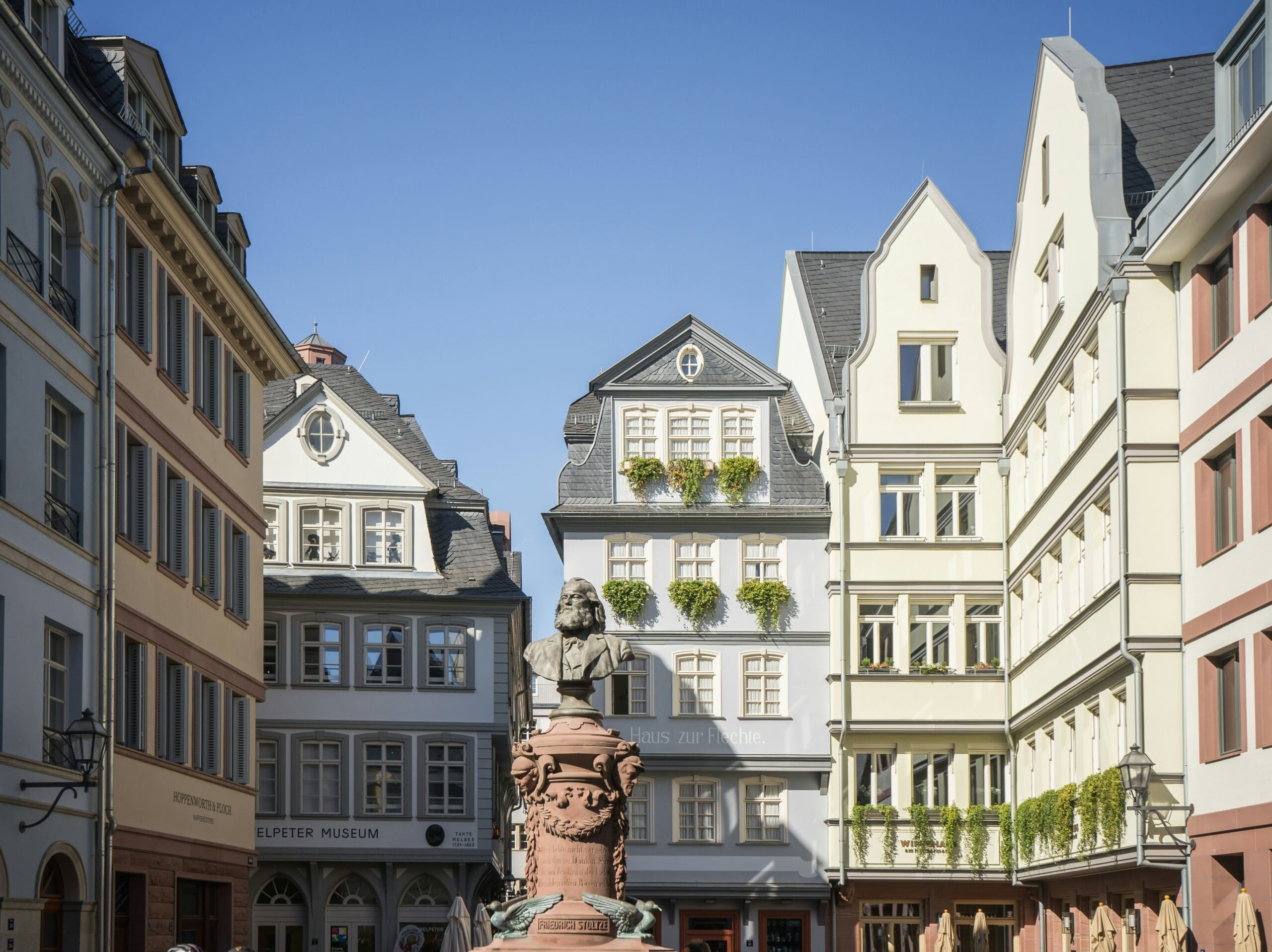
by Leonhard Niederwimmer
The architect of Frankfurt Cathedral: Who was responsible?
The exact identity of the architect of Frankfurt Cathedral remains unclear to this day. Since the construction took place over centuries, there were likely multiple construction managers and architects. Each contributed to the building with their own styles and techniques.
In the early days of the cathedral, the architectural style was strongly Gothic. The well-known Zimmermann family, including Madern Gerthener, was responsible for this, although precise documentation is lacking. In later phases, other unknown master builders may have contributed to its completion.
The cathedral is thus a collaborative effort of various generations of builders. Their combination of expertise and vision has created a unique architectural heritage. The Frankfurt Cathedral therefore remains not only a religious, but also a historical and artistic marvel.
Art, Relics, and Interior Design: A Look Inside
The Frankfurt Cathedral impresses not only with its facade but also with its impressive interior. Visitors are immediately captivated by the magnificent altars and the radiant stained-glass windows. These elements contribute to the overwhelming atmosphere of the cathedral.
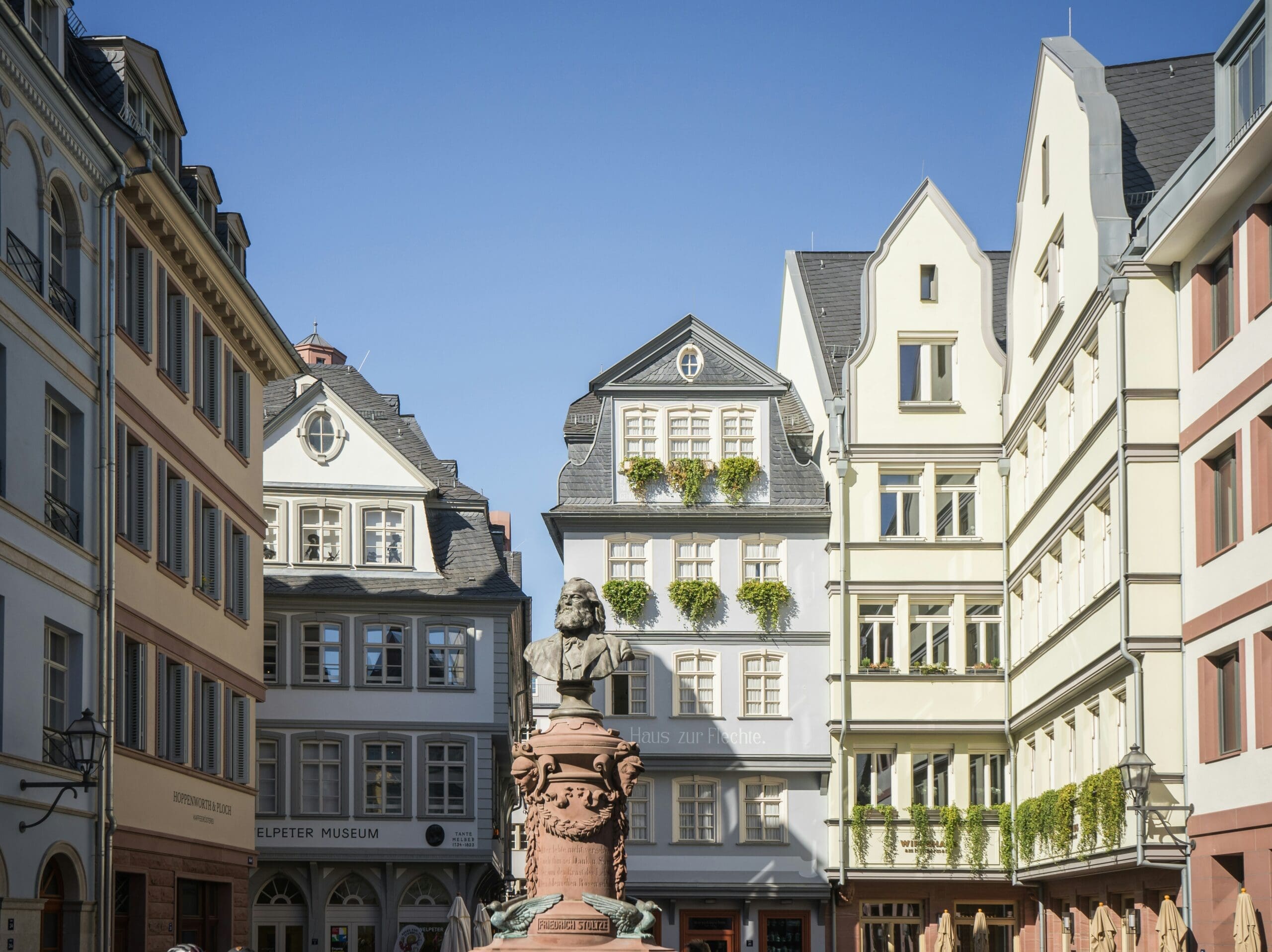
by Leonhard Niederwimmer
Inside the cathedral, you can find significant works of art and valuable relics. These include, in particular, a magnificent choir stall and intricate stonework that reflect the history and spirituality of the place. These artworks are significant not only for their aesthetic quality but also for their historical importance.
Among the collections in the cathedral are:
- Altars and religious paintings
- Historical Sculptures and Statues
- Artfully designed stained glass windows
The cathedral's relics attract numerous pilgrims seeking solace and inspiration. Particularly noteworthy is the arm relic of Saint Bartholomew. It symbolizes the religious richness that the cathedral has preserved over centuries.
Thanks to these treasures, Frankfurt Cathedral remains a vibrant place of art and history. These elements attract not only believers, but also art lovers and historians.
The Frankfurt Cathedral as the Coronation Church and Political Center
The Frankfurt Cathedral played a central role in the history of the Holy Roman Empire. Between the 14th and 18th centuries, it was used as the coronation church for the Holy Roman Emperors. This function gave the cathedral immense political significance and made it a symbol of power and rule.
The coronations took place amidst magnificent ceremonies that attracted visitors from all over Europe. These events strengthened Frankfurt's position as an important political center. The cathedral was therefore not only a religious but also a political landmark.
In addition to coronations, significant imperial diets were also held in the cathedral. These meetings underscored the cathedral's role as a place for decision-making and political discussion. Thus, Frankfurt Cathedral remained a central player in Germany's political landscape throughout the centuries.
The Cathedral in Comparison: Frankfurt Cathedral and Mainz Cathedral
The Frankfurt Cathedral and the Mainz Cathedral are two significant churches in the heart of Germany. Both cathedrals have a rich history and shape the respective skylines of their cities. Nevertheless, they differ in architectural style and historical significance.
Differences between the two domains:
- ArchitectureThe Frankfurt Cathedral displays Gothic features, while the Mainz Cathedral has Romanesque elements.
- HistoryThe Mainz Cathedral served as the seat of the Mainz Archbishops, unlike the political center of the Frankfurt Cathedral.
- RenovationsBoth cathedrals have been renovated multiple times over the centuries, but they differ in the scope and style of their restorations.
Despite their differences, they share similarities as central sites of faith and tourism. Both attract numerous visitors annually and play an important role in the cultural life of their cities. They are both architectural masterpieces and symbols of the deep-rooted history of their regions.
The Cathedral Today: Services, Events, and Tourism
The Frankfurt Cathedral is not only an impressive building but also an active center of religious life. Regular services offer believers an opportunity for devotion and reflection. Visitors are invited to experience the spiritual atmosphere.

by Leonhard Niederwimmer
The cathedral is also a popular venue. Concerts, exhibitions, and cultural events enrich the annual program. These events contribute to Frankfurt's vibrant cultural scene. Visitors appreciate the cathedral's special acoustics and historical charm.
For tourists, Frankfurt Cathedral is a must-see. It is the focal point of many city tours. The main attractions are its impressive Gothic architecture and historical exhibits. The cathedral also offers guided tours that provide deep insight into its history and significance.
Meaning for Frankfurt: Identity, Culture, and Cityscape
The Frankfurt Cathedral is more than just a building; it is a symbol of the city. Its massive presence in the Frankfurt skyline underscores the historical depth of a modern metropolis. The cathedral recalls the traditions and cultural richness of the city.
In addition to its architectural significance, the cathedral also represents Frankfurt's religious and political achievements. It connects residents and visitors by fostering a sense of community and cohesion. The Frankfurt Cathedral is thus an essential part of the city's identity and culture.
Conclusion: The Frankfurt Cathedral as a Living Heritage
The Frankfurt Cathedral is more than just a historical building. It embodies the interplay of history, culture, and modernity. Its doors are open to believers, tourists, and art lovers alike.
Constant care and use make it a vibrant city center. It is a living heritage that connects generations. The cathedral symbolizes Frankfurt's resilience and cultural richness.