The University Library Freiburg is a central component of Albert Ludwig University. It is among the largest academic libraries in Germany. Since its founding in 1505, it has undergone an impressive development.
Today, the library offers an extensive collection of physical and digital resources. This diversity supports students, researchers, and academics in their daily work. The library is known for its innovative services and modern learning environments.
A special feature of the University Library Freiburg is its digital platform. This provides access to a wide range of databases and e-journals. Remote access to digital materials is also possible for registered users.
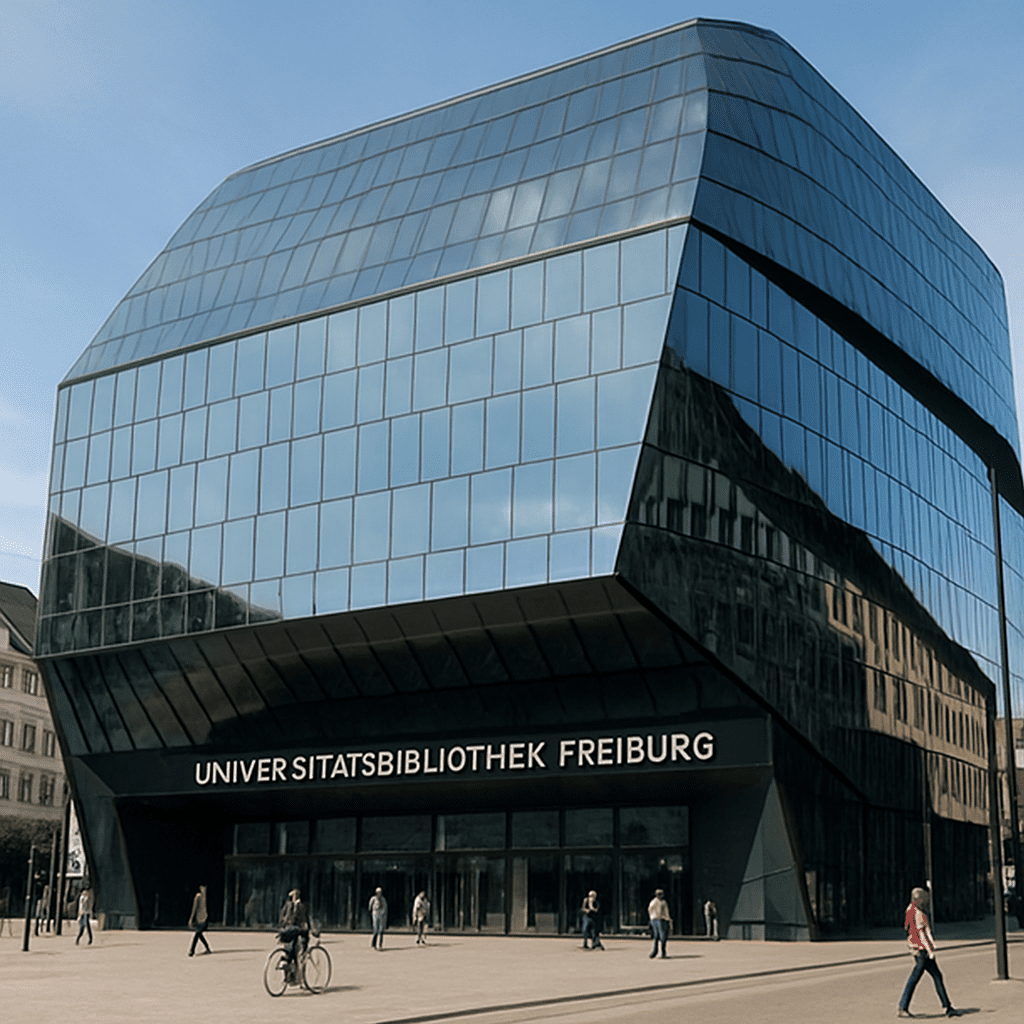
The architecture of the library building is modern and functional. It offers special workspaces for quiet work and group work. The library is an important meeting point for the academic community in Freiburg.
The University Library of Freiburg promotes Open Access and supports the publication of research findings. It is a pioneer in the use of digital technologies in librarianship. With special programs and workshops, it supports students and researchers in their development.
History and Development of the University Library Freiburg
The University Library of Freiburg boasts a history spanning over 500 years. It was founded in 1505 as one of the earliest academic libraries in Germany. From its humble beginnings, it has evolved into one of the leading university libraries.
In its early years, the collection focused on theology, philosophy, and classical sciences. In the 19th and 20th centuries, the library expanded significantly, both in terms of its collection and resources. This expansion reflected the growing scope of the sciences and the establishment of new university faculties.
During World War II, the library suffered partial damage. After the war, it experienced a period of reconstruction and modernization. This period laid the foundation for its development into the modern library it is today.
In recent decades, the University Library of Freiburg has increasingly invested in digital technologies. This move enabled access to global information resources and supported the transition to a digital library. It now offers comprehensive digital collections that are available to the academic community worldwide.
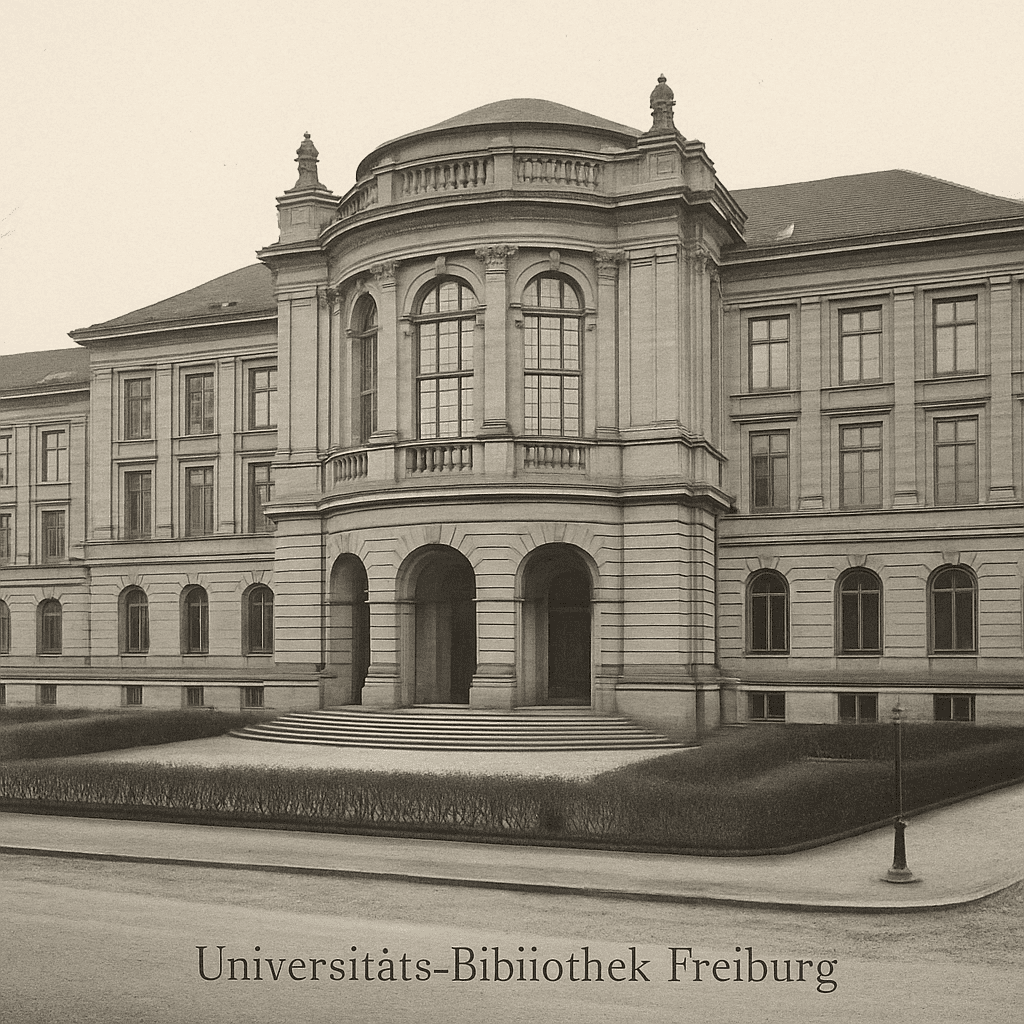
The library has also played a significant role in regional history. Its collections contain valuable manuscripts and books that document the cultural and scientific history of the region. These historical holdings are invaluable to researchers.
Today, the University Library of Freiburg continues its innovative approach. It is continuously developing new services to meet the needs of students and researchers. The library remains a vibrant center for knowledge exchange, bridging the gap between tradition and modernity.
Architecture and Location
The University Library Freiburg impresses with its modern architecture. It combines functionality with aesthetic elements. The building was designed with a clear focus on flexibility and user-friendliness. Its striking glass facade symbolizes openness and transparency. This modern appearance not only attracts students and researchers. Visitors to the city are also fascinated by the structure.
The library's location is central to the campus of the Albert Ludwig University of Freiburg. This central location makes it easy for students and academics to access its resources daily. The proximity to other faculties promotes interdisciplinary exchange. At the same time, the library functions as a cultural and intellectual hub on campus.
Inside the library, attention is paid to a variety of learning environments. There are both quiet reading rooms and flexible group work spaces. These different areas allow individual needs to be met. At the same time, they provide space for diverse learning and working methods. Modern technologies support users in working efficiently.
The library building's design places special emphasis on sustainability and energy efficiency. This reflects the university's commitment to promoting environmentally friendly practices. Energy-saving technologies and materials have been integrated to minimize the ecological footprint. These measures help to present the university library as a modern and forward-looking space.
Collections and Holdings
The University Library of Freiburg is one of the largest academic libraries in Germany. It offers an impressive collection of resources. These range from ancient manuscripts to modern publications. The collection comprises millions of volumes from a wide variety of disciplines. This diversity makes the library a valuable place for research and teaching.
The library takes particular pride in its historical collections. These include rare books, manuscripts, and incunabula from various eras. These works are of interest not only to historians; they also attract culture enthusiasts and researchers from all over the world. The care and preservation of these collections are of great importance to our cultural heritage.
In addition to the physical holdings, the digital library is an essential part of the collection. It provides access to a wide range of electronic resources, including e-journals, e-books, and databases. These digital resources are crucial for modern research, as they enable quick and easy access to up-to-date information.
An overview of the collections and holdings:
- Physical inventory: Millions of books and journals
- Historical Collections: Manuscripts, Incunabula, Rare Books
- Digital Resources: E-Journals, E-Books, Databases
- Special Collections: Maps, Audiovisual Materials, Artwork
- Archive: Scientific Reports and Research Materials
The library supports students and researchers through specialized collections. These cover various subject areas. There are departments for natural sciences, humanities, and social sciences. These specific collections offer in-depth insights into their respective fields. In this way, the University Library of Freiburg ensures that it is an important source of knowledge for all disciplines.
Overall, the library's extensive collections significantly contribute to supporting academic work. They promote knowledge exchange at the Albert Ludwig University of Freiburg. They play a crucial role in the development of research and offer diverse opportunities for the academic community.
Digital Library: Services and Innovations
The University Library of Freiburg has successfully established itself as a pioneer in the field of digital libraries. It offers a user-friendly platform that provides access to numerous digital resources. This offering is an essential component of a modern university library. It supports students and researchers in their academic daily lives in various ways.
In the digital age, e-journals and e-books have become indispensable. The library provides users with access to a comprehensive collection of this digital content. This enables fast and efficient research processes. Researchers and academics can stay up-to-date with the latest scientific developments without having to be physically present in the library.
Another important element of the digital library is remote access. This service allows users to access the digital collections from anywhere. Whether you are on campus or traveling internationally, the library's information resources are available at all times. This offers great flexibility and convenience, especially in today's globalized world.
The library continuously invests in innovations to improve its digital services. There are special programs and workshops aimed at strengthening users' digital literacy. Students and researchers have the opportunity to participate in tutorials that train them in the use of digital offerings.
An overview of digital offerings and innovations:
- Remote access to digital collections
- Access to e-journals and e-books
- Training on the use of digital resources
- Digital skills development programs
- Innovative technologies for improving usability
Open-access publications are another innovative aspect of the digital library. The University Library of Freiburg promotes free access to research results. This makes scientific communication more transparent and accessible. This initiative supports the global research community and enables a broader exchange of knowledge.
Overall, the digital library of the University Library of Freiburg significantly contributes to supporting research and teaching. By offering innovative technologies and comprehensive digital resources, the library remains an indispensable partner to the academic community. It is constantly evolving and setting new standards in digital librarianship.
Services for Students and Researchers
The University Library of Freiburg offers extensive services specifically tailored to the needs of students and researchers. These services are designed to support academic success and promote research. They facilitate access to knowledge and information that are essential for scholarly work.
An essential service is literature research. The library offers support in finding relevant literature for academic projects. Through personal consultations and training opportunities, students and researchers are guided to research efficiently and systematically. This service is of crucial importance for the success of scholarly papers and projects.
Another focus of the services is support for literature management. The library provides software solutions and tutorials that make managing and citing literature easier. These tools help maintain academic integrity and increase the efficiency of research work. Researchers can thus concentrate more on their actual research.
The library also organizes special programs and workshops to promote academic skills. These events cover various topics, from data analysis to presenting research findings. Such offerings are a valuable tool to expand the skills of students and researchers and prepare them for future challenges.
An overview of services for students and researchers:
- Research assistance
- Instructions for literature management
- Academic Skills Workshops
- Data analysis training
- Support for presenting research findings
In addition, the University Library Freiburg offers personalized consultation sessions. These sessions allow for individual support and adaptation of services to specific needs. Students and researchers can thus receive targeted support for their projects, which can contribute to better results and a more successful course of study.
Overall, the University Library of Freiburg strives to comprehensively support students and researchers. Through the variety of services offered, it ensures that the academic community in Freiburg has the necessary resources to make research and learning effective. It thus remains a central pillar of academic life at the university.
Jobs, learning environments, and infrastructure
The University Library of Freiburg is known for its modern workstations and appealing learning environments. With a thoughtful design, the library offers an inspiring atmosphere that promotes productive work and learning. Different areas within the library are tailored to the diverse needs of users, providing space for individual and collaborative activities.
The library has numerous quiet workspaces. These are ideal for students who want to study or research without interruption. Each workspace is well-equipped and provides access to powered devices and fast internet. Such conditions help to significantly increase efficiency in learning and working.
Specially designed rooms are available for group work. These group rooms are equipped with modern technology. They allow for practicing presentations or working on joint projects. These collaborative spaces foster the exchange of ideas and collaboration between students and researchers.
In addition to its physical infrastructure, the University Library of Freiburg offers innovative digital solutions. A user-friendly app helps reserve study spaces and find available resources. This technology significantly enhances the library experience. It allows for efficient planning of visits and optimal utilization of available resources.
Overall, the well-thought-out infrastructure of the University Library of Freiburg helps students and researchers concentrate on their academic tasks. The variety of learning and working environments supports the different needs of users and makes the library an essential element of student life in Freiburg.
Special Programs, Workshops, and Events
The University Library Freiburg is actively involved in organizing programs and workshops. These initiatives are specifically designed to support the academic and professional development of students and researchers. These events also strengthen the connection between academia and practice.
Workshops focusing on research skills and the use of library resources are held regularly. These workshops cover a variety of topics, including database searching, literature management, and publication strategies. Participating in these events is an excellent way to sharpen your academic profile and improve your handling of scholarly materials.
In addition to workshops, the library also offers a diverse program of cultural and scientific events. These promote interdisciplinary exchange and a culture of reading. Here are some of the regular events:
- Readings from authors and scientists
- Exhibitions on scientific and cultural topics
- Discussion rounds on current scientific questions
- Courses to improve digital skills
These diverse offerings from the University Library Freiburg contribute to creating a vibrant academic environment. They foster scientific exchange and support the personal development of their participants. By participating in these events, students and researchers can gain valuable insights and expand their academic networks.
Cooperations, Networks, and Social Engagement
The University Library of Freiburg is not only a place for research and learning but also plays a significant role in numerous collaborations. These partnerships extend both nationally and internationally, fostering the exchange of knowledge and resources. Through these networks, synergies can be created with other scientific institutions.
A variety of programs and initiatives are implemented in collaboration with other institutions. These collaborations enable the library to continuously evolve and expand its offerings. Of particular note is the cooperation with other university libraries, which simplifies access to extensive resources. This includes, among other things, the joint use of databases and the exchange of research findings.
Furthermore, the library is actively involved in the local community by offering educational programs and cultural events. This strengthens the connection to the city of Freiburg and promotes dialogue between the university and society. Here are some of the engagements:
- Partnerships with local schools and educational institutions
- Community events on scientific and cultural topics
- Programs to promote reading literacy in the region
These diverse activities underscore the important role of the University Library Freiburg as a player in scientific and societal exchange. They contribute to enriching the community and fostering academic excellence.
Open Access, Research, and Scholarly Communication
The University Library of Freiburg is actively committed to the idea of Open Access. This means that research results are freely accessible and usable by everyone. The library supports researchers in publishing their work in Open Access journals. This initiative not only promotes the visibility of research but also contributes to global scientific communication.
Research is a central component of the university, and the library plays a supporting role in this. It offers numerous services to support researchers, including advice on publishing scientific work. Workshops and training sessions to improve research skills are also a fundamental part of the offerings. These measures ensure that library users always have access to the latest information and technologies.
Scientific communication is also promoted through various platforms and resources provided by the library. Digital archives and publication servers are just a few of the tools that facilitate knowledge exchange. This infrastructure allows researchers to make their work accessible to a broader audience and to strengthen interdisciplinary exchange. Thus, the University Library Freiburg becomes an important hub in the international research landscape.
Future prospects and innovations
The University Library of Freiburg constantly stays up-to-date with technological developments. Future initiatives will focus on the integration of artificial intelligence and machine learning. These technologies can revolutionize the way information is organized and made accessible. The library plans to further expand its digital platforms to offer innovative solutions for users.
Sustainability also plays an increasingly important role in planning future developments. The library aims to promote environmentally friendly practices and minimize its ecological footprint. Projects to reduce paper consumption and energy-saving measures are already in planning. Through these steps, the University Library Freiburg remains a role model not only in digital transformation but also in sustainable library management.
Conclusion
The University Library Freiburg plays an indispensable role in academic and cultural life. It combines tradition with innovation and offers a wide range of services and resources. Its commitment to research, education, and social engagement makes it an outstanding model among academic libraries.
The successful combination of physical collections and digital offerings strengthens the library's relevance. Students and researchers benefit from modern learning environments and extensive support services. By promoting Open Access and scholarly communication, the library significantly contributes to the dissemination of knowledge.
Looking to the future, continuous adaptation to technological advancements and a strong commitment to sustainability remain central concerns for the library. Its ongoing development not only ensures access to knowledge but also inspires other libraries. The University Library Freiburg remains a driving force within the academic network.