
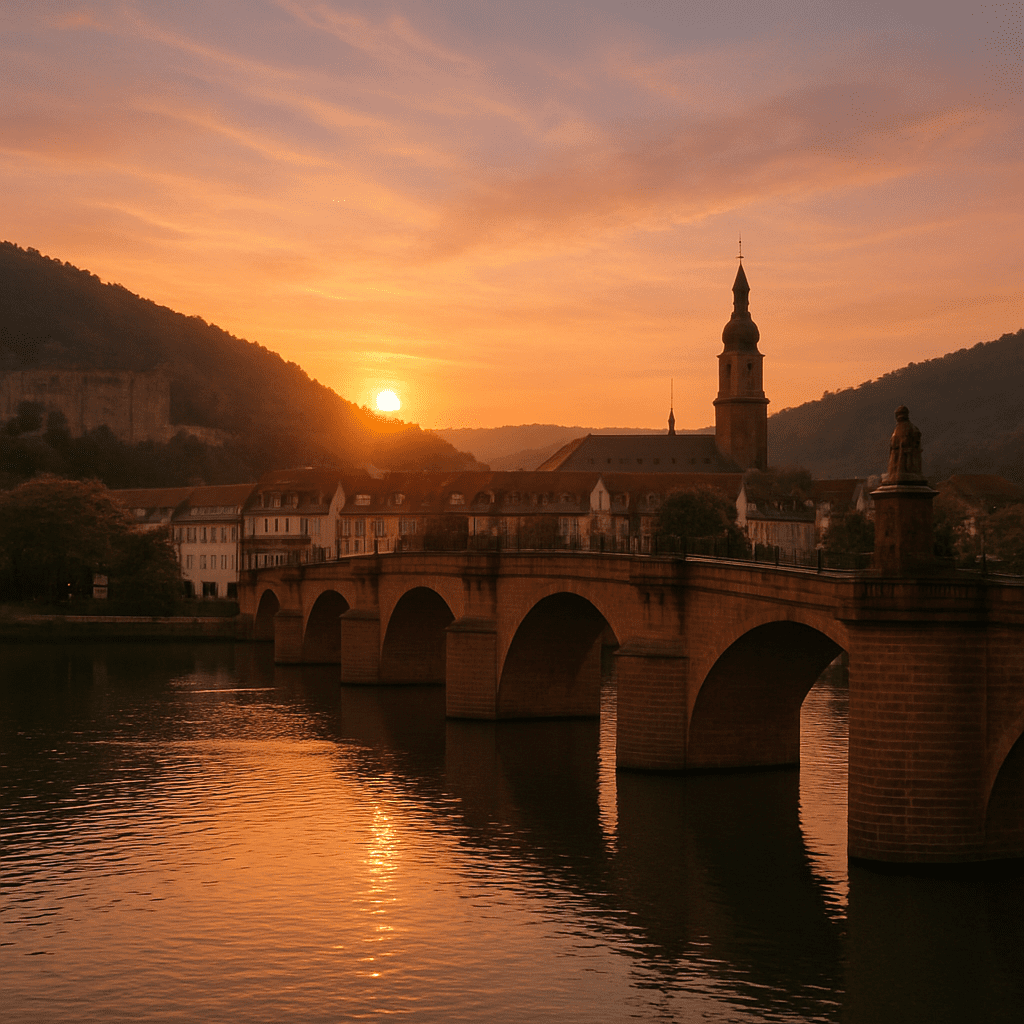
The Old Bridge in Heidelberg is a fascinating structure with a rich history. It is officially known as the Karl Theodor Bridge and was completed in 1788. This bridge is one of the oldest over the Neckar River and connects Heidelberg's picturesque Old Town with the opposite bank.
The bridge is a significant landmark of the city and attracts numerous tourists annually. It is not only a popular photo opportunity but also a symbol of the connection between tradition and modernity. The bridge was built from the characteristic Neckar Valley sandstone and impresses with its nine arches.
A walk across the Old Bridge offers a breathtaking view of Heidelberg Castle and the Old Town. This view makes it a romantic spot that is particularly enchanting at sunset. The bridge is also a popular starting point for boat tours on the Neckar River.
On the bridge are statues that emphasize its historical significance. One statue depicts Elector Karl Theodor, who commissioned the construction of the bridge. Another statue is dedicated to the Roman god Mercury, reflecting Heidelberg's cultural diversity.
The Old Bridge is not only an architectural masterpiece but also a meeting place. It attracts street artists, musicians, and tourists alike. The bridge is a vibrant part of the Heidelberg community and a place of inspiration.
Heidelberg Tourism greatly benefits from the appeal of the Old Bridge. It is a central component of the city's tourism strategy and a must-see for every visitor. The bridge is a symbol of Heidelberg's resilience, as it was rebuilt after its destruction in World War II.
The Old Bridge is more than just a connection across the Neckar River. It is a place of peace, reflection, and a symbol of Heidelberg's beauty. A visit to the bridge is an unforgettable experience that brings the city's rich history and culture to life.
History of the Old Bridge in Heidelberg
The Old Bridge in Heidelberg, officially known as the Karl-Theodor Bridge, has a long and eventful history. It was completed in the year 1788 under the reign of Elector Palatine Charles Theodore. Its construction marked a milestone in Heidelberg's infrastructure, as it provided a permanent connection across the Neckar River.
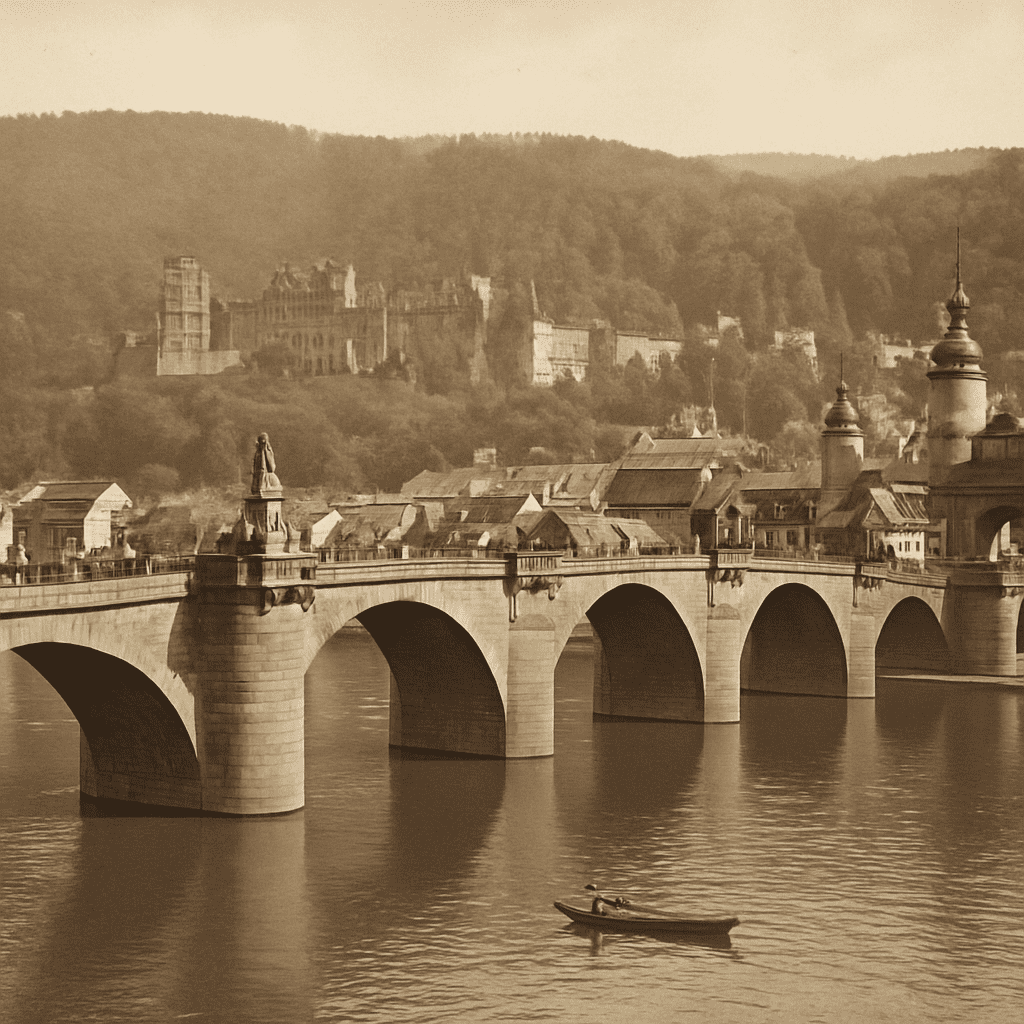
Even before the construction of the current bridge, there were several wooden predecessors, but they were repeatedly destroyed. The unreliability of these wooden bridges led to the decision to build the bridge from more robust Neckartal sandstone. This gave the bridge long-lasting durability and contributed to its fame.
Throughout its history, the bridge has had to endure many challenges. In 1945, towards the end of World War II, the bridge was blown up by the German Wehrmacht to impede the advance of Allied troops. This destruction marked a dark moment in the structure's history, but the city of Heidelberg did not give up on the bridge.
The reconstruction of the Old Bridge began shortly after the war and was completed in 1947. Through the use of modern techniques and materials, the bridge was not only able to regain its original splendor but also gain stability. This reconstruction was a symbol of hope and renewal for the people of Heidelberg and their city.
Over the years, the bridge has been restored multiple times to preserve its historic character. Each of these restorations helped maintain its 18th-century charm and structure. Today, the Old Bridge stands as a proud symbol of Heidelberg's rich heritage, attracting history buffs and architecture enthusiasts from all over the world.
Architecture and construction of the Karl Theodor Bridge
The Karl-Theodor Bridge is an impressive example of Baroque engineering. With its nine elegant arches, the bridge spans approximately 200 meters. The use of Neckartal sandstone not only provides stability but also an aesthetic quality that continues to fascinate to this day.
Each arch of the bridge was carefully designed to safely span the Neckar River. The arches lend the bridge a majestic character that inevitably draws the gaze of passersby. Despite its robust construction, the bridge appears light and harmonious in its surroundings.
During a walk across the bridge, the elaborate stonework catches the eye. The details and embellishments are typical of 18th-century construction methods. These subtleties make the bridge not just a traffic connection, but also a work of art.
The architecture of the bridge includes several striking details:
- Neckartal SandstoneMain building material of the bridge, valued for its durability.
- Nine bowsArchitecturally designed to distribute weight evenly.
- OrnamentsBaroque details that give the bridge an artistic touch.
The construction of the bridge, particularly the use of Neckar Valley sandstone, demonstrates an appreciation for local materials. This deliberate choice of material was not just a matter of availability but also contributed to the bridge's longevity. The material has proven to be remarkably resilient and adds to the bridge's timeless beauty.
In summary, the architecture of the Old Bridge is a successful interplay of aesthetics and functionality. It stands as an example of the mastery of Baroque architecture and 18th-century engineering. This perfect combination has made the bridge a distinctive and admired landmark.
The Old Bridge as a Heidelberg landmark
The Old Bridge in Heidelberg is more than just an architectural masterpiece; it is a significant landmark of the city. As a symbol of tradition and permanence, it rises impressively over the Neckar River. The structure represents one of the oldest connections between the banks and is a central part of the city's history.
Any visit to Heidelberg would be incomplete without seeing the distinctive silhouette of the bridge. Its silhouettes not only shape the city view but also offer a breathtaking perspective of the Old Town and the majestic Heidelberg Castle. This panoramic view attracts thousands of photographers and tourists every year.
The symbolic meaning of the bridge also extends to cultural and social levels. It is a popular meeting point for locals and visitors alike. On nice days, people stroll across the bridge, enjoying the fresh air and the magnificent view. Especially at sunset, the bridge becomes a romantic setting.
The Old Bridge's reputation as an iconic landmark has helped make Heidelberg known beyond Germany's borders. Its role as a cultural anchor is undisputed. It is not only a historical monument but also a living part of urban daily life and a symbol of Heidelberg's cultural identity.
Statues and artworks on the Old Bridge
The Old Bridge in Heidelberg houses several impressive statues and artworks that hold both historical and artistic significance. These works contribute to the bridge's cultural importance and offer visitors interesting details for contemplation. Two particularly noteworthy statues are those of Elector Karl Theodor and the Roman god Mercury. These figures reflect the historical and mythological diversity of the region.
The statue of Karl Theodor is a tribute to the Elector who commissioned the construction of the bridge. His significance for the region is undisputed, and the monument on the bridge honors his contribution to urban development. Standing beside him is the statue of Mercury, symbolizing Heidelberg's ancient heritage and connection to classical art. Both statues are skillfully carved from Neckar valley sandstone and add a special aesthetic touch to the bridge.
Here is a list of the notable artworks on the bridge:
- Statue of Elector Charles Theodore Honor the bridge initiator.
- Statue of the God Mercury Symbolizes trade and prosperity.
- Inscriptions and Reliefs: Explain the history of the bridge.
The artworks on the Old Bridge are not just decorations; they are also testaments to history. They offer visitors insights into Heidelberg's past and make the bridge an even more significant place for culture and history enthusiasts.
The Old Bridge Through the Ages: Destruction and Reconstruction
The Old Bridge in Heidelberg is a testament to human resilience and architectural excellence. Originally completed in 1788, it has been destroyed and rebuilt several times throughout history. It suffered severe damage, particularly during World War II, when a controlled demolition left it in ruins in March 1945. The loss of the bridge was a heavy blow to the city and its inhabitants, as it represented a vital connection between the two banks of the Neckar River.
After the war, the laborious reconstruction began, aiming to restore the bridge to its original splendor. Thanks to extensive restoration work with Neckartal sandstone, the bridge once again shone in 1947 as a symbol of strength and hope. The restorers placed great importance on precisely recreating the historical architecture and artistic details. This demonstrated the commitment of the Heidelberg residents to preserving their cultural landmarks.
Today, the Old Bridge stands not only as a means of transportation but also as a reminder of the past and reconstruction. It symbolizes the transition from a dark time to a hopeful future. The bridge's existence today is a testament to the city's tireless spirit and its commitment to preserving culture and history.

by Abhinav Kumar (https://unsplash.com/@abhinav_ishu)
The bridge as a meeting place and source of inspiration
The Old Bridge in Heidelberg has developed into a popular meeting spot over the years. Locals and tourists alike enjoy crossing the bridge, taking in the views of the Neckar River and the Old Town. Especially when the weather is nice, the area around the bridge fills with the lively hustle and bustle of people enjoying the idyllic atmosphere.
The Old Bridge has inspired artists and writers for centuries. Many find the tranquility and the view here that stimulates creative thinking. The combination of history, nature, and architecture offers an ideal backdrop for creative work. Poets and painters, such as Joseph von Eichendorff, drew inspiration from this unique environment.
This bridge is not only an architectural masterpiece but also a cultural meeting point. Street musicians and artists often present their works here, inviting people to enjoy art in the open air. This vibrant cultural scene makes the Old Bridge a place of encounter and exchange, where people from all over the world connect with each other.
by Jesus Martinez (https://unsplash.com/@martinezjmp)
Visitor Tips: Experience the Old Bridge
A visit to the Old Bridge in Heidelberg is a must if you are in this historic city. The bridge is ideal for a stroll, especially at sunrise or sunset. These times offer breathtaking views of the picturesque city panorama. The sight of the mist settling over the Neckar River is particularly unforgettable in the morning light.
To truly experience the bridge, you should take your time and also pay attention to the small details. The beautiful statues on the bridge tell their own story and give the bridge its distinctive character. A popular tradition among visitors is to cross the bridge three times to secure good luck – a nice, albeit touristy, gesture.
Besides the bridge, there are numerous sights to discover. As you stroll along the Neckar riverbank, new perspectives will open up to you again and again. A visit to the nearby old town, which is part of the UNESCO World Heritage site, should also be on your itinerary. The path leads you past charming cafes, where you can enjoy a coffee and watch the hustle and bustle.
Here are some tips to make the most of your visit to the Old Bridge:
- Early morningLess crowded and perfect lighting conditions.
- SunsetRomantic atmosphere and great photo opportunities.
- Closing timeExplore nearby bars and restaurants.
- Philosopher's WalkOffers a panoramic view of the bridge and the city.
- Bike rideThe Neckarweg invites you to relaxing bike tours.
It is advisable to inform yourself about current events or guided tours in advance. This will allow you to make your visit even more varied and possibly participate in a guided tour to learn more about the history of the bridge. It is also recommended to try local specialties in the surrounding restaurants.
The Old Bridge in the Context of Heidelberg's Attractions
The Old Bridge in Heidelberg is more than just a structure; it is a central point in a network of fascinating sights. Its location in the Old Town makes it the ideal starting point for exploration. From here, numerous opportunities arise to experience the beauty and history of Heidelberg.
The famous Philosopher's Walk is just a short stroll away. It offers impressive views of the city and Heidelberg Castle. This picturesque path through nature invites you for relaxing walks and is especially popular in spring when the flowers are in bloom.
Heidelberg's Old Town itself is a collection of well-preserved historic buildings, lively squares, and charming alleys. Numerous cafes and restaurants offering regional cuisine can be found here. Cultural discoveries are also plentiful, as the Heidelberg Theater and the Church of the Holy Spirit are just a stone's throw away.
If you want to learn more about the region, the Kurpfälzisches Museum offers exciting insights into Heidelberg's history. The central location of the Old Bridge makes it easy to access these places and enhances their appeal. Thanks to its proximity to the Neckar River, you can also take boat tours upstream, which offer additional perspectives on the city.
Here are some of the top sights to discover in Heidelberg after visiting the Old Bridge:
- Heidelberg CastleHistorical splendor over the city.
- Philosopher's WalkPicturesque walking route with a great view.
- Church of the Holy SpiritGothic architecture in the heart of the old town.
- Palatinate MuseumMuseum of the History of the Region.
- King's ChairOffers distant views into the Black Forest.
Some of these sights tell of Heidelberg's long and varied history. They are characterized by the unique combination of nature, science, and art. This mixture makes Heidelberg a popular destination for tourists from all over the world, and the Old Bridge is the ideal starting point to discover all these treasures.
The Significance of the Old Bridge for Heidelberg Tourism
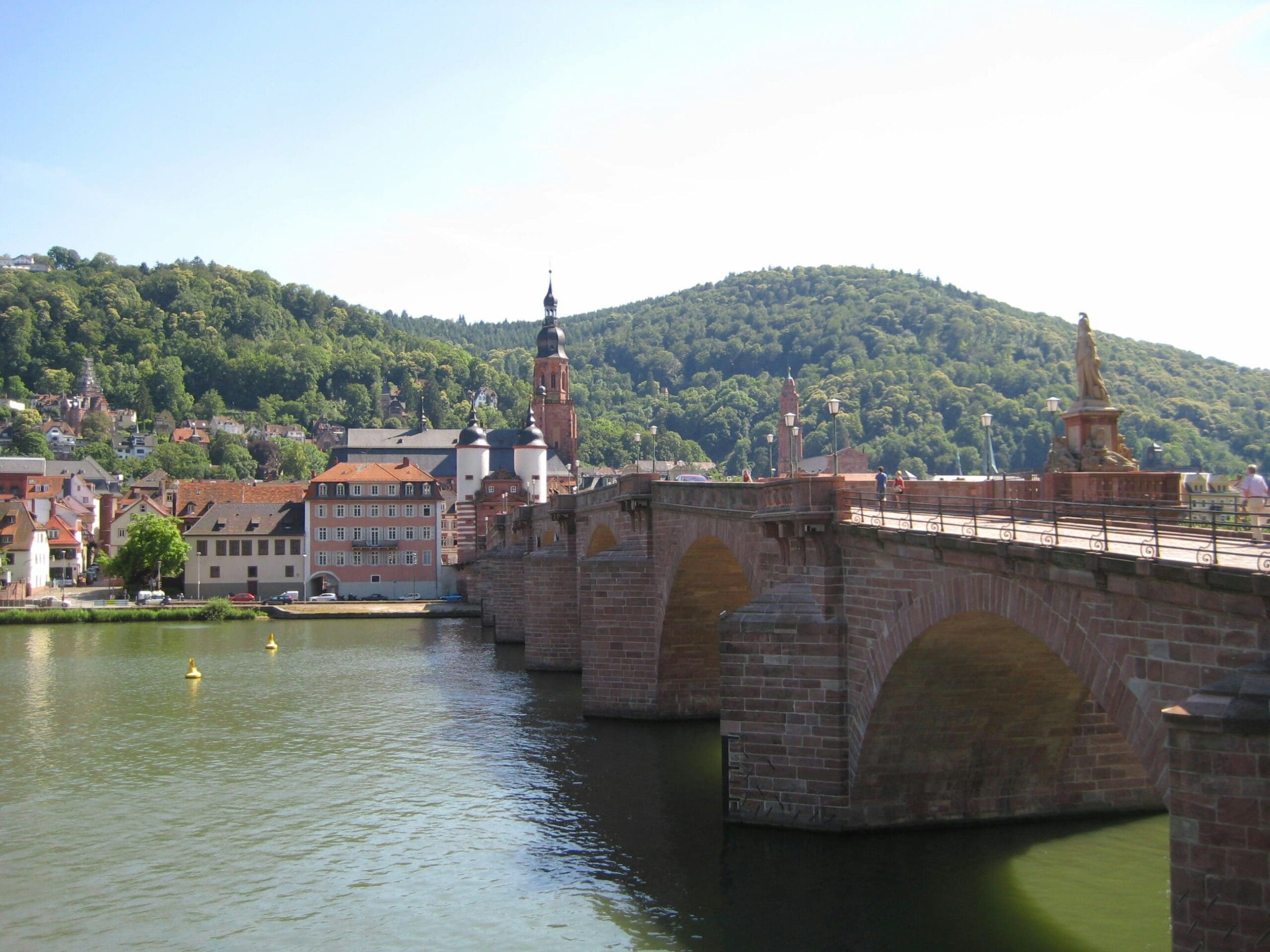
The Old Bridge is an indispensable symbol of Heidelberg and a magnet for tourists from all over the world. As one of the city's most famous landmarks, it attracts thousands of visitors each year. Its picturesque location and historical significance make it a highlight of any Heidelberg tour. Its iconic appearance graces numerous postcards and guidebooks, further increasing its recognition.
Tourism in Heidelberg benefits significantly from the allure of the Old Bridge. It not only offers fantastic photo opportunities but also serves as a central hub in the city's experience. Visitors begin their discovery tours to other important sights from here. Furthermore, the bridge acts as a cultural meeting point where street artists and musicians perform, creating a lively atmosphere. This mix of history and vibrant city life captivates tourists and strengthens Heidelberg's reputation as a charming travel destination.
by Rebecca McKenna (https://unsplash.com/@reebs16)
Conclusion: The Old Bridge as a Symbol of Heidelberg
The Old Bridge is far more than just a historic structure; it is a living symbol of Heidelberg. It embodies the connection between tradition and modernity and stands for the city's pride and identity. As a frequent photographic subject and meeting place, it brings people together and fosters cultural exchange. Its presence and beauty make it clear why Heidelberg is considered one of Germany's most romantic cities.
With its rich history and impressive architecture, the Old Bridge not only attracts tourists but also inspires locals. It stands for resilience and the city's constant change, having survived destruction and reconstruction. For Heidelberg Tourism, it is a jewel that fascinates and draws visitors from all over the world. The bridge remains an integral part of Heidelberg's experience and allure.