
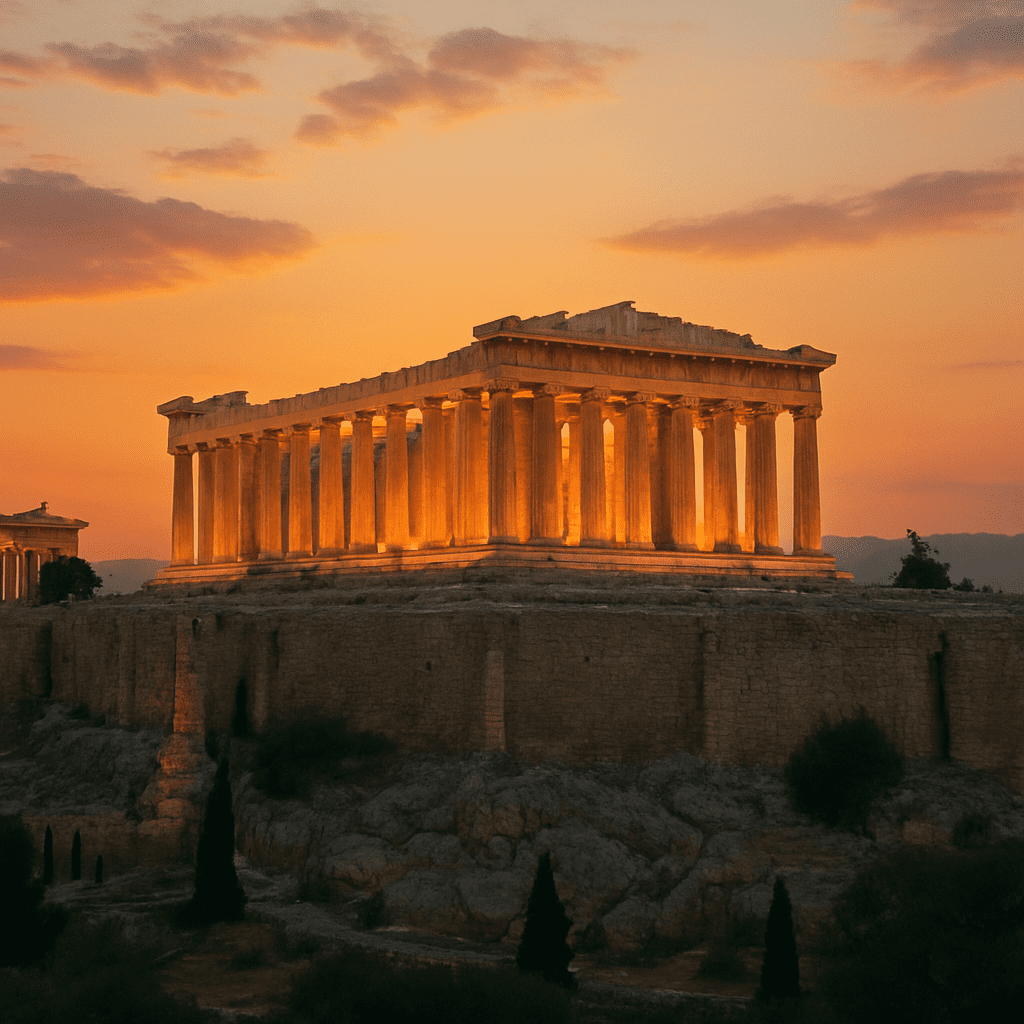
The Parthenon in Athens is a masterpiece of ancient architecture. It stands majestically atop the Acropolis, one of the most significant historical sites in the world. The temple is dedicated to the goddess Athena, the patron deity of the city.
Built between 447 and 432 BC, the Parthenon reflects the golden age of Athens. It is a symbol of the ancient city's power and influence. The Acropolis itself is a UNESCO World Heritage Site and attracts millions of visitors annually.
The architecture of the Parthenon is a prime example of Doric architecture. It impresses with its precise construction and optical corrections. These features make it one of the most significant structures in world history.
Besides its architectural significance, the Parthenon is also a cultural symbol. It represents the unity and pride of the Athenian citizens. Over the centuries, it has served as a temple, church, and mosque.
Today, the Parthenon stands as a testament to the technical prowess of the ancient Greeks. It inspires architects and artists worldwide. The Acropolis also offers a breathtaking panoramic view of Athens. A visit is a must for anyone wishing to experience ancient history.
The Acropolis of Athens: Overview and Significance
The Acropolis of Athens rises majestically above the city, dominating the skyline. It is more than just an architectural wonder; it is a symbol of ancient civilization. As a religious and political center, the Acropolis was the heart of urban life in ancient Greece.
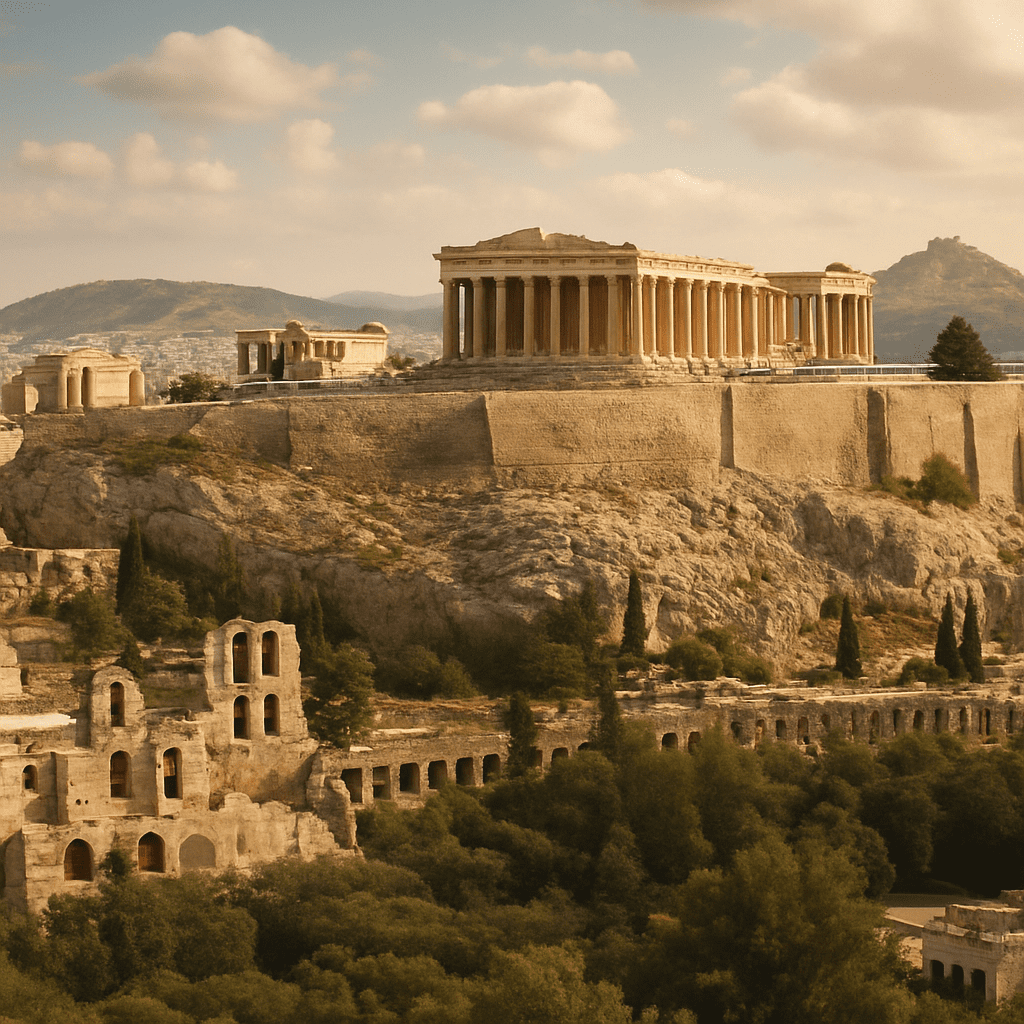
Besides the Parthenon, the Acropolis also includes other significant structures. The Propylaea, the majestic entrance to the Acropolis, is among them. The Erechtheion, known for its Caryatid statues, is also a highlight of this historical site.
The Acropolis was a strategic location used as a fortress. Its elevated position provided protection from invasions and raids. This strategic importance made it a valuable part of Athenian history.
Today, the Acropolis is a place of inspiration and admiration. It attracts historians, archaeologists, and tourists from all over the world. Its preservation is one of the central tasks of modern archaeological work in Greece.
Finally, the Acropolis symbolizes the unity and pride of Greece. It is a testament to the resilience and influence of Greek culture. Visiting the Acropolis is a journey into the past that resonates in the present.
History of the Parthenon: From Antiquity to Today
The construction of the Parthenon began in 447 BC during the golden age of Athens. It was dedicated to the goddess Athena, the patron deity of the city. Work on the temple continued until 432 BC and was carried out by architects Iktinos and Kallikrates, under the supervision of sculptor Phidias.
from Virginia Commonwealth University Libraries (https://unsplash.com/@vcu)
The Parthenon served not only as a sanctuary but also as a treasury. It housed the city's riches and offerings to Athena. The temple symbolized the power and splendor of Athens in classical antiquity.
With the advent of Christianity in the 5th century AD, the function of the Parthenon changed. It was converted into a Christian church dedicated to the Virgin Mary. These adaptations reflected the cultural and religious shifts of the time.
In the 15th century, the Ottoman Empire conquered Athens, and the Parthenon underwent another transformation. It was converted into a mosque, which brought further architectural changes. This period was marked by numerous religious and political upheavals.
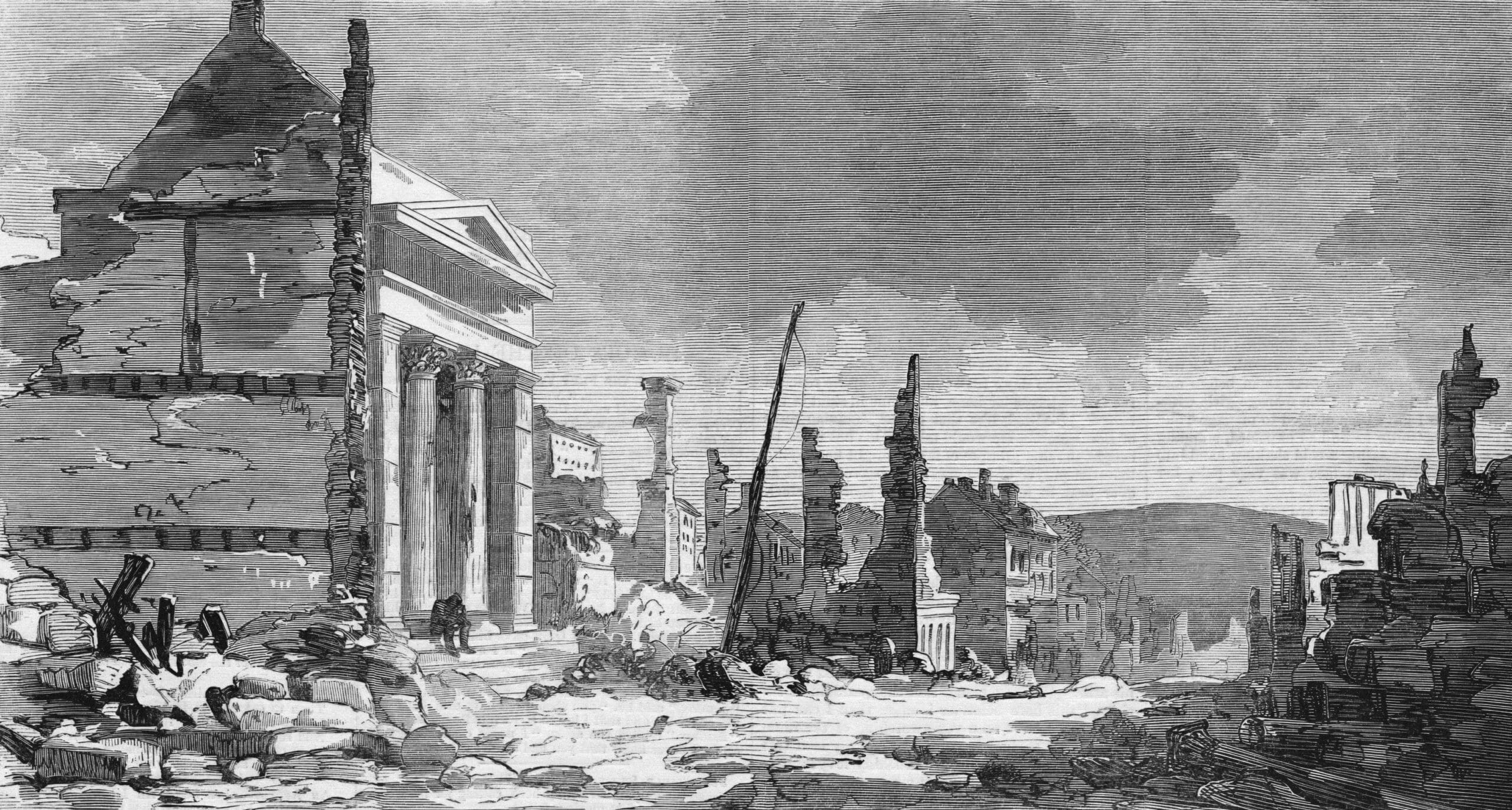
The Parthenon suffered one of its most severe destructions in 1687. An explosion, caused by a munitions fire during a Venetian attack, significantly damaged the building. This tragedy left the temple in ruins.
The Parthenon became the subject of international debate in the 19th century. Lord Elgin acquired many of the sculptures and brought them to England, where they are now displayed in the British Museum. This act sparked a long-standing discussion about the return of the „Elgin Marbles.“.
Restoration work on the Parthenon began in the 20th century and continues to this day. The goal is to preserve the temple for future generations and to honor its historical significance. These efforts are a testament to the Parthenon's enduring influence and legacy in the modern world.
Architecture and Construction: Masterpiece of Antiquity
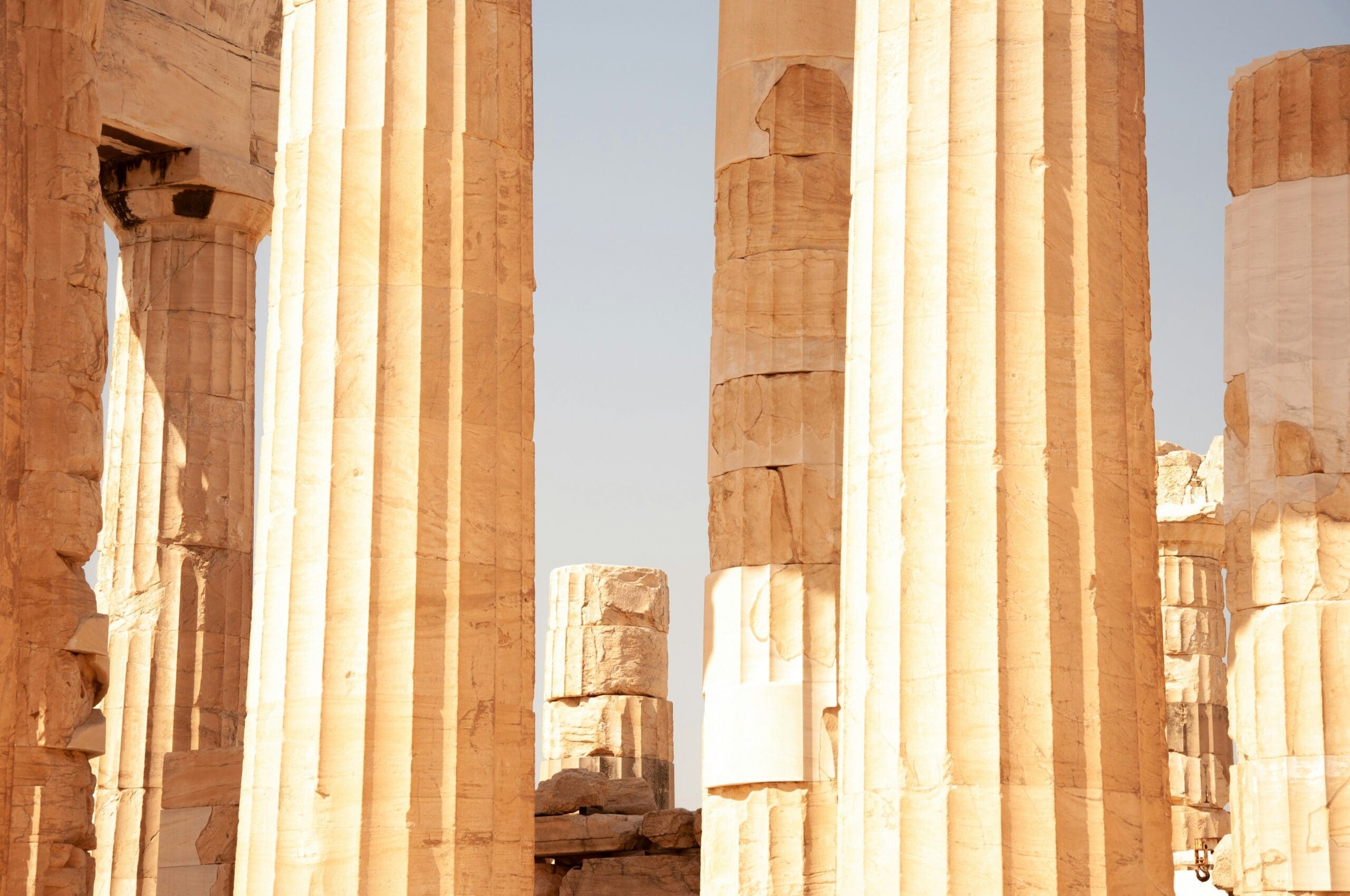
The Parthenon is a prime example of Doric architecture, combining masterful engineering. Its construction is among the greatest achievements of the ancient world. Each column, each stone, was crafted with surgical precision.
by Emy Nguyen (https://unsplash.com/@meynyz)
A remarkable feature of the Parthenon is the application of optical corrections. These subtle adjustments eliminate visual distortions, such as entasis, a slight curvature of the columns. They make the building appear perfectly straight, even from a distance.
Also unique is the use of Pentelic marble, esteemed for its purity. This material lends the Parthenon its characteristic radiance. It was important for the intended monumentality and aesthetic impact of the temple.
The temple is based on a rectangular floor plan with eight front and seventeen side columns. This arrangement enhances its majestic appearance. The structures are designed to be harmonious and strictly symmetrical.
Key architectural features:
- Doric columns with entasis
- Use of Pentelic Marble
- Optical corrections for perspective balance
- Rectangular floor plan
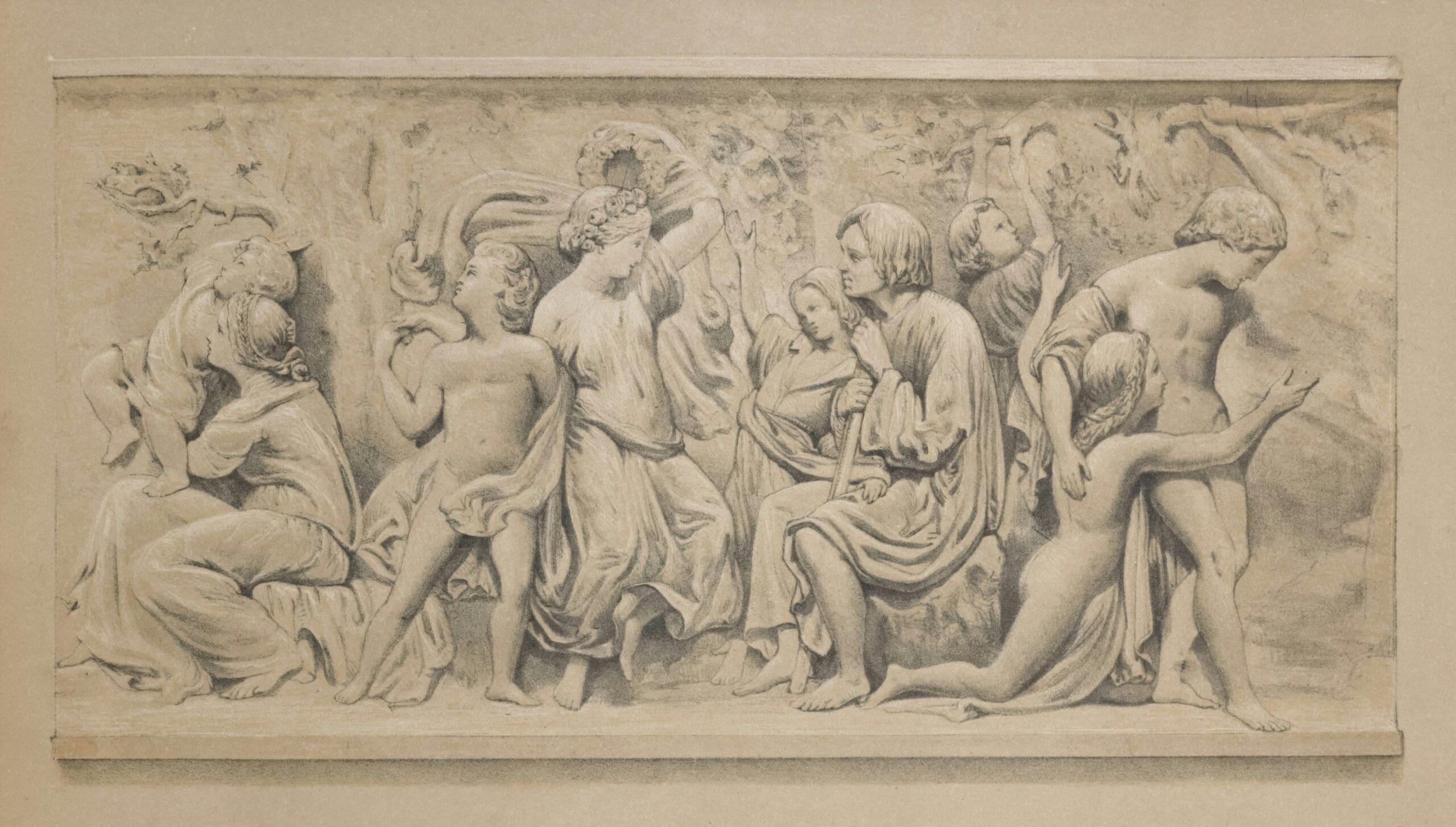
The complex construction includes numerous artistic details. Metopes and triglyphs on the facade tell myths and stories. These artworks subtly complement the architectural design.
from The New York Public Library (https://unsplash.com/@nypl)
The precision of its construction and the beauty of its execution make the Parthenon a legendary structure. It demonstrates how the ancient Greeks united science and art to put their grandiose ideas into practice.
The Sculptures and Works of Art of the Parthenon
The sculptures of the Parthenon are among the masterpieces of classical Greek art. They were created by the renowned sculptor Phidias and his team. These works of art once adorned the temple and attracted admiration from across the ancient world.
A significant work of art is the Parthenon Frieze, which depicts the Great Panathenaic procession honoring the goddess Athena. These relief sculptures are remarkably detailed and dynamic, conveying an impressive picture of religious life in ancient Athens.

by David Carboni (https://unsplash.com/@davidcarboni)
The pediments of the Parthenon are decorated with sculptures depicting mythological scenes. These representations show dramatic moments and are known for their expressiveness. Special attention should be paid to the complex motifs and artistic compositions.
A large part of the sculptures, known as the Elgin Marbles, are today in the British Museum. Their whereabouts are controversial and the subject of international discussion. Nevertheless, these works of art are an indispensable part of Greece's cultural heritage.
Important artworks of the Parthenon:
- Parthenon Frieze
- Gable sculptures
- Elgin Marbles
Each of these artworks testifies to the deep connection between art and architecture in ancient Greece. They remain unforgettable symbols of artistic achievement and cultural significance.
Meaning Change: Temple, Church, Mosque, and Symbol
The Parthenon has changed its function multiple times throughout the centuries. Originally built as a temple for the goddess Athena, it was the spiritual center of Athens. The temple housed not only religious ceremonies but also state treasures.

by Konrad Dobosz (https://unsplash.com/@knrd_dbsz)
With the Christianization of the Roman Empire, the Parthenon was converted into a Christian church. During this time, pagan elements were removed or altered. The Christians used the imposing structure to display their new symbols.
Later, during Ottoman rule, the Parthenon served as a mosque. This use illustrates the adaptation to changing rulers and their religious practices. Each transition left its mark on the building's structure.
Today, the Parthenon is a symbol of the enduring cultural identity of Greece. It stands for the rebirth of classical ideals and the eternal influence of Greek culture. Visitors from all over the world admire this monument of history.
The Parthenon Today: Restoration and Preservation
The Parthenon remains at the center of extensive restoration efforts even today. These projects are aimed at preserving the temple for future generations. Engineers and architects work closely together to respect the original construction methods.
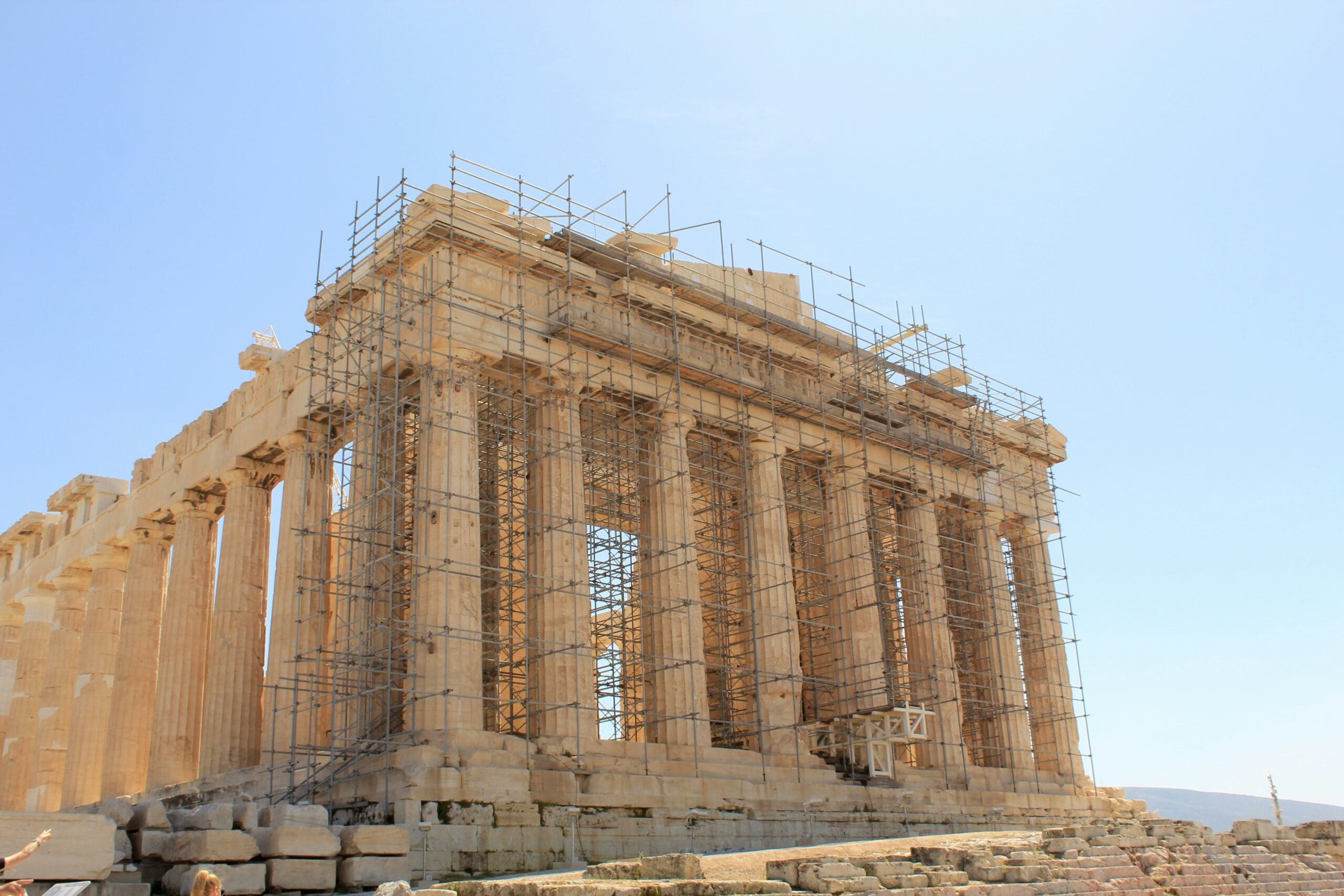
by Amir Arsalan Shamsabadi (https://unsplash.com/@amirarsalan93)
One of the biggest challenges is using materials that come as close as possible to the ancient originals. Pentelic marble, in particular, is processed with great care. It must ensure stability and aesthetic appearance.
Restoration work also focuses on repairing past damage. This includes damage from wars, earthquakes, and pollution. The goal is to preserve structural integrity and historical authenticity.
The restoration of the Parthenon not only ensures the physical preservation of the structure. It also promotes cultural awareness. Tourists can learn more about the significance and history of the Parthenon on the Acropolis.
These continuous efforts highlight the global value of the Parthenon. It remains a symbol of ancient Greek civilization and Western culture.
Visiting the Acropolis: Tips and Attractions
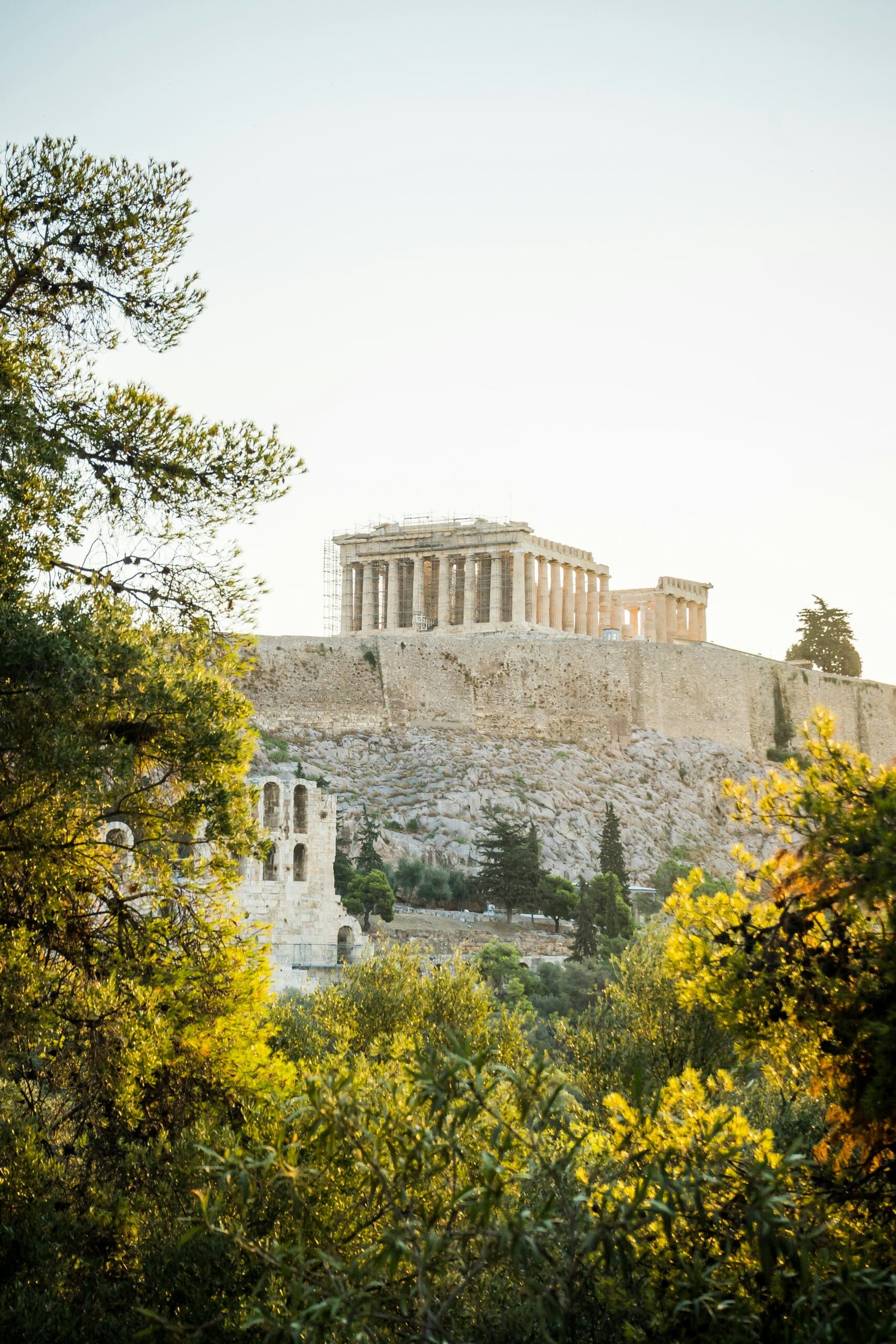
A visit to the Acropolis of Athens is a must for every traveler. The ancient site offers a breathtaking glimpse into Greek history. It is advisable to come early in the morning to avoid the crowds.
by Leonhard Niederwimmer
Upon entering the Acropolis, one passes through the monumental Propylaea. These impress not only with their architecture but also with the view of Athens they offer. A sense of historical heritage is present everywhere.
Besides the Parthenon, there are other important sights. These include the Erechtheion with its Caryatids, the Temple of Athena Nike, and the Theatre of Dionysus. Each place tells its own fascinating story.
Tips for your visit:
- Wear comfortable shoes.
- Bring sunscreen.
- Take your time at the Acropolis Museum.
- Inform yourself about the history beforehand.
- Use an audio guide for deeper insights.
by Parastoo Maleki (https://unsplash.com/@blueswallow)
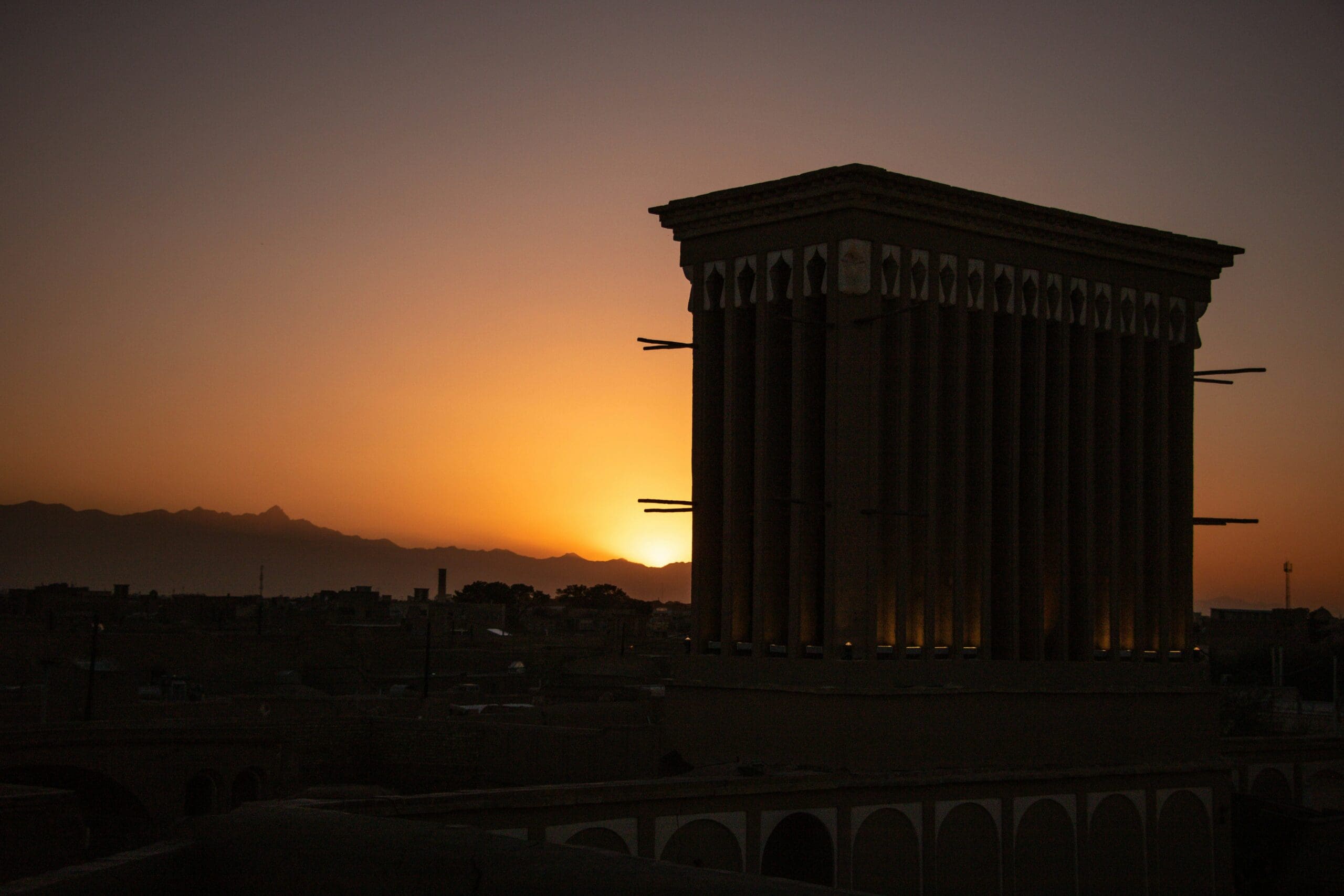
A visit to the Acropolis is especially worthwhile in the evening. The illuminated site offers an impressive sight and an unparalleled atmosphere. This experience will be unforgettable.
The Acropolis Museum: Treasures of the Past
The Acropolis Museum in Athens is a treasure trove of history. It houses artifacts discovered on the Acropolis. The modern structure harmonizes with the ancient findings and offers a spectacular view of the Acropolis.
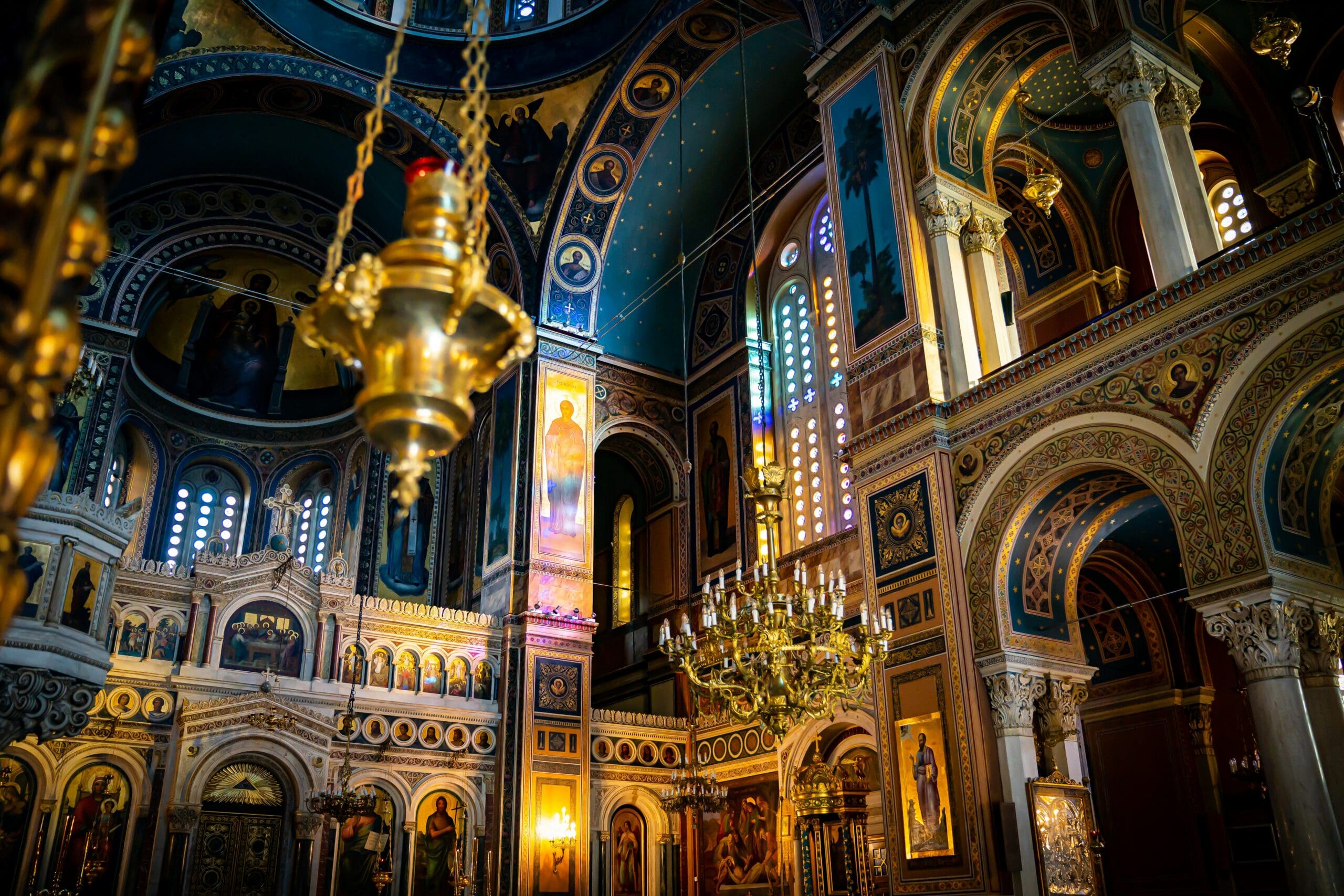
by Pascal van Soest (https://unsplash.com/@pascalvansoest)
Numerous important exhibits can be seen in the museum. These include sculptures from the Parthenon and masterpieces of classical art. The collection ranges from the Archaic to the Roman periods.
A special highlight of the museum is the Parthenon Hall. Here, the original pieces of the Parthenon Frieze are displayed. Visitors can admire the detailed reliefs up close. These experiences make the museum an indispensable part of any visit to Athens.
Parthenon and World Heritage: Significance for the Present
The Parthenon is more than just an ancient edifice. As part of UNESCO's World Heritage, it symbolizes the rich history of Athens. Its preservation is of global importance.
The temple represents the golden age of antiquity. It stands for progress and the birth of democratic values. The influence of the Parthenon extends far beyond architectural beauty.
For the modern world, the Parthenon is a symbol of harmony and heritage. It inspires artists and architects worldwide. Its presence promotes cultural exchange and understanding of past civilizations.
Conclusion: The Parthenon as a Symbol of Western Culture
The Parthenon stands as an impressive testament to ancient Greek culture. It unites art, architecture, and democratic ideals.
Its timeless aesthetic continues to inspire today. The Parthenon remains a symbol of progress and the legacy of Western civilization.