

The Archaeological Museum of Chania is a jewel of Cretan culture. It is located in the heart of Chania and attracts history enthusiasts from all over the world.
This museum is housed in a former Venetian monastery. It offers a fascinating journey through time.
Visitors can admire artifacts from the Minoan, Hellenistic, and Roman periods. These exhibits impressively tell the story of Crete.
Highlights include Minoan pottery and ancient sculptures. These treasures are a must-see for anyone interested in archaeological sites.
The museum is not only a place of history, but also of education. It offers informative panels and interactive displays.
A visit to the Archaeological Museum of Chania is a journey into the past. It is one of the most significant sights in Chania.
The museum is easily accessible and barrier-free. It is a place of discovery and wonder.
The Archaeological Museum of Chania: History and Significance
The Archaeological Museum of Chania is a central part of Crete's cultural heritage. It offers insights into the island's rich historical layers.
The museum not only displays exhibits but also stands as a symbol for the preservation of historic buildings. Its Venetian cloister building is a sight to behold, offering a charming setting for the exhibition of ancient artifacts.
Since its opening, the museum has attracted not only tourists but also researchers and scholars. Its collections are of international importance and contribute to the understanding of Greek antiquity.
It serves as a cultural and academic meeting point and supports archaeological dialogue. The museum promotes awareness of the protection of our cultural heritage and attracts people from all over the world.

Architecture and Location: A Venetian Heritage
The Archaeological Museum of Chania is located in the heart of the Old Town of Chania. It is housed in a former Venetian monastery, whose charming architecture enhances the historical ambiance. The beauty of the building attracts the attention of architecture and history lovers alike.
The construction of the monastery dates back to the 16th century. Venetian influences are clearly visible in the impressive facades and vaults. This architecture lends the museum a unique historical setting, making visiting a truly special experience.
The location in the historic center of Chania allows visitors to conveniently explore other sights. The museum is easily accessible on foot and by public transport, making it a popular attraction for tourists.
The Collections: A Journey Through Cretan History
The Archaeological Museum of Chania offers a fascinating journey through Crete's eras. Visitors are guided through a carefully curated selection of ancient finds.
The collections cover different periods, from the Minoan to the Roman era. Each epoch is represented by unique artifacts that bring Cretan history to life.
A special focus is placed on Minoan culture, the influences of which can be seen in many exhibits. Here, visitors can discover the artistic and technological brilliance of this early civilization.
Besides the Minoan treasures, Hellenistic and Roman finds are also remarkable. These collections offer deep insight into the life and artistic achievements of these periods.
The variety of items on display includes, among others:
- Ancient pottery
- Jewelry
- Beautiful mosaics
This exhibition allows visitors to understand the development of Crete within a comprehensive cultural context.
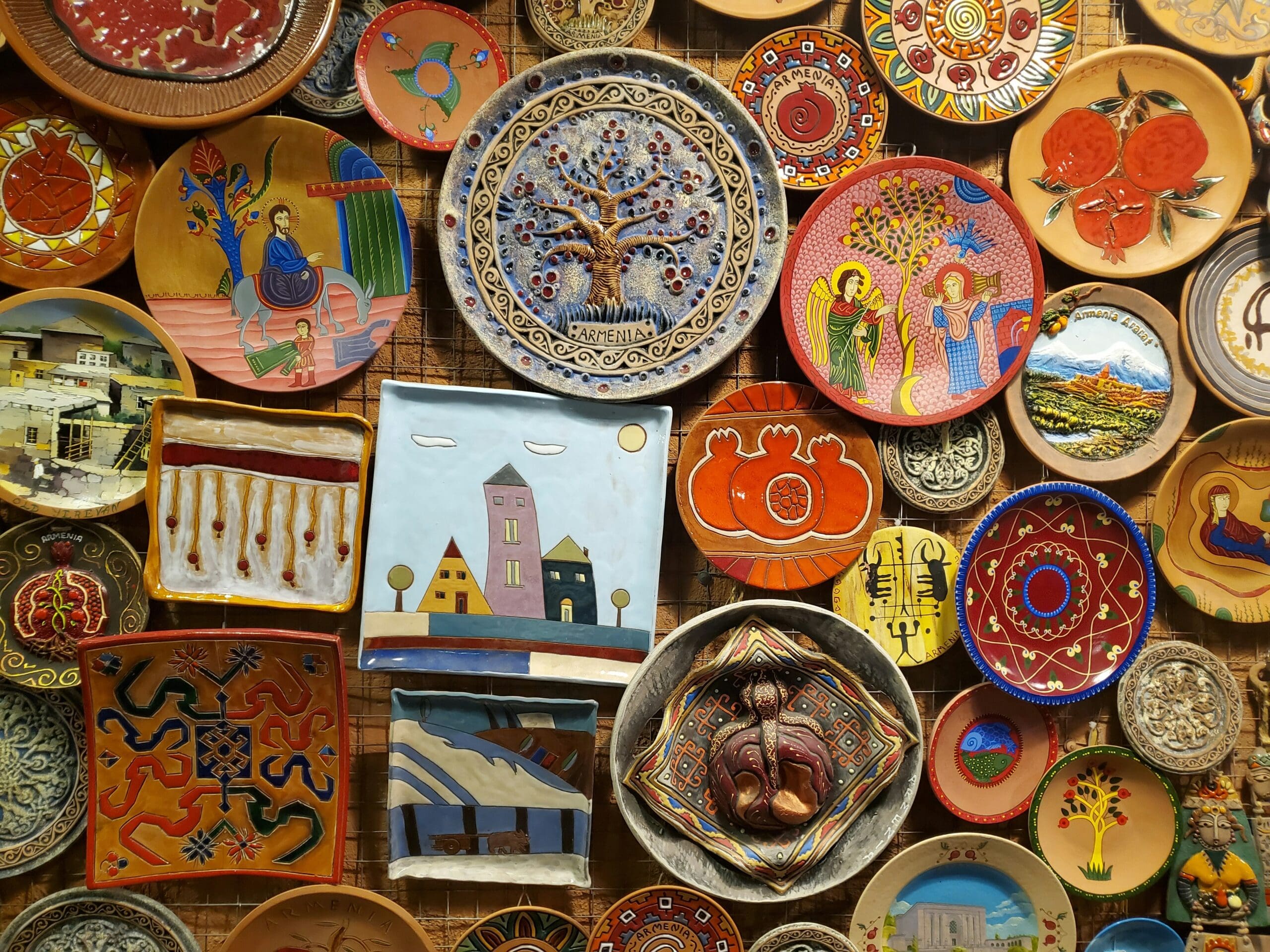
by Hasmik Ghazaryan Olson (https://unsplash.com/@find_something_pretty_everyday)
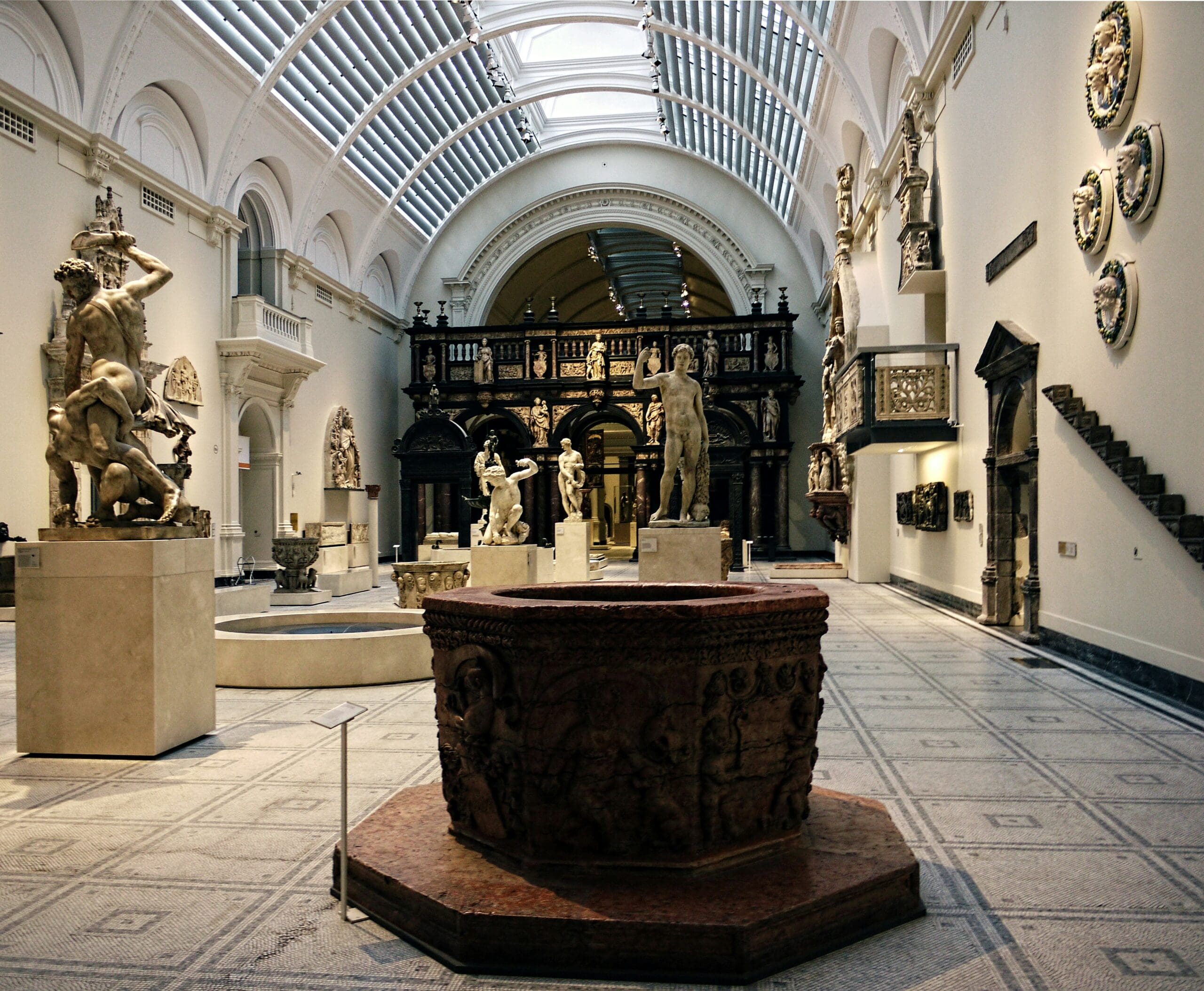
by Brett Jordan (https://unsplash.com/@brett_jordan)
Minoan Treasures: The Cradle of Cretan Culture
The Minoan civilization is the centerpiece of the Archaeological Museum of Chania. This civilization, which flourished between 3000 and 1450 BC, significantly influenced the Aegean.
Minoan treasures in the museum include magnificent ceramics that testify to the finest craftsmanship. These artifacts tell of a people who valued art and technology equally.
The delicate jewelry from this era is remarkable. It reflects the wealth and artistic refinement of the Minoans. These exquisite exhibits attract numerous visitors who wish to discover the origins of European civilization.
The exhibition also offers insights into the social and religious practices of the Minoans. It provides a glimpse into the daily life and spiritual values of this ancient culture.
Finds from the Hellenistic and Roman periods
The Hellenistic and Roman periods of Crete are represented by exciting artifacts in the museum. These findings provide insight into the cultural and social life of this era.
Of particular interest are ancient sculptures and statues. These works of art bear witness to the masterful command of form and aesthetics. They reflect the influence and cultural unity of these dynasties.
Roman mosaics in the museum are also significant. They depict scenes of daily life and myths, which enrich understanding of the society at the time. These works are an expression of Roman influence and Crete's enduring cultural flourishing.
Everyday Life and Crafts: Artifacts from Daily Life
The museum offers fascinating insights into ancient daily life. These exhibits reflect the craftsmanship and daily activities of past civilizations.
One area of the collection is dedicated to everyday objects. Visitors can view ancient tools and utensils. These objects illustrate how people lived and worked in ancient times.
Some of the notable everyday artifacts are:
- Ceramic pottery
- Home appliances and lamps
- Textiles and garments
These exhibits vividly bring the past closer. They offer a tangible connection to the people who once lived in these regions.
Special Highlights: The Most Famous Exhibits
The Archaeological Museum of Chania houses some of Crete's most impressive exhibits. These artifacts, with their historical significance and artistic beauty, attract many visitors year after year.
A famous highlight is the collection of Minoan jewelry. These delicate pieces made of gold and precious stones offer a fascinating glimpse into the Minoans' understanding of art. They underscore the wealth and craftsmanship of this ancient civilization.
Also noteworthy are the impressive ancient mosaics from the Roman period. These intricate floor pictures tell stories from mythology and everyday life. They are masterpieces of ancient craftsmanship and reflect the complex social structure of the society of that time.
Other outstanding exhibits include:
- Minoan pottery
- Greek Sculptures
- Roman coins
These treasures illustrate why the museum is one of the top attractions in Chania.
Modern Museum Experience: Interactivity, Accessibility, and Education
The Archaeological Museum of Chania is keeping up with the times and offers modern experiences for its visitors. Interactive displays and virtual tours make discovering history exciting and educational. These techniques help bring ancient stories to life and deepen the understanding of the exhibits.
Accessibility is also a focus. The museum is fully accessible, allowing all visitors to enjoy the exhibitions regardless of their needs. Special programs for children and families make a museum visit an experience for every age group.
Education is a central concern of the museum. In addition to regular workshops and lectures, visitors benefit from:
- Informative signs
- Audiovisual presentations
- Educational programs for school classes
Practical Information for Visitors
Before you visit the Archaeological Museum of Chania, it is important to familiarize yourself with the practical details. This will ensure that your visit goes smoothly and is enjoyable. The museum's accessibility and amenities make it an optimal choice for culture enthusiasts.
Anyone who wants to visit the museum will find it easily accessible and centrally located. You can get there by car or public transport. Ample parking is available nearby, and bus stops are in the immediate vicinity.
The museum offers flexible opening hours and affordable admission fees. Additionally, various guided tours are available to experience the rich collections more intensely. The staff is helpful and happy to answer any questions you may have.
Arrival and Location
The museum is located in the heart of Chania and is easily accessible. Numerous means of transportation are available:
- Public buses
- Taxi Options
- Nearby parking
Detailed directions can be found on the museum's website.
Opening hours, admission, and guided tours
Visitors are welcome year-round. Information on admission and tours:
- Open daily from 10:00 AM to 6:00 PM
- Reduced admission for children and seniors
- Group tours by appointment
Inquire in advance about special events and temporary exhibitions.
Tips for the perfect museum visit
A visit to the Archaeological Museum of Chania can be even more enriching with some helpful tips. It is advisable to set aside enough time for a comprehensive tour and to try out the interactive exhibits.
Here are some tips to make the most of your museum visit:
- Visit early in the day to avoid crowds.
- Use the audio and app tours for additional information.
- Find out about temporary exhibitions and events.
- Take a relaxing break in the cafeteria.
- Wear comfortable shoes for your tour.
With these tips, your visit will be not only informative but also enjoyable.
The Museum as a Cultural Meeting Point: Events, Workshops, and More
The Archaeological Museum of Chania is far more than just an exhibition of archaeological artifacts. It serves as a vibrant cultural meeting point where past and present merge. Regular events enrich the cultural life in Chania and offer a platform for the exchange of ideas.
The museum organizes various workshops and lectures aimed at both adults and children. These foster an awareness of archaeological topics and allow visitors to delve deeper into the subject matter.
Popular activities include:
- Creative Workshops for Families
- Lectures by archaeologists
- Interactive Children's Programs
- Temporary Art Exhibitions
Thanks to these versatile offerings, the museum is not only a place of learning but also of meeting and inspiration.
Conclusion: Why the Archaeological Museum of Chania is one of the top Chania attractions
The Archaeological Museum of Chania impresses with its unique collection and historic atmosphere. It offers a comprehensive insight into Crete's rich past. The combination of significant exhibits and the historic building creates an experience that fascinates history lovers and travelers alike.
This cultural attraction is a must-see for every visitor to Chania. With its diverse program and interactive elements, it draws people from all over the world. The museum embodies history and modernity in harmonious unity, remaining unforgettable and indispensable.