
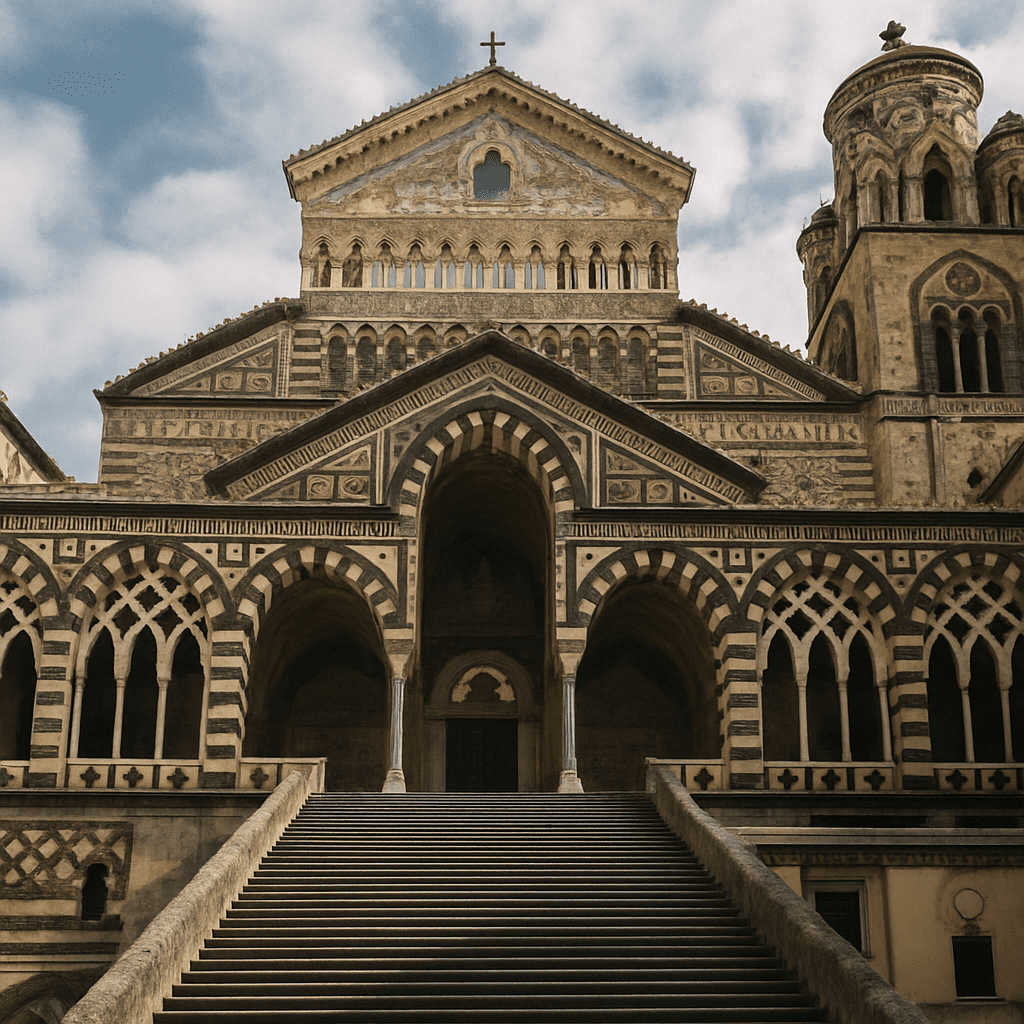
The Duomo di Sant’Andrea, also known as the Amalfi Cathedral, is an architectural gem. It stands majestically in the heart of Amalfi, drawing visitors from all over the world. This cathedral is not only a religious center but also a significant cultural landmark.
Built in the 9th century, the cathedral has a rich history. It has been remodeled several times over the centuries. Its architecture combines Romanesque, Byzantine, Gothic, and Baroque styles.
The impressive facade of the cathedral was restored in the 19th century. It is a prime example of the merging of different eras. The magnificent staircase with 62 steps leads to the entrance door and is a popular photo opportunity.
Inside the cathedral, visitors can expect intricate mosaics and frescoes. These artworks tell stories from the past and are a testament to craftsmanship. The crypt houses the relics of Saint Andrew, the patron saint of Amalfi.
The 12th-century bell tower is another highlight. It rises proudly above the city and offers a breathtaking view of the surrounding area. The cathedral is an active place of worship and attracts pilgrims from all over the world.
A visit to the Duomo di Sant’Andrea is a must for anyone exploring the Amalfi Coast. It is a symbol of Amalfi's cultural identity and a place where history and spirituality meet.
The Significance of the Duomo di Sant'Andrea for Amalfi
The Duomo di Sant’Andrea is far more than an architectural masterpiece. It plays a central role in the cultural and spiritual identity of Amalfi. The cathedral is a living part of the city's daily life.
As the heart of Amalfi's religious tradition, it is central to many celebrations. Particularly on November 30th, the feast day of Saint Andrew, the Cathedral is visited by pilgrims and locals alike. These celebrations underscore the deeply rooted religious beliefs of the community.
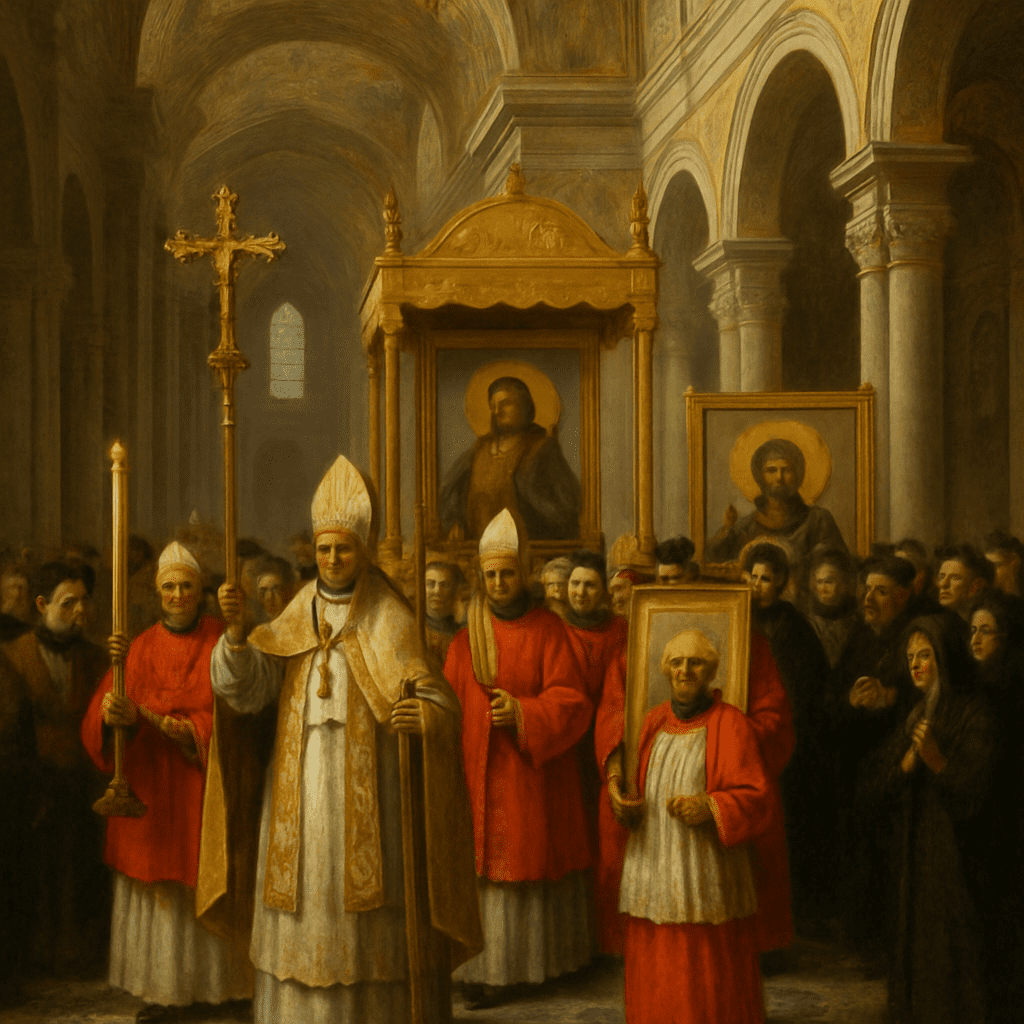
The cathedral attracts not only believers, but also history buffs and architecture fans. Its artworks and artifacts offer insights into the city's rich past. The cloister of Paradise reflects the influences of Arab-Norman architecture.
From an economic perspective, the cathedral is an important tourist magnet. It contributes to the renown of the Amalfi Coast and attracts thousands of visitors annually. These visitors strengthen the local economy by utilizing regional services and products.
In summary, the Duomo di Sant'Andrea is an indispensable pillar for Amalfi. It connects the city to its past while simultaneously serving as a vibrant center for religious and cultural activities.
History of the Cathedral: From its Beginnings to the Present Day
The history of the Duomo di Sant'Andrea dates back to the 9th century. Originally built as part of Amalfi's religious and cultural center, it reflects the region's eventful history. The influence of different eras and rulers is clearly evident.
Over the centuries, the cathedral has been remodeled multiple times. Each renovation brought new architectural elements. In the 13th century, it received a fascinating Byzantine influence that is still visible today.
In the 16th century, the cathedral was extensively renovated again. At this time, the Baroque style was introduced, which shaped the interior design. The remarkable facade that can be admired today was created in the 19th century.
A significant moment in the cathedral's history was the reception of the relics of Saint Andrew. These relics enhance the spiritual significance of the cathedral to this day. Pilgrims from all over the world come to honor the patron saint.
The Duomo di Sant’Andrea is not just a religious center. It is also a witness to political and social developments. During the era of the Maritime Republics, it played a key role in the life of the city.
Today, the cathedral is one of the most important sights on the Amalfi Coast. Tourists and locals alike appreciate its history and significance. It remains a vibrant symbol of Amalfi's rich traditions.
Architecture and Building Styles: A Unique Blend of Eras
The architecture of the Duomo di Sant’Andrea is a fascinating interplay of different styles. Over the centuries, it has absorbed and combined influences from various eras. This makes it a unique landmark of the city of Amalfi.
A remarkable aspect is the harmonious blend of Romanesque, Gothic, Byzantine, and Baroque elements. This diversity reflects Amalfi's rich history. Each architectural style has been integrated into the structure without compromising the harmony.
The Byzantine dome deserves special attention. It adds an exotic charm to the entire structure. The detailed mosaics are another example of artistic diversity. Their vibrant colors and intricate patterns attract visitors' attention.
Architectural Highlights:
- Byzantine dome with oriental influence
- Romanesque arches and columns
- Baroque chancel with magnificent embellishments
- Gothic pointed arches and windows
- Mosaics with religious scenes
The massive, Romanesque arches also contribute to the stability and grandeur of the cathedral. The combination of these elements is not only aesthetically pleasing but also technically impressive.
Overall, the architecture of the Duomo di Sant’Andrea embodies Amalfi's diverse cultural identity. It shows how art and craftsmanship from past eras merge into an integrated whole. This architectural diversity makes it a highlight among Amalfi's attractions.
The facade and the monumental staircase
The facade of the Duomo di Sant'Andrea is a magnificent sight. It was restored in the 19th century and shines with renewed splendor. Its design combines elements of various styles and captivates visitors.
Particularly impressive is the monumental staircase of the cathedral. It consists of 62 steps and leads majestically to the entrance door. This staircase symbolizes the transition from the secular to the sacred area of the cathedral.
The artistic marble cladding lends additional elegance to the facade. This magnificent exterior design attracts attention from afar. At the same time, it provides a first impression of the artistic splendor within.
The facade tells of history and artistry at the same time. Together with the staircase, it forms an inviting backdrop for the numerous visitors who explore the Amalfi Cathedral daily.
The Interior: Mosaics, Frescoes, and Artworks
The interior of the Duomo di Sant'Andrea is just as impressive as its facade. Here, art and spirituality merge, leaving every visitor in awe. The walls and ceilings are richly adorned with mosaics and frescoes.
The magnificent mosaics are a particular eye-catcher. These artworks tell biblical stories and shine in vibrant colors. They are a testament to the masterful craftsmanship of past eras.
Frescoes adorn the vaults and walls of the interior. These works add an additional dimension of religious grace to the sacred place. The frescoes invite lingering and contemplation.
Among the displayed artworks, some stand out. These include:
- Old paintings with sacred motifs
- Elaborately carved wooden figures
- Artistic glassworks
Every artwork complements the breathtaking atmosphere of the cathedral. The combination of mosaics, frescoes, and sculptures makes the interior unique and unforgettable.
The Crypt of Saint Andrew
The crypt of the Duomo di Sant'Andrea is of great importance. It houses the relics of Saint Andrew, the patron saint of Amalfi. This area of the cathedral is a significant site for pilgrims and the faithful.
The crypt impresses with its simple yet striking architecture. Its walls are adorned with magnificent frescoes depicting scenes from the saint's life. These paintings tell stories full of faith and devotion.
A visit to the crypt offers a profound spiritual experience. The quiet space invites deep meditation and reflection. Visitors feel the spiritual energy and historical significance here.
The Cloister of Paradise
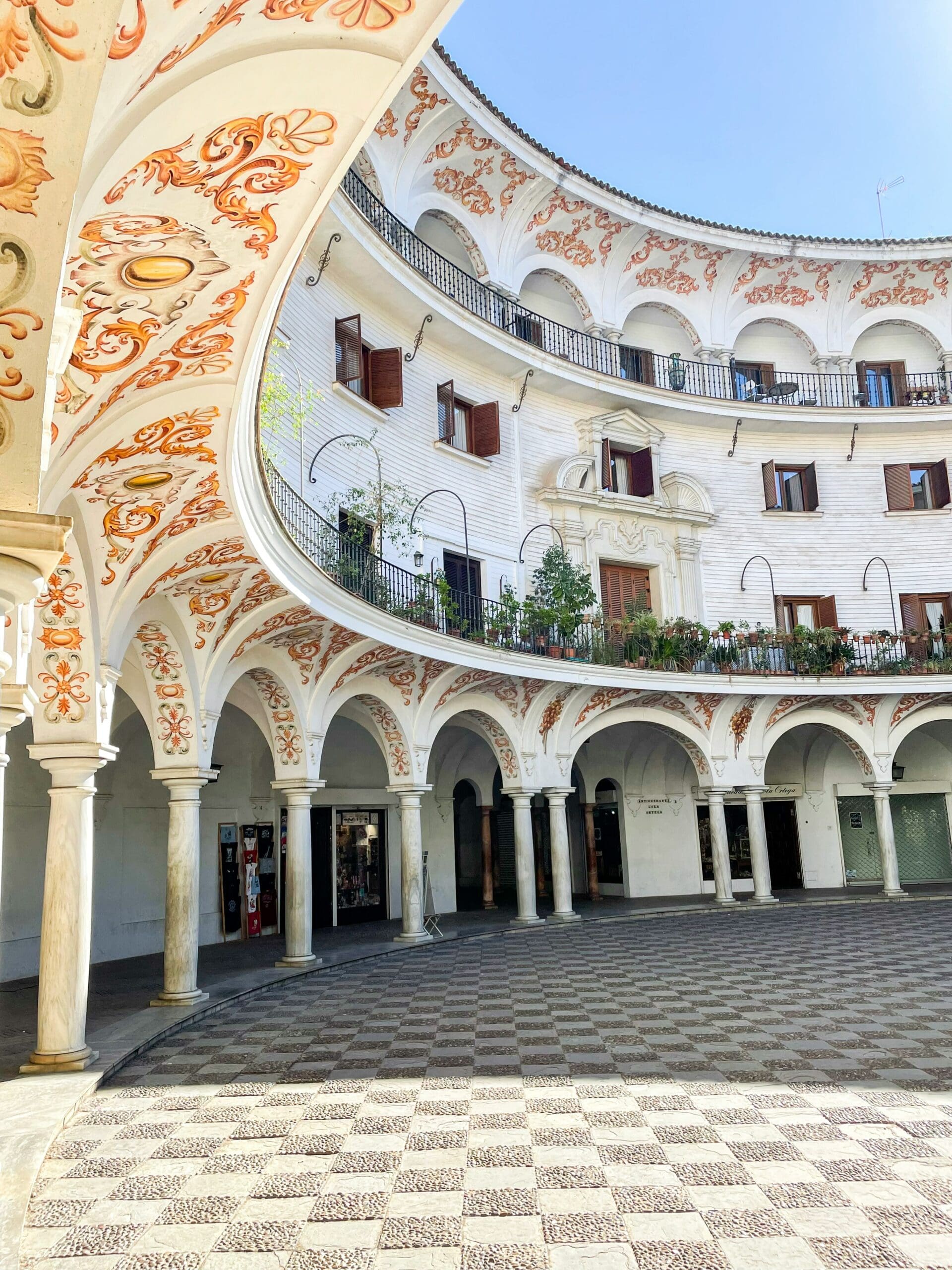
The Cloister of Paradise, also called Chiostro del Paradiso, is a fascinating part of the cathedral. It was built between 1266 and 1268. The cloister is an outstanding example of Arab-Norman architecture.
The name „Paradise“ reflects the breathtaking atmosphere this place offers. Marble columns surround the courtyard, creating a peaceful retreat. Visitors are often captivated by the elegant symmetry.
by Jessa Lundquist (https://unsplash.com/@jessalundquist)
The courtyard once served as a cemetery for the nobility of Amalfi. Today, the cloister is a peaceful place of reflection and a highlight of any tour. It is a place where history and beauty meet.
The Bell Tower and other architectural highlights
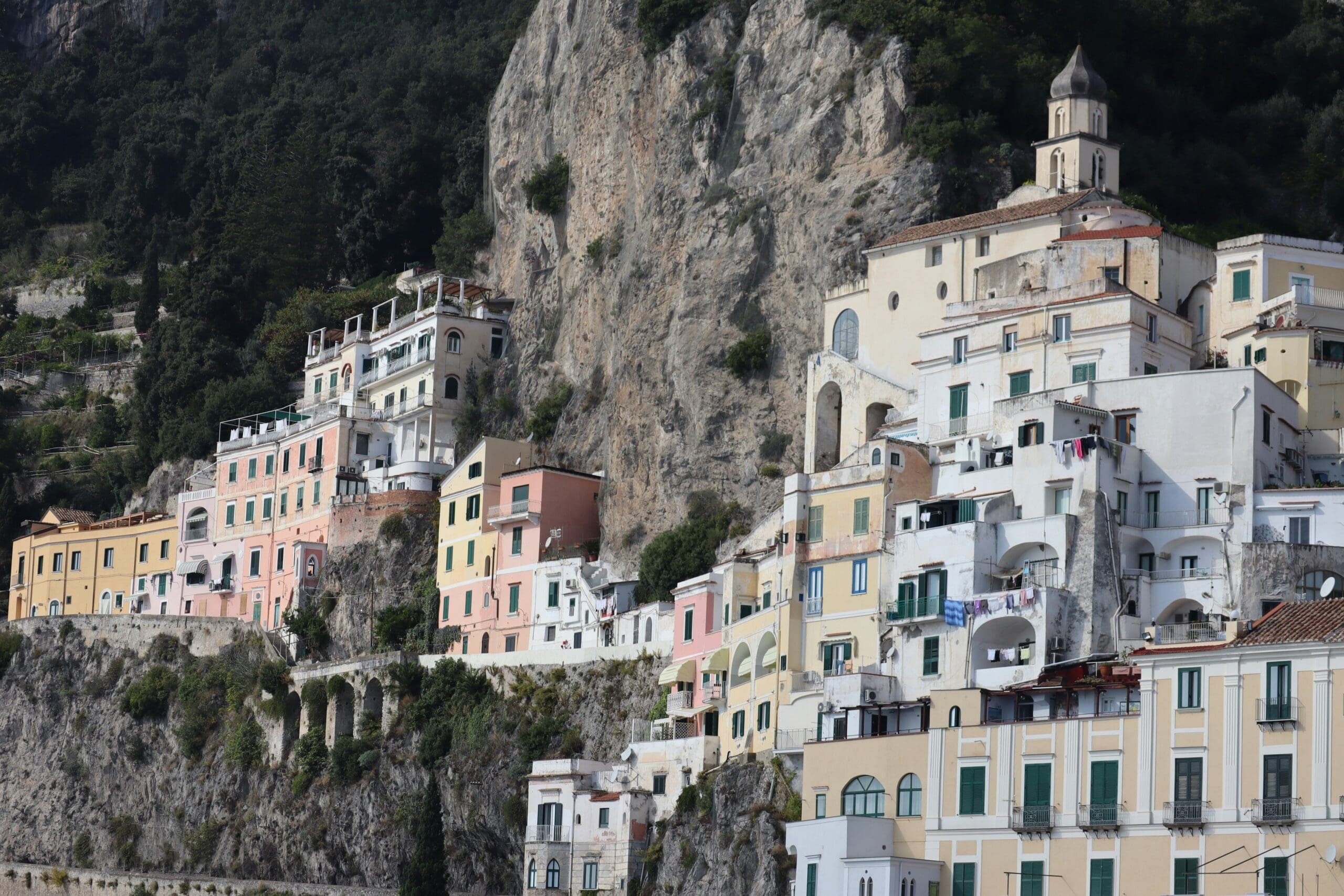
The imposing bell tower of the Duomo di Sant'Andrea is an essential part of the cathedral. It dates back to the 12th century. Its construction is a testament to Gothic architecture.
The bell tower dominates the Amalfi skyline with its height. The unique spire attracts the attention of visitors. From the top, there is a spectacular view of the surroundings.
by Christian Dübendorfer (https://unsplash.com/@christian_dubendorfer)
Besides the bell tower, the cathedral houses other architectural treasures. These include ornate mosaics and decorated capitals. These details make the visit an unforgettable experience.
The Cathedral as a Spiritual and Cultural Center
The Duomo di Sant’Andrea is far more than an architectural masterpiece. It serves as an active spiritual center for the residents of Amalfi. Regular services and religious festivals take place here.
However, the cathedral's cultural significance extends far beyond local religiosity. It is a melting pot of history and a monument to times past. Pilgrims and tourists alike appreciate this place.
The Duomo di Sant'Andrea offers:
- Regular services and masses
- Cultural events and concerts
- Religious festivals like the Feast of Saint Andrew
Practical Information for Visitors
The Duomo of Sant'Andrea can be visited for a small entrance fee. Opening hours vary depending on the season. Therefore, it is advisable to inquire in advance.
The cathedral is centrally located in Amalfi and easily accessible on foot. Nearby parking is also available if you are arriving by car.
For an unforgettable visit, please consider the following points:
- Check opening hours and admission prices in advance.
- Dressing appropriately
- Use guided tours for deeper insights
Tips for Your Visit: Photography, Festivals, and Guided Tours
The Duomo di Sant'Andrea offers numerous photo opportunities. The facade and the view from the stairs are particularly impressive. Use natural light for the best shots.
For a special experience, visit the cathedral during the celebration of Saint Andrew on November 30th. This feast is a highlight in Amalfi's calendar and offers a unique atmosphere.
Guided tours are ideal for better understanding the historical and cultural significance of the cathedral. These tours include important details about the architecture and history. Keep the following tips in mind:
- Choose the early morning hours for fewer crowds
- Look out for special events
- Think of a camera for unparalleled shots
The Duomo di Sant'Andrea as a symbol of the Amalfi Coast
The Duomo di Sant'Andrea represents the cultural soul of Amalfi. It stands majestically in the heart of the city, attracting visitors from all over the world.
This cathedral symbolizes the rich history and maritime influence of the region. Its significance as a landmark reflects the pride and heritage of the Amalfi Coast.
Conclusion: A must-see among Amalfi attractions
The Duomo di Sant'Andrea is an unmissable sight in Amalfi. Its rich history and impressive architecture make it a unique experience.
A visit to the cathedral offers the opportunity to immerse yourself in the culture and spirituality of the Amalfi Coast. Don't miss admiring this architectural marvel.