
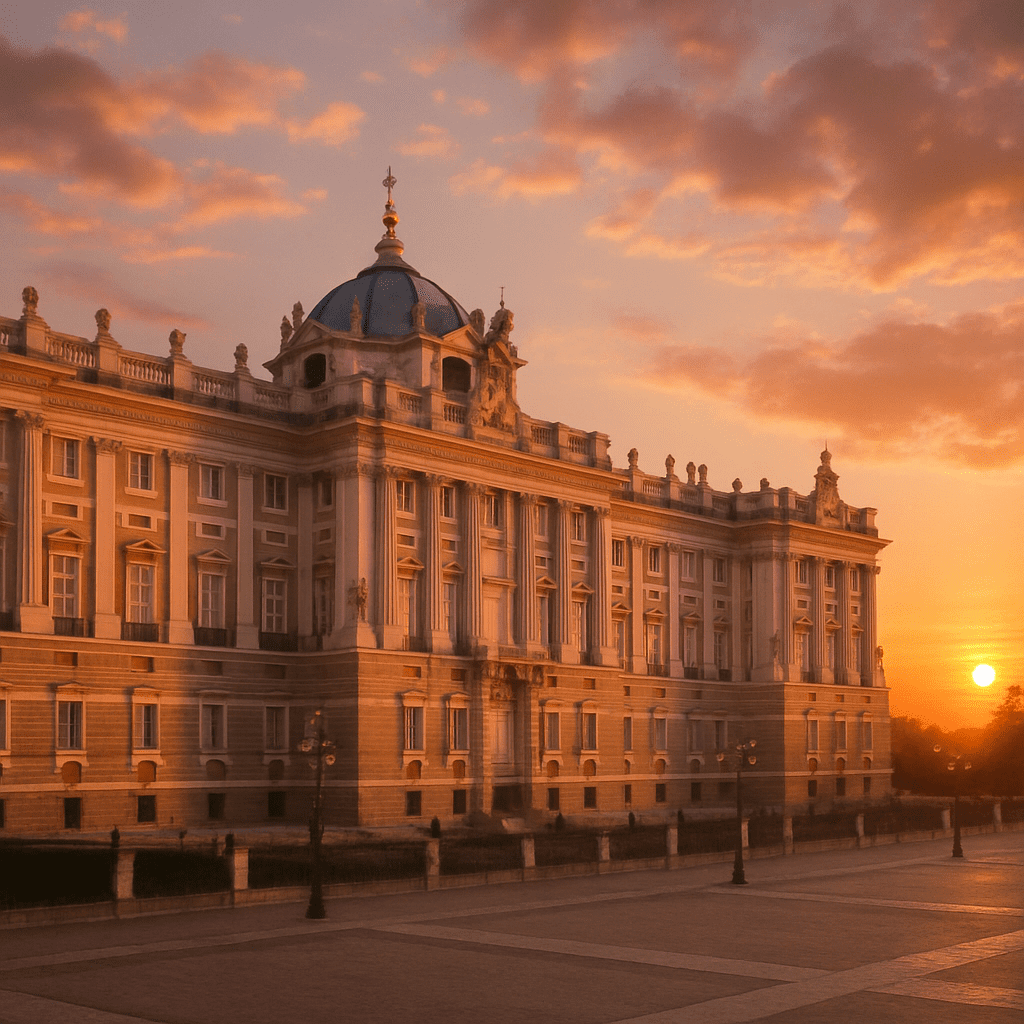
The Royal Palace in Madrid is a true jewel of the Spanish capital. It attracts millions of visitors annually. Its majestic presence and rich history make it a must-see for every traveler.
The Royal Palace of Madrid, also known as Palacio Real Madrid, is the official residence of the Spanish Royal Family. Although the royal family no longer resides here permanently, the palace is used for state ceremonies. This connection to the monarchy gives it special significance.
Built in the 18th century, the Royal Palace is one of the largest palaces in Europe. With over 3,000 rooms, it impresses with its sheer size and grandeur. Many of these rooms are open to the public, offering a glimpse into Spain's royal history.
The palace's architecture is a masterpiece of Baroque style with Neoclassical elements. The Italian architect Filippo Juvarra designed this impressive structure. Its elaborate details and ornamentation are a feast for the eyes.
The palace houses an impressive collection of artworks. Works by masters like Caravaggio and Velázquez can be admired here. These art treasures make the palace a cultural highlight.
Surrounded by the Sabatini Gardens and Campo del Moro, the palace also offers beautiful external grounds. These gardens invite you to linger and relax. They are a perfect place to enjoy the beauty of nature.
The Royal Palace is easily accessible by public transport. Its central location in the heart of Madrid makes it an ideal starting point for exploration. Visitors can tour the royal chambers, the armory, and the royal pharmacy.
The palace is a symbol of the Spanish monarchy and an important part of national identity. It is a place of history that has witnessed many significant events. A visit here is a journey through time.
Whether you're a history buff, an architecture enthusiast, or simply a curious traveler, the Royal Palace of Madrid will not disappoint. Its majestic beauty and rich history are unforgettable.
History of the Royal Palace (Madrid)
The history of the Royal Palace of Madrid begins with a disaster. In 1734, a fire destroyed the old Alcázar of Madrid. This misfortune opened doors for a new construction project.
Shortly thereafter, in 1738, construction began on the present-day palace. The Italian architect Filippo Juvarra was commissioned to design it. He was to create a magnificent symbol of royal power.
Juvarra could not complete the construction. His student, Giovanni Battista Sacchetti, continued the work. Sacchetti completed the construction in 1755, many years after the first groundbreaking.
The Spanish monarchy was delighted with the new residence. The palace symbolizes splendor and wealth. It shows Spain's growing self-confidence in the 18th century.
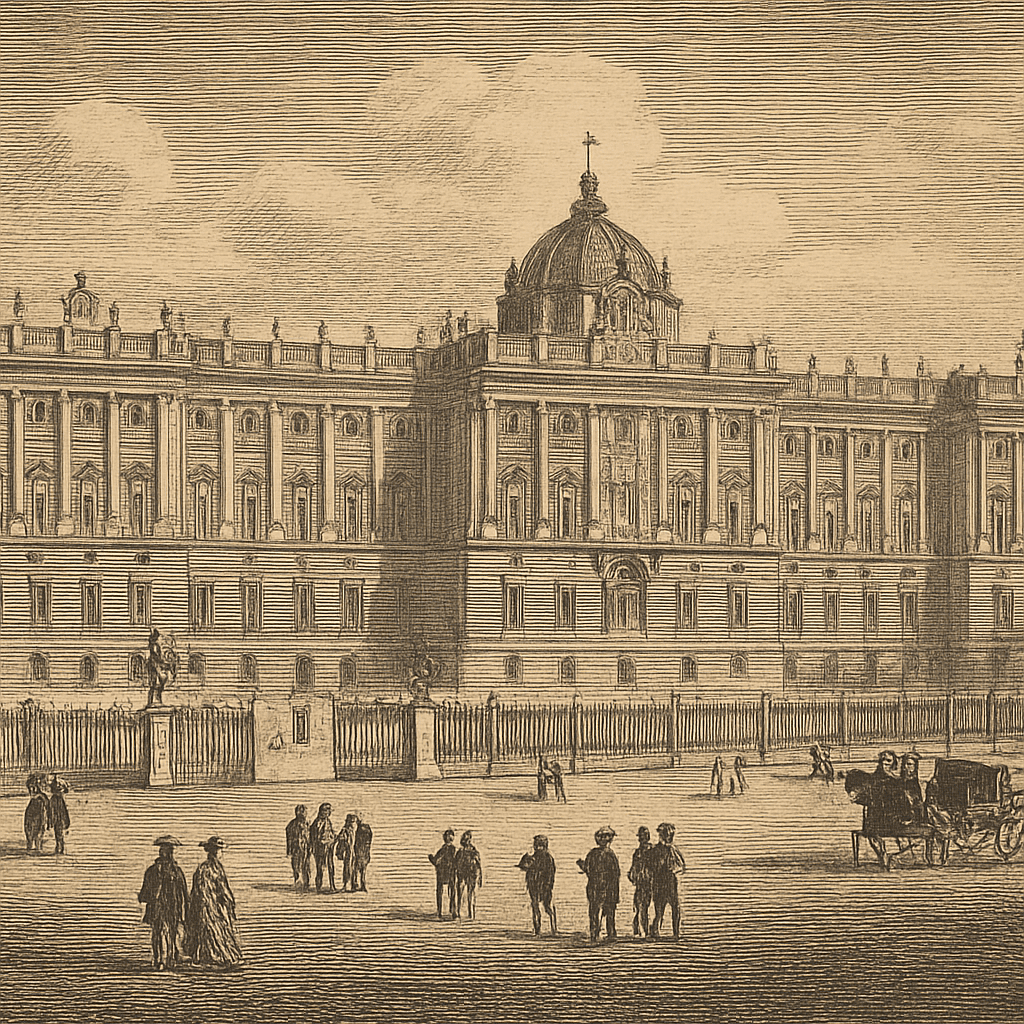
The palace has undergone numerous changes throughout its long history. It has witnessed many significant events. The coronation of monarchs and official state ceremonies are just a few of them.
In the 19th century, some alterations took place. These introduced Neoclassical elements into the Baroque architecture. The palace thus became a mix of different styles.
The palace is not only an architectural masterpiece. It is also a place of diplomacy. Many international meetings and conferences that influenced history took place here.
Important Milestones in History
- 1734: Fire destroys the Alcázar.
- 1738: Start of construction for the new palace.
- 1755: Completion of palace construction.
- 19th Century: Renovations and style changes.
- Present Use for state ceremonies.
Today, the Royal Palace stands as a symbol of the continuity of the Spanish monarchy. Its rich history attracts people from all over the world. Visitors can virtually feel the past during a tour of the palace. The palace is a living history book that traces the development of Spain. A visit is like a journey through the centuries.
Architecture and Art Treasures of the Royal Palace of Madrid
The Royal Palace of Madrid impresses with its magnificent architecture. The design combines Baroque style with Neoclassical elements. This blend makes the palace unique and fascinating.
The palace facade is made of granite-gray stone. Its majestic appearance immediately catches the eye. The facade appears both sublime and elegant.
Particularly noteworthy are the artfully designed columns. They frame the generous windows. These architectural details lend the structure sophistication.
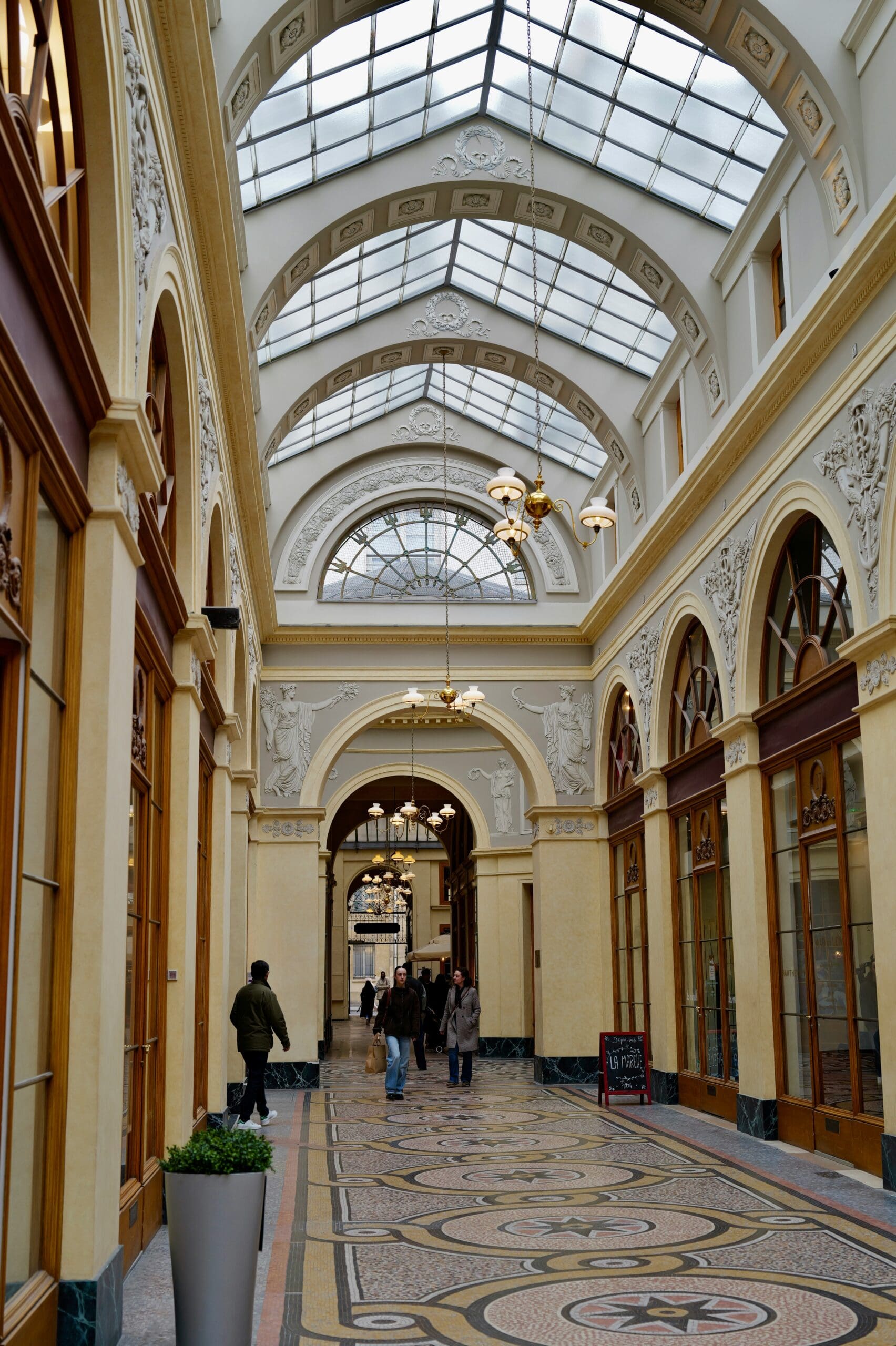
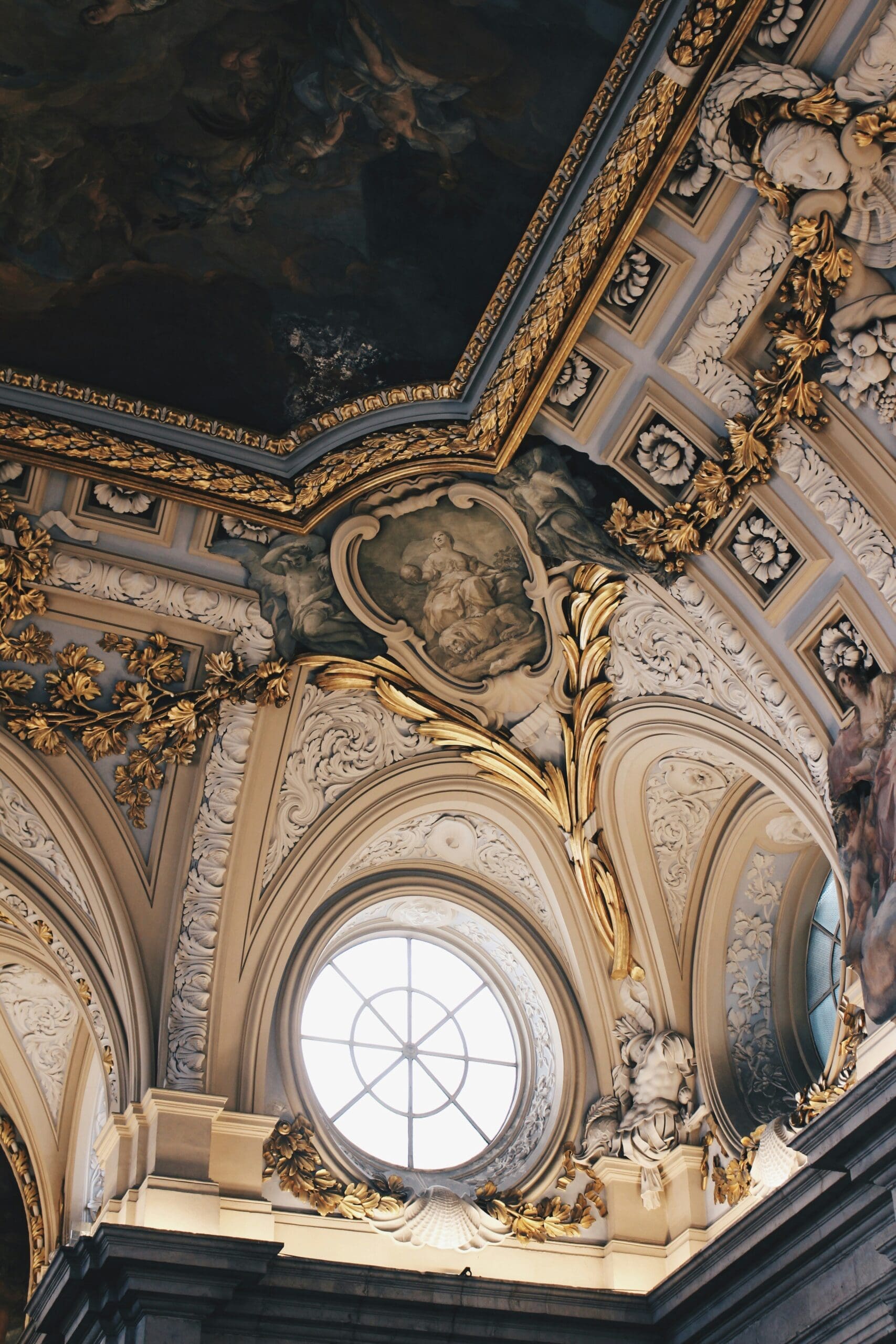
Inside, visitors can expect ornate rooms and opulent decorations. The palace boasts over 3,000 rooms. Every corner exudes its own kind of grandeur and elegance.
by Bruce Barrow (https://unsplash.com/@bruceb_uk)
Among the highlights is the impressive throne room. Here, opulent chandeliers and magnificent frescoes impress. This room is the centerpiece of royal power.
Another highlight is the royal chambers. Here, the splendor and luxury of past times reside. Visitors get an impression of the life of the monarchy.
The palace's art collection is also noteworthy. Works by masters such as Caravaggio and Velázquez adorn the walls. These artworks lend the rooms a special aura.
Special features of architecture and art
- Stilmix: Baroque and Neoclassicism.
- Facade Impressive and monumental.
- Interior Spaces Magnificent halls and chambers.
- Artworks Masterpieces by Caravaggio and Velázquez.
The palace also has an amazing chapel. The acoustic architecture of the room is a masterpiece. It is often used for concerts and performances.
A highlight of the art collection is the Porcelain Cabinet. It combines craftsmanship and representative power. Special artworks and sculptures adorn this room.
The palace unites not only art but also craftsmanship. The royal armory displays exquisite weapons and armor. Each piece is a testament to artisanal excellence.
The aromas of the 18th century permeate the royal pharmacy. Old remedies and medical instruments add depth to the visit. Everything is preserved to give visitors insight into the past.
The Royal Palace is an architectural and artistic gem. It stands as a proud testament to Spanish history and culture. A visit is a feast for the senses and a journey into the past.
The most important rooms and highlights in the Royal Palace of Madrid
The Royal Palace in Madrid fascinates with its magnificent rooms. Each hall tells its own story and reflects the wealth of the Spanish monarchy. Its splendor and elegance are impressive.
A standout highlight is the Throne Room. It embodies majestic splendor. High ceiling frescoes and opulent chandeliers dominate the room.
The mirror room is another attraction. Large mirrors enhance the lighting effect. This room is often used for receptions.
The royal chambers are also worth seeing. There you can experience the luxurious life of the royal family. The furniture and decorations transport you to earlier times.
The Royal Library impresses with its collection. Rare books and manuscripts fill the shelves. They offer an insight into the knowledge of past centuries.
A surprising highlight is the porcelain cabinet. It displays breathtaking porcelain works. The finest craftsmanship is particularly noteworthy here.
The palace armory should not be overlooked. A variety of historical weapons and armor are displayed here. They bear witness to Spain's military history.
Striking rooms and their highlights
- Throne room Ornate ceiling frescoes and chandeliers.
- Mirror space Impressive lighting effect with mirrors.
- Royal Chambers Luxurious furnishings and antique furniture.
- Library Collection of rare books and manuscripts.
- Porcelain Cabinet Finest porcelain art.
Another gem is the Royal Chapel. It's often used for ceremonies. Its acoustics and architecture are masterful.
The dining hall presents a sight of royal opulence. Large tables and fine silverware adorn the room. Feasts here are legendary and impressive.
The palace is remarkable not only on the inside but also on the outside. The terraces offer a breathtaking view of Madrid. They invite visitors to enjoy the beauty of the city.
Visitors should admire the old paintings adorning the corridors. Each painting tells a story of the past. These artworks offer deep insights into Spain's history.
The Royal Palace in Madrid is a true architectural wonder. Its opulent rooms and fascinating highlights make it a must-see. A visit guarantees unforgettable impressions and lasting memories.
The Royal Gardens: Sabatini Gardens and Campo del Moro
Located directly next to the majestic Royal Palace, the royal gardens invite you for a leisurely stroll. A contrast to the palace's magnificent architecture. The Sabatini Gardens and Campo del Moro offer an oasis of tranquility.
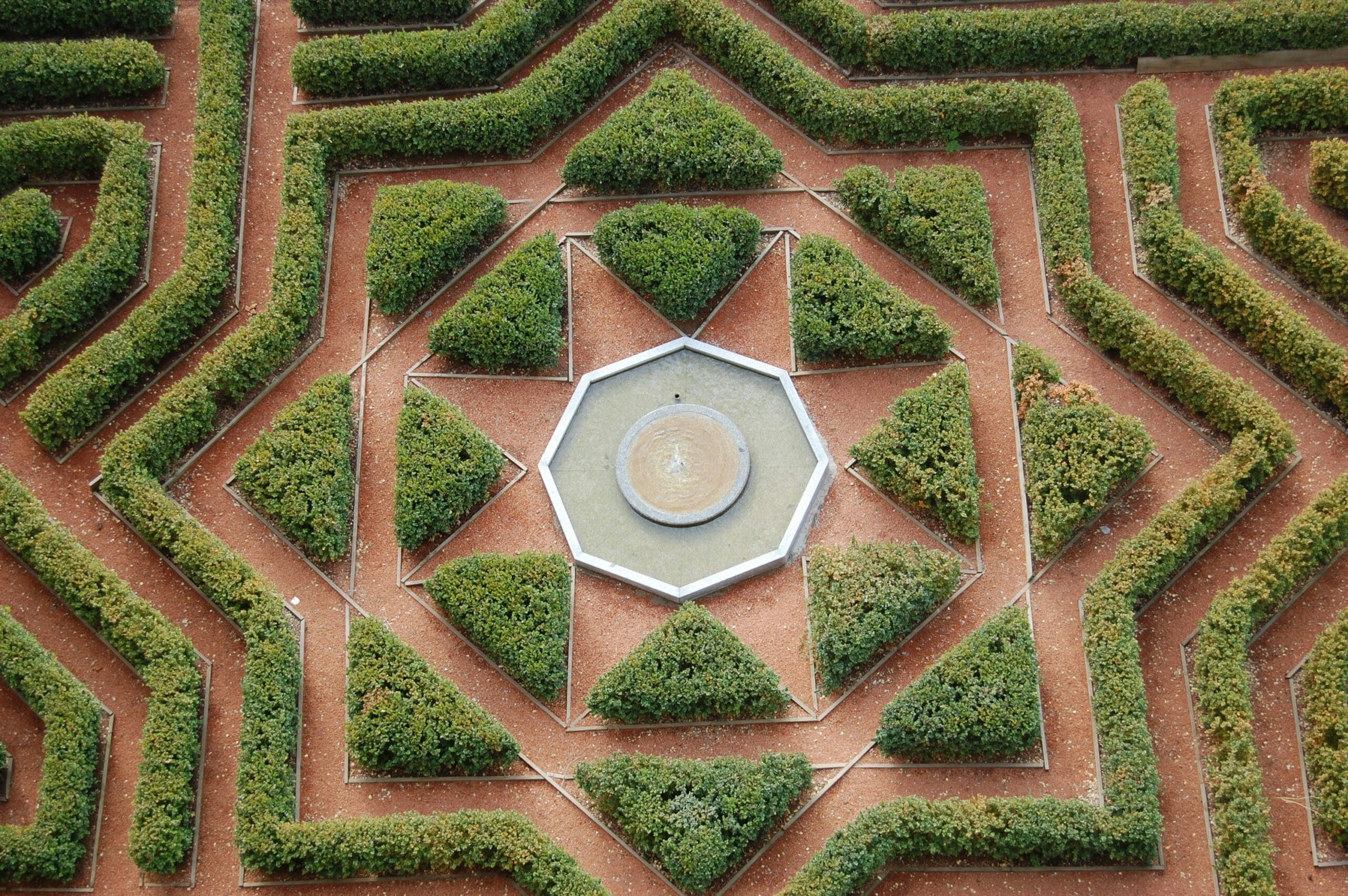
The Sabatini Gardens are a typical example of geometric garden art. They were designed in the Italian style and are named after architect Sabatini. These gardens impress with precisely cut hedges and symmetrical arrangements.
A fountain surrounded by statues forms the centerpiece. Geometric flower beds are arranged around the fountain. This arrangement offers a harmonious sight.
by Fr. Daniel Ciucci (https://unsplash.com/@dannyboy4125)
The Campo del Moro connects history with natural beauty. The garden extends to the Manzanares River. Its name comes from the legend of a Moorish encampment.
Unlike the Sabatini Gardens, Campo del Moro is wilder. Gentle hills and shaded paths characterize the landscape. Many exotic tree and plant species grow here.
Special features of the royal gardens
- Sabatini Gardens Italian style, geometric beds, symmetrical.
- Campo del Moro Close to nature, rolling hills, exotic plants.
These gardens offer not only beauty but also history. They are perfect retreats amidst the bustling capital of Spain. A walk here allows visitors to forget the stresses of everyday life.
From the gardens, there is an impressive view of the palace. They are accessible all year round and are an ideal place to relax. A visit is worthwhile at any time of year.
The Role of the Palace in the Spanish Monarchy and History
The Royal Palace in Madrid is not just a magnificent structure. It also plays a central role in the history of Spain. As the official residence of the Spanish royal family, it is at the heart of many historical events.
Although the royal family lives elsewhere today, the palace is still used for state occasions. This underscores its importance as a representative site of the monarchy. Official receptions and ceremonies are regularly held here.
The architecture of the palace reflects the wealth of the Spanish monarchy. Built in the 18th century, it stands as a symbol of the splendor of past eras. Impressive rooms, such as the throne room, bear witness to this.
by Simi Iluyomade (https://unsplash.com/@simisola)
The significance of the palace in Spanish history
- Cultural heritage Symbol of Spanish identity.
- Historic Setting for numerous historical events.
- Representation Place of official state ceremonies.
Throughout history, the palace has witnessed many political turns. Monarchs ruled from here, and important decisions were made. The palace rooms have endured turbulent times, including wars and political upheavals.
The building itself stands on the ruins of the old Alcázar of Madrid. This fell victim to a devastating fire in 1734. The reconstruction was a project of national importance.
Not only monarchs, but also state guests from all over the world were received at the palace. This strengthened Spain's diplomatic relations. The palace is a connecting element between the past and the present.
Today it serves as a museum and attracts numerous tourists. Its doors are open to the public, thereby keeping history alive. The palace remains a central chapter in the Spanish monarchy and a valuable cultural heritage.
Practical Information for Visitors
A visit to the Royal Palace of Madrid offers fascinating insights into Spanish history and architecture. Before planning your visit, it is helpful to consider some practical details.
The Royal Palace is located in the heart of Madrid. It is easily accessible by public transport, including the metro and several bus lines. This makes it easy to reach even for those visiting Madrid for the first time.
by Pourya Gohari (https://unsplash.com/@Pourya)
Ticket prices and discounts
- Adults Regular admission price.
- Discounts: Students, Seniors, Children.
- Free admission: On certain days or for special occasions.
The palace's visiting hours vary depending on the season and day of the week. The palace is usually open daily, except on some holidays and for special occasions.
Within the palace, visitors can explore well-known areas. These include the royal chambers, the armory, and the impressive library. Each offers unique historical insights.
For those who want to learn more about the palace's history, audio guides are available. These come in multiple languages and offer details on the most important rooms and artifacts.
Special offers for visitors
- Guided Tours Available in different languages.
- Audio guides For self-guided explorations.
- Gastronomy Cafés nearby for a break.
Photography is permitted in many areas during your visit. However, it is advisable to inquire about specific restrictions. Special events can sometimes affect access to certain areas.
A walk through the surrounding gardens offers a welcome break. The Sabatini Gardens and Campo del Moro invite you to relax. Both offer picturesque views and are easily accessible from the palace.
The palace shop offers a selection of souvenirs. Here you will find books, replicas, and other mementos. They are perfect for travelers who want to take a piece of history home with them.
Planning your palace visit in advance can save a lot of time. Booking online tickets is an advantage to avoid queues. This allows for a stress-free and enjoyable visit.
Tours, Tickets, and Opening Hours
A visit to the Royal Palace of Madrid offers a variety of discovery tours and experiences. Depending on your interests, you can choose between different guided tour options.
Leadership Options
- Guided Tours Professionals will guide you through the palace's history and architecture.
- Special Tours Themed tours focusing on art or architecture.
The guided tours offer you deeper insights into the Spanish monarchy and the history of the palace. They usually cover the most impressive rooms such as the Throne Room and the Royal Chapel.
Audio guides are available for independent explorers. These are ideal if you want to move at your own pace and still want informative details about the art treasures and palace architecture.
Tickets for the palace visit can be conveniently purchased online. This is especially recommended as it avoids long queues at the ticket counters and allows for quick entry.
Ticket Categories
- Adult ticket: Standard price.
- Discounted tickets: Available for specific groups such as children and seniors.
The palace is usually open seven days a week. The opening hours vary slightly depending on the season, so it is advisable to check the exact times in advance.
To make your visit as enjoyable as possible, you should plan your arrival for times that are less crowded. Early mornings or late afternoons are often the best times to avoid the crowds.
Please remember that during special occasions or royal events, some areas of the palace may be inaccessible. For information on restrictions or additional closure days, please refer to the palace's official website.
Book your tickets in advance and plan your visit carefully. This way, you can ensure that you can discover all the treasures of the Royal Palace at your leisure.
Events, ceremonies, and the changing of the guard
The Royal Palace in Madrid is not only an architectural marvel but also a vibrant venue for diverse events. These events are often intertwined with the history and traditions of the Spanish monarchy, offering unique insights into this rich cultural past.
The Changing of the Guard at the Royal Palace is one of the most popular attractions for visitors. This impressive ceremony takes place regularly and attracts both tourists and locals. It offers a fascinating spectacle that brings traditional military practice to life.
Popular Events
- Military parades: In honor of national holidays.
- Cultural Performances: Musical and artistic performances in a magnificent setting.
- Receipts State receptions to welcome international dignitaries.
Besides the changing of the guard, the palace hosts numerous cultural performances. These events offer a mix of classical music, modern art, and traditional dances, making the palace a vibrant hub of art and culture.
During celebrations surrounding national holidays, spectacular military parades are often held. Such events offer a great insight into Spain's national identity and pride, while simultaneously highlighting the historical role of the palace. Participation in or observation of such events can be an unforgettable experience.
Tips for visiting and insider recommendations
A visit to the Royal Palace of Madrid can be an unforgettable experience. To help you make the most of your visit, we've compiled some tips and insider recommendations. These will help you avoid crowds and discover the palace's hidden treasures.
One of the best times to visit the palace is in the early morning. At this time, the crowds are still small, and you can enjoy the magnificent rooms in peace. Purchasing tickets online in advance can help you skip long queues.
Packing list for the visit
- Comfortable shoes The palace tour can be long.
- Camera: Photography is permitted outdoors.
- Water bottle Especially indispensable in summer.
Another insider tip is to join a guided tour. These tours offer deeper insights into the palace's history and architecture and are often available in multiple languages. An experienced guide can point out details you might otherwise miss on your own.
To enhance your visit, it is recommended to plan a stroll through the royal gardens. The Sabatini Gardens offer a breathtaking view of the palace and are ideal for a quiet moment of reflection. The Campo del Moro, on the other hand, provides a natural setting and invites you to linger.
Food and Drink
- Picnic in the park: Enjoy local delicacies outdoors.
- Local Cafés: Try churros with chocolate nearby.
Don't forget to plan time for exploring the area around the palace. The area is rich in history and culture. A walk around the palace offers the opportunity to discover other significant Madrid sights.
The Royal Palace as part of Madrid's attractions
The Royal Palace of Madrid is an essential part of Madrid's attractions. It offers a captivating blend of architecture, history, and culture. Its splendor makes it a major draw for travelers from all over the world.
As the largest royal palace in Europe, the Palacio Real Madrid impresses not only with its size. The facade impressively combines Baroque and Neoclassical elements. A walk around the palace reveals its grandiose dimensions and elaborate details.
More Madrid sights nearby
- Plaza Mayor A historic heart of the city.
- Puerta del Sol Lively city center with numerous shops.
- Almudena Cathedral: An architectural masterpiece next to the palace.
Near the palace is the lively Plaza de Oriente. It invites you to linger with its statues and well-kept gardens. The Almudena Cathedral, right next to the palace, attracts with its modern architecture and inner elegance.
A visit to the Royal Palace is often the highlight of a trip to Madrid. Its location in the heart of the city makes it easily accessible. Such a visit not only offers a glimpse into Spain's royal history but also a chance to experience the vibrant atmosphere of Madrid.
Conclusion: Why the Royal Palace of Madrid is a must-see
The Royal Palace in Madrid is far more than just a magnificent building. It symbolizes the essence of Spanish history and culture. Its impressive interior and spacious grounds make every visit an unforgettable experience.
The artistic architecture and significant collection of artworks offer fascinating insights into Spain's royal past. This place uniquely combines tradition with grandeur, making it a paradise for history and art lovers.
Every corner of the palace tells its own story, and the majestic atmosphere is omnipresent. The opportunity to explore such an important cultural site in the heart of Madrid is invaluable.
Therefore, the Royal Palace of Madrid is an absolute highlight of any trip. It offers not only magnificent views but also deep historical insights. Don't miss the opportunity to discover this iconic treasure.