

The Malaga Cathedral is an architectural gem in the heart of Andalusia. It attracts visitors from all over the world. Its history is fascinating and rich in cultural influences.
Construction began in 1528 and took centuries. The cathedral stands on the remains of an old mosque. This transformation reflects the region's turbulent history.
The cathedral is lovingly called „La Manquita.“ This means „the one-armed woman,“ as its second tower remained unfinished. This unfinished beauty gives it a unique charm.
Architecturally, the cathedral combines Gothic, Renaissance, and Baroque elements. This mixture makes it a masterpiece of Spanish architecture. The facade is a prime example of the Spanish Renaissance.
Inside, magnificent wood carvings and an impressive choir stall impress. The cathedral's organ is among the largest in Spain. It is often used for concerts and attracts music lovers.
The cathedral is not just a religious center. It is also an important cultural landmark of Malaga. Its significance extends far beyond the city limits.
The Origins: From Mosque to Cathedral
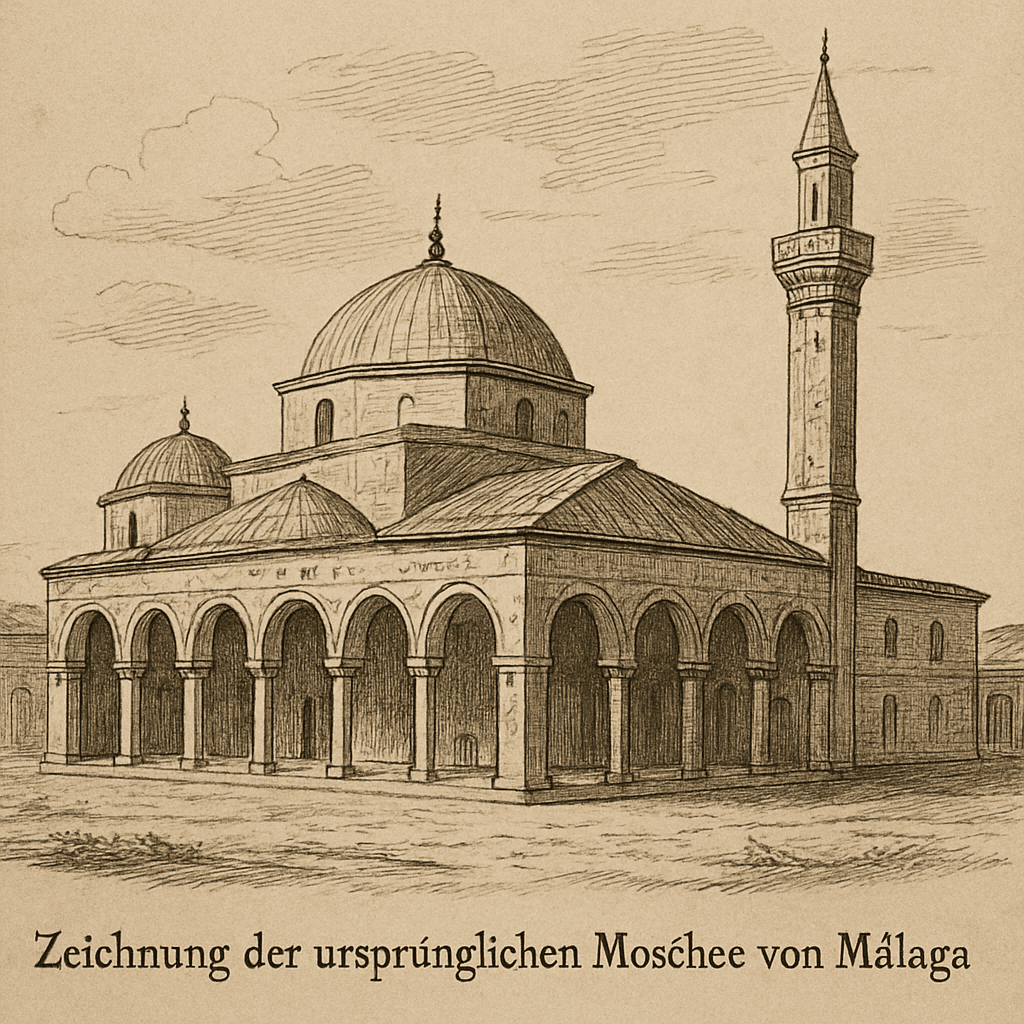
The Málaga Cathedral dates back to the 8th century. At that time, a significant mosque stood in its place. This served as the central house of prayer for the Moorish community.
With the Reconquista of Málaga by the Christians in 1487, times changed. The mosque was demolished to make way for a church. A symbolic act that marked the beginning of a new era.
The construction of today's cathedral began in 1528. This was part of Christian efforts to showcase their architectural presence. The choice of location was therefore of great symbolic significance.
The transition from mosque to cathedral reflected the cultural and religious changes. Many such transformations took place in Spain during this period. The fusion of these cultures can still be seen today in the architecture of the cathedral.
Key points:
- Originally an 8th-century mosque
- Christian Reconquest 1487
- Cathedral construction began 1528
The surroundings of the cathedral tell many stories. They offer evidence of the past and invite exploration.
The Long Road of Construction: 1528 to the 18th Century
The construction of Málaga Cathedral was a lengthy undertaking. Work began in 1528, but obstacles led to long delays. Financial difficulties were one of the main causes.
The political upheavals of that time also contributed to delays. In the 17th century, work almost came to a standstill. This was due to the unrest that gripped all of Europe.
Construction work resumed in the 18th century. Important progress was made during this time. Nevertheless, the cathedral remained incomplete.
A list of challenges during construction:
- Financial difficulties
- Political unrest and wars
- Technical Challenges of Construction
- Supply of building materials
Despite these difficulties, architectural masterpieces were created. The construction phases spanned several centuries. The cathedral's one-armed structure is a symbol of its unfinished history.
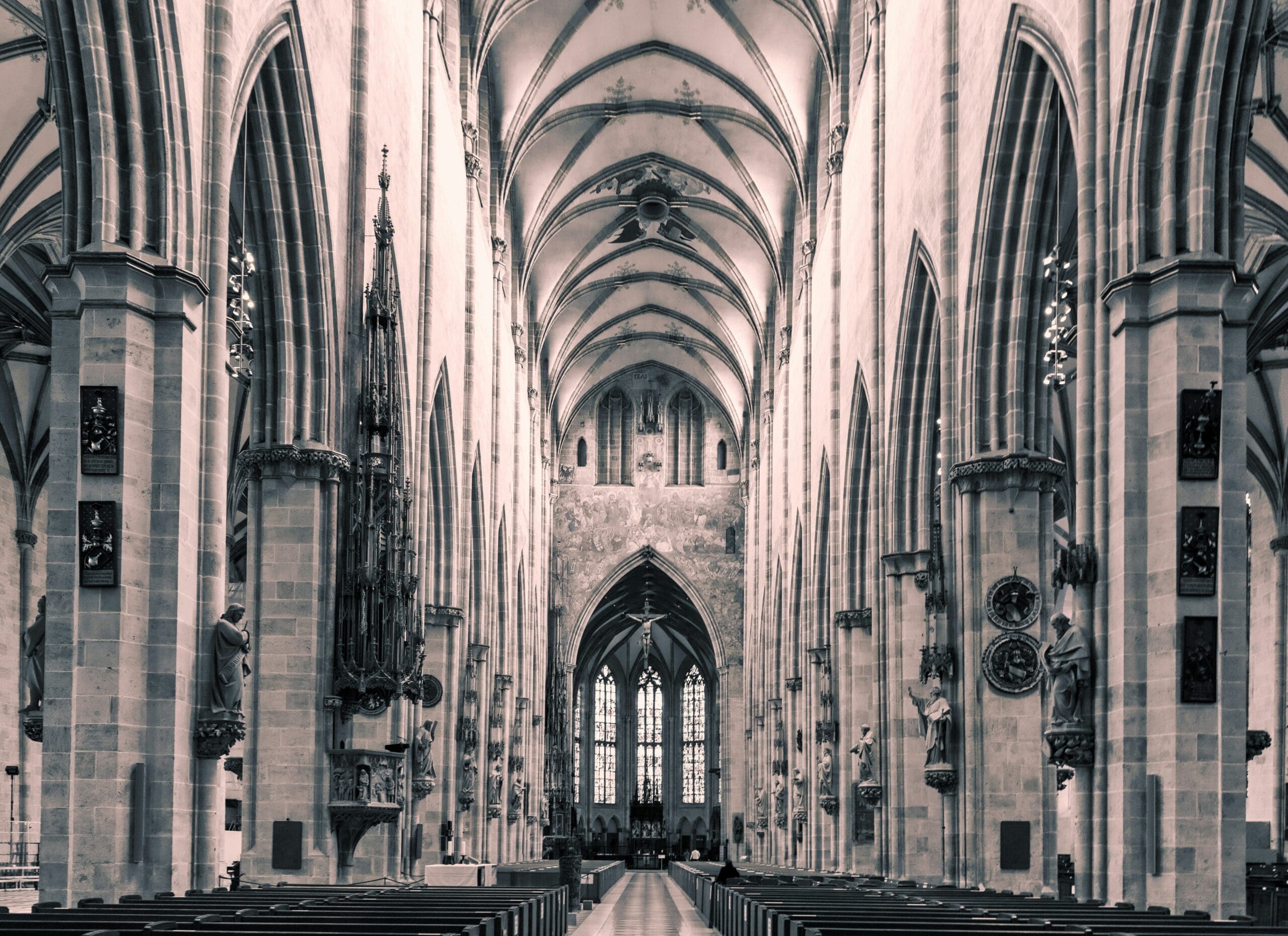
By 1782, the main altar and significant parts of the interior were completed. This represented an important milestone that further solidified the cathedral's significance. However, final completion remained an unfulfilled goal.
by Wolfgang Weiser (https://unsplash.com/@hamburgmeinefreundin)
Architectural Features and Stylistic Elements
The Málaga Cathedral is a fascinating example of architectural fusion. It combines Gothic, Renaissance, and Baroque elements in one structure. This blend makes it unique in Andalusia.
Its facade is an outstanding feature of Spanish Renaissance architecture. The artistically designed portals are eye-catching. The elegant columns emphasize the splendor of the building.
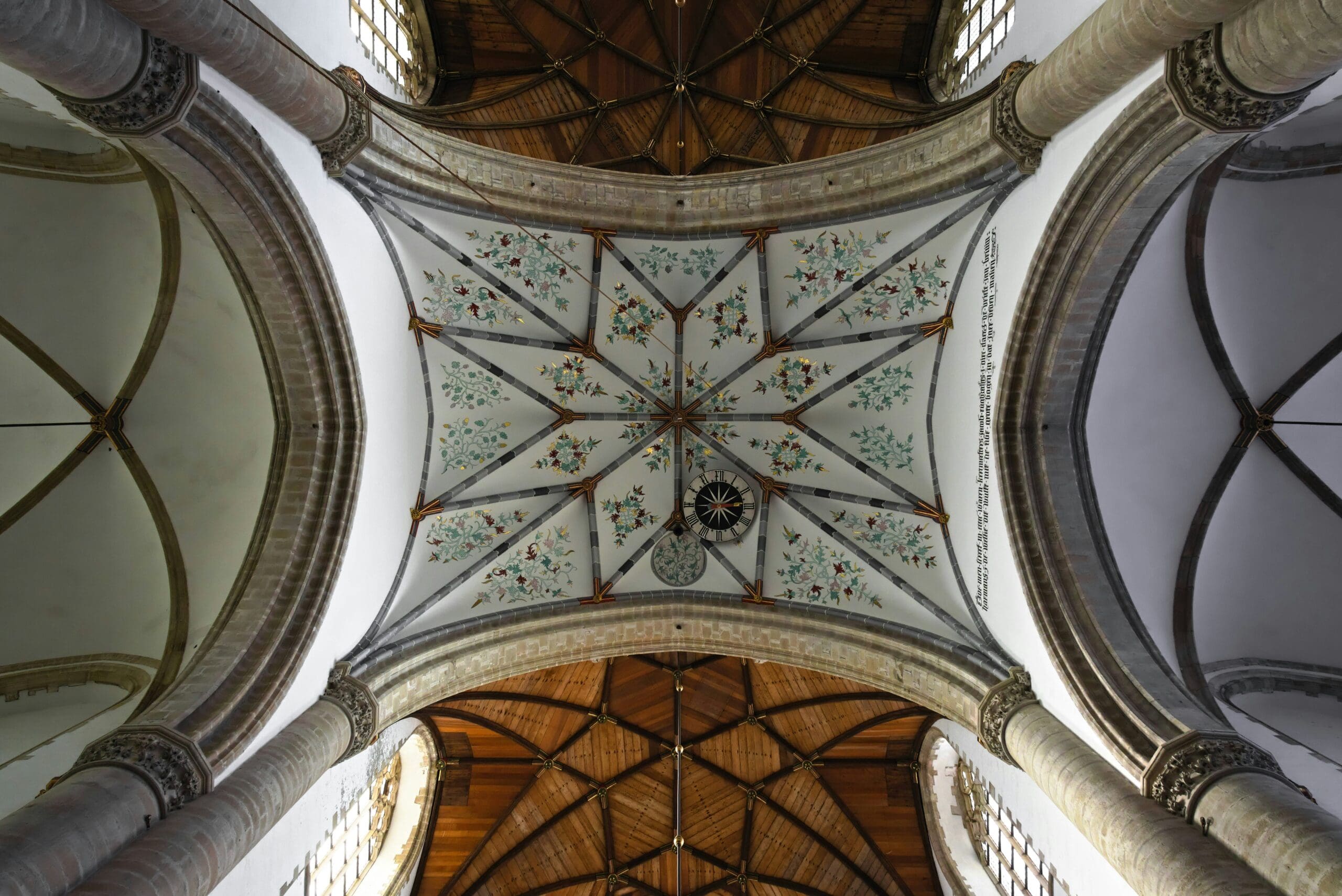
Inside, baroque details impress visitors. The ceiling is sumptuously designed, with elaborate decorations. These are typical of the Baroque era.
The Gothic elements are evident in the pointed arched window openings. These allow for impressive light ingress. They lend the cathedral a mystical atmosphere.
A list of notable architectural elements:
- Gothic pointed arch windows
- Renaissance facade
- Baroque ceiling decorations
- Imposing columns
The large dome is particularly highlighted. It dominates the cityscape with its presence. From the outside, it appears majestic and sublime.
The cathedral's architectural diversity is impressive. It reflects Málaga's rich and complex history. The cathedral remains an architectural masterpiece of its time.
by Raik Loesche (https://unsplash.com/@raik_digital)
The „One-Armed“ Bandit: The Unfinished Masterpiece
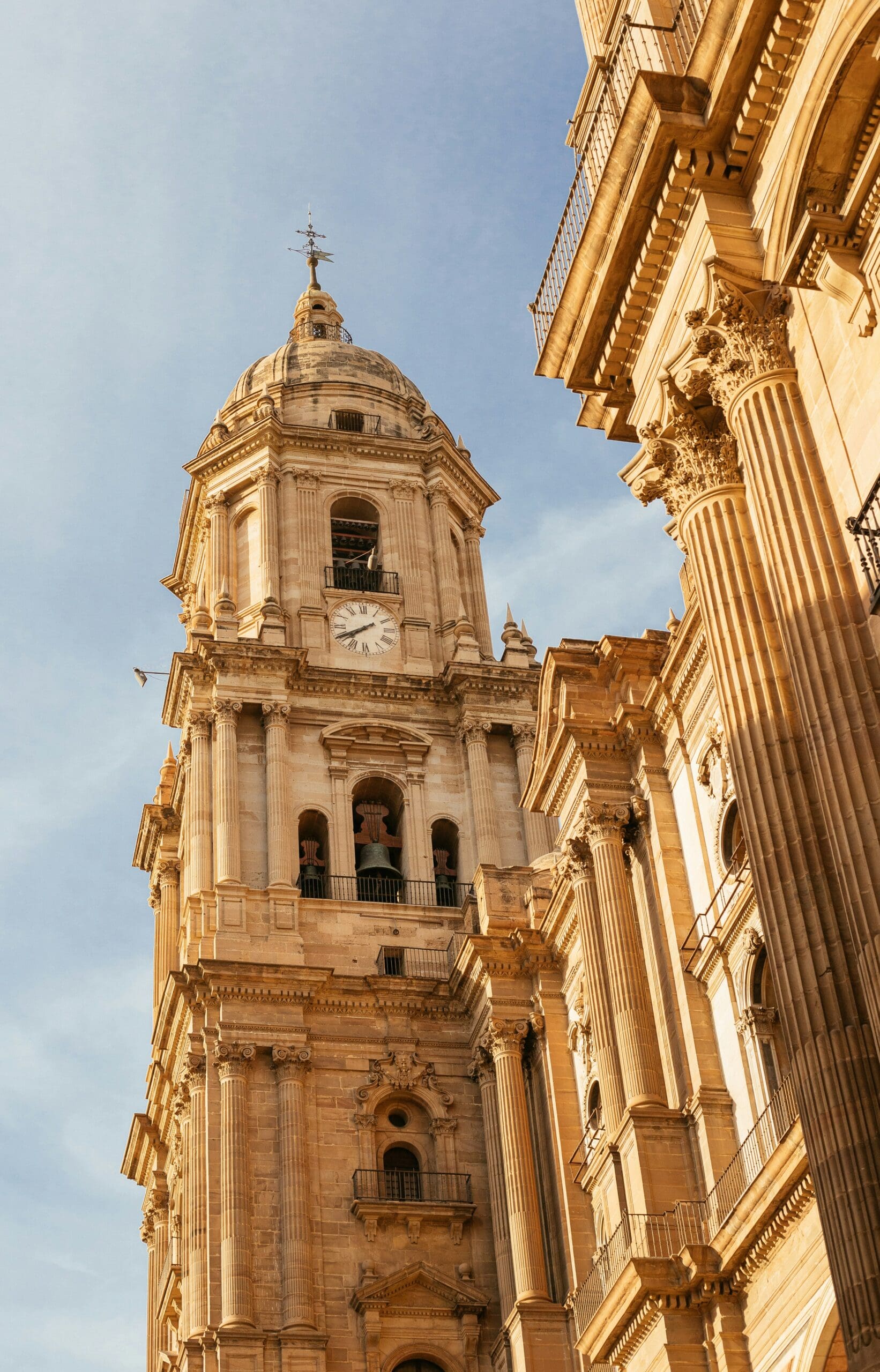
The Málaga Cathedral is affectionately nicknamed „La Manquita.“ Translated, that means „the one-armed woman.“ This name comes from its missing second tower.
Construction of the cathedral began in 1528. However, financial bottlenecks occurred over the centuries. These halted the construction of the second tower.
Political and social unrest also delayed completion. As a result, the cathedral remains unfinished. Nevertheless, it embodies an impressive example of Baroque splendor.
In 1855, construction was officially declared unfinished. Despite its lack of completion, it is an architectural marvel. Tourists and locals alike are captivated by its uniqueness.
The unfinished tower gives the cathedral character. It sets it apart from other cathedrals. The incompleteness is seen as a symbol of the city's resilience.
The cathedral is not just a structure; it is a landmark. It symbolizes Malaga's cultural strength and endurance. The „One-Armed Woman“ remains an indispensable part of Malaga's history.
by Yuliya Matuzava (https://unsplash.com/@juliamatuzova)
Art treasures and the interior of the cathedral
The interior of the Malaga Cathedral is as spectacular as its facade. Inside, numerous works of art confirm its reputation as a cultural center.
The finely crafted wood carvings are particularly impressive. The choir stalls are an outstanding example of this. They impress with their attention to detail and craftsmanship.
The cathedral houses a variety of valuable paintings and sculptures. These artworks come from masters of the Renaissance and Baroque periods. They are characterized by their expressiveness and meticulous detail.
Additionally, the cathedral possesses one of the largest organs in Spain. It is regularly used for concerts. Visitors can enjoy impressive sounds and compositions.
Within the sacred halls, one can also find liturgical garments. These fabrics bear witness to the craftsmanship of past eras. They are richly decorated and well-preserved.
The following elements make the interior special:
- Wood carvings and choir stalls
- Renaissance and Baroque Paintings
- Impressive organ
- Precious sculptures
- Liturgical vestments
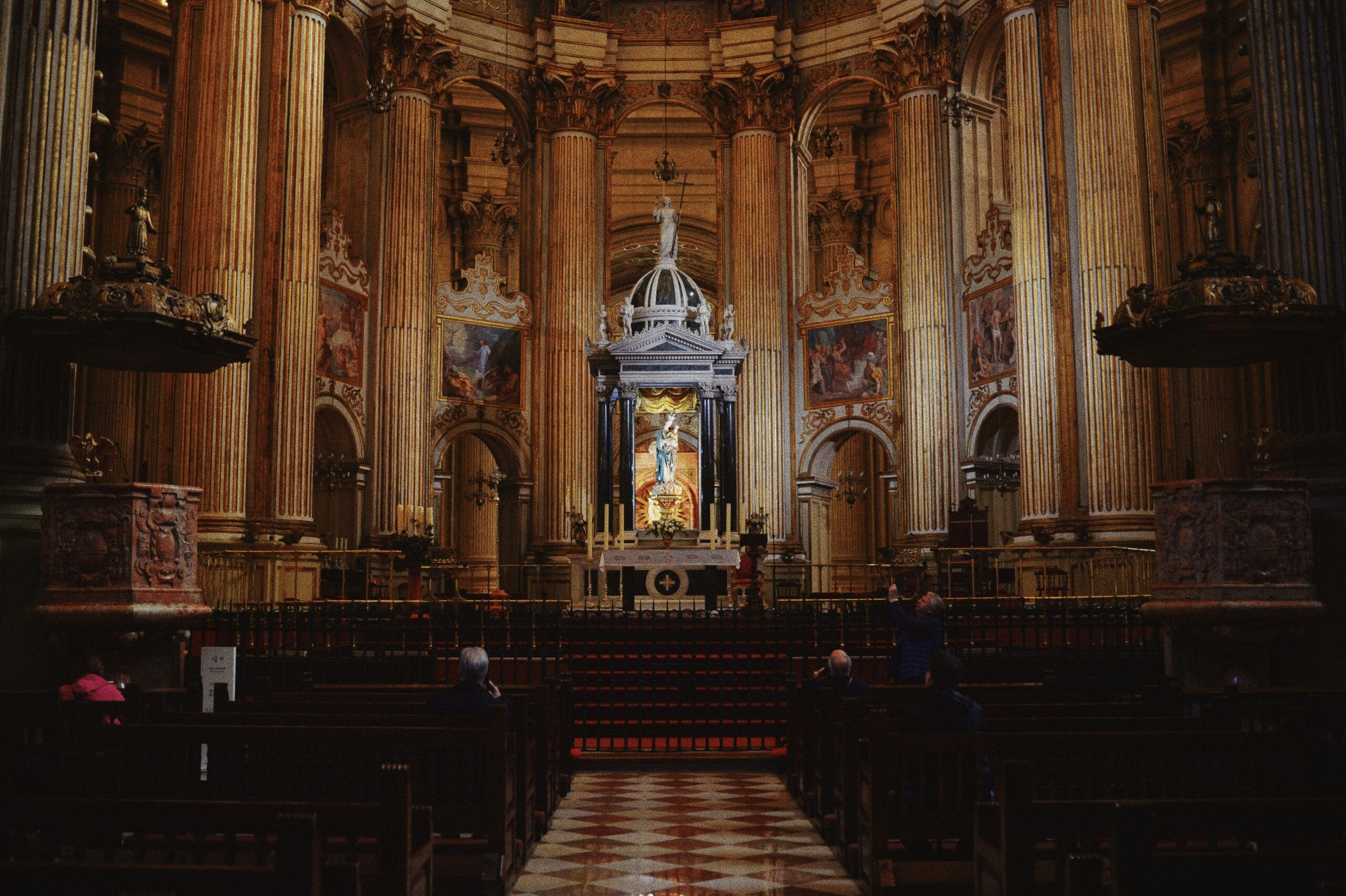
by Joel Casey (https://unsplash.com/@jocat77)
The Cathedral as a Cultural and Religious Center
The Málaga Cathedral is more than an architectural gem. It is a vibrant center of religious life in the city. Important ceremonies have been taking place here for centuries.
Religious festivals and processions enliven the cathedral throughout the year. The cathedral is a central site, especially during Holy Week. People from all over the world come to experience these celebrations.
The cathedral is also a meeting point for believers and tourists. Here, tradition and modernity meet in a harmonious way. Visitors can feel the historical significance of the place.
Regular concerts make the cathedral a cultural magnet. The acoustics and atmosphere are unique. Music lovers come to enjoy unforgettable sonic experiences.
Artists and writers find inspiration in the cathedral. The connection of art, history, and spirituality stimulates creativity. Many works created here carry the spirit of Malaga out into the world.
Ultimately, the cathedral is a place of contemplation. In the midst of the bustling city, it offers space for peace and reflection. Visitors find a moment of tranquility here.
The Cathedral Today: A Landmark and Symbol of Malaga
Today, the Málaga Cathedral rises majestically in the heart of the city. It is one of Málaga's most visited sights. Every year, it attracts thousands of tourists.
It's not just architecture enthusiasts who admire this building. History lovers will also find plenty to discover here. The cathedral tells many stories from different eras.
A visit to the cathedral offers an unforgettable experience. The impressive facade and the artistic details captivate the gaze. The interior of the cathedral also fascinates visitors.
The cathedral is not just a tourist highlight. It is also an important symbol for the city and its inhabitants. A place that embodies identity and pride.
A remarkable feature of the cathedral is the opportunity to walk on the roof. From there, you get a breathtaking panoramic view of Málaga. This is a must-do for any visitor.
The following features are particularly impressive:
- The unfinished tower element, called „La Manquita“
- The majestic organ with its full sound
- The richly detailed wood carvings and the magnificent choir stalls
Practical Tips for Visitors
When visiting the Málaga Cathedral, there are some important tips. These will help you to fully enjoy the experience. Good preparation is essential.
Plan to come early in the day. This way you will avoid long queues and crowds. The morning often offers a more relaxed atmosphere.
Opening hours vary depending on the season. Therefore, please check the current hours in advance. This will save you unnecessary disappointment.
Important points to consider:
- Wear comfortable shoes
- Check admission prices in advance
- Clarify photo permission
- Book guided tours for detailed insights
Don't forget to round off your visit with a trip to the rooftop. This offers an unforgettable view over Málaga and the surrounding area.

by Quino Al (https://unsplash.com/@quinoal)
Conclusion: The Malaga Cathedral as a living heritage
The Málaga Cathedral is far more than just an impressive structure. It is a living symbol of the city's history and culture. Its architecture combines centuries of Spanish art.
As one of Málaga's most significant sights, it attracts visitors from all over the world. Its unique unfinished structure tells its own story. This „One-armed“ is another reason why it remains memorable.
A visit to the cathedral leaves a lasting impression. Its rich history and cultural significance make it unforgettable. A must-see for anyone who wants to understand the city and its heritage.