
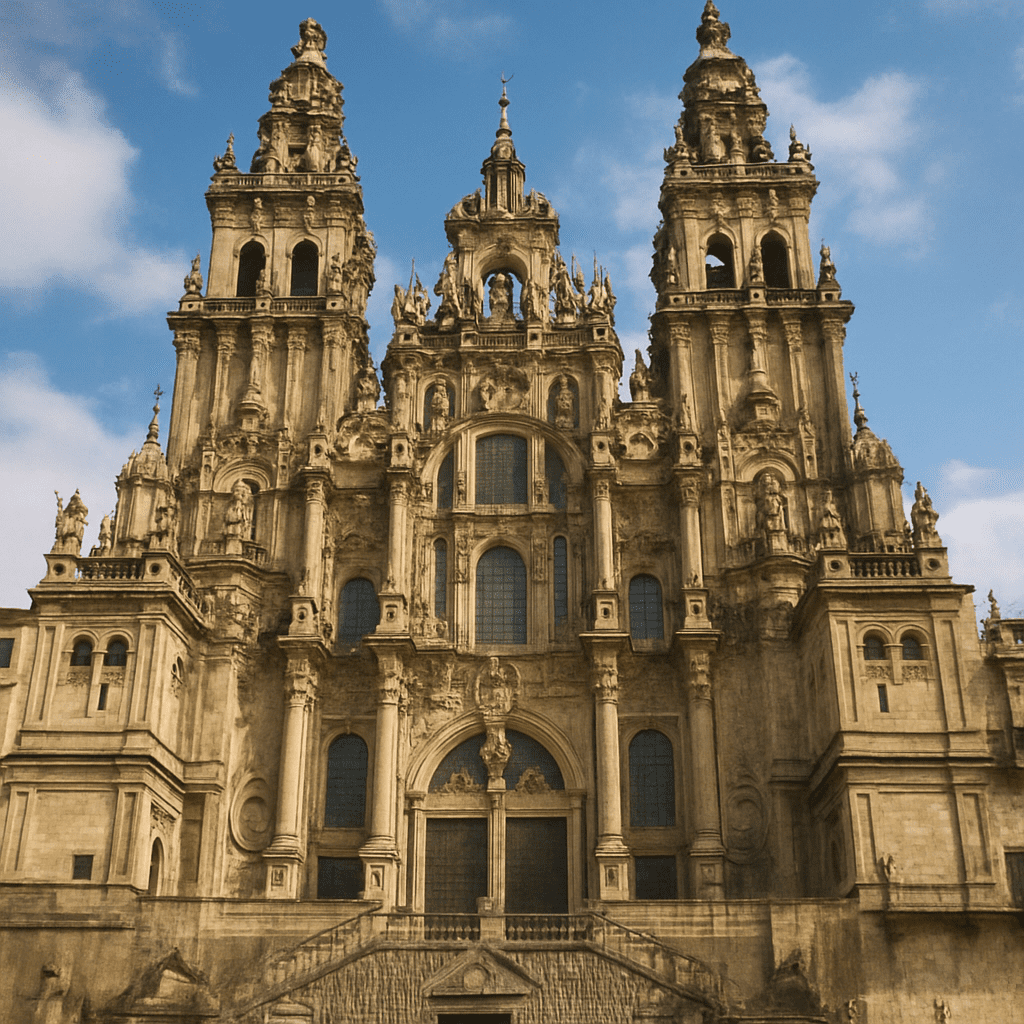
The Museum of the Cathedral of Santiago de Compostela is a fascinating place full of history and art. It is located within the famous Cathedral of Santiago de Compostela, one of the most important Christian pilgrimage destinations worldwide. The cathedral is the endpoint of the Camino de Santiago, which attracts millions of pilgrims annually.
The museum offers a deep insight into the rich history and architecture of the cathedral. Visitors can admire an impressive collection of religious artworks and artifacts. These include medieval sculptures, paintings, and liturgical vestments.
The cathedral itself is a masterpiece of Romanesque architecture with Gothic and Baroque elements. Construction began in 1075 and was completed in the 12th century. The cathedral's facade is an iconic example of Baroque architecture.
The museum offers guided tours that explain the history and significance of the cathedral. There are also special exhibitions focusing on specific aspects of the cathedral and its history. The cathedral is a UNESCO World Heritage Site and a symbol of the Christian faith and European culture.
A highlight of the cathedral is the Pórtico da Glória, a Romanesque masterpiece. The museum also contains archaeological finds from the area surrounding the cathedral. Visitors can explore the cathedral's crypt and treasury.
The museum is an important place for the preservation and research of the cathedral's history. It offers interactive exhibits that bring the cathedral's history to life. Admission to the museum supports the preservation of the cathedral.
The Cathedral of Santiago de Compostela is an architectural and spiritual marvel. The museum is a must-see for any visitor to Santiago de Compostela. It also offers information about the Camino de Santiago and its significance.
The Cathedral of Santiago de Compostela: An Overview
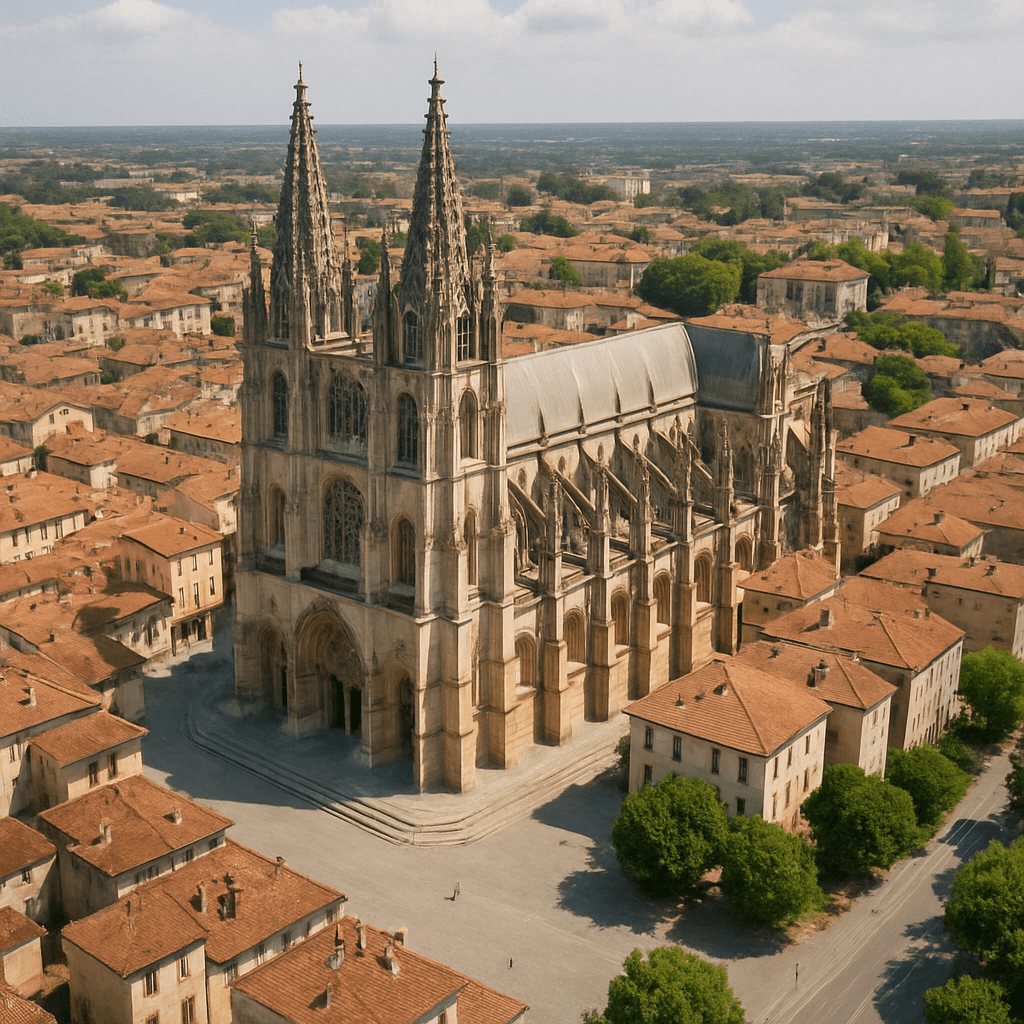
The Cathedral of Santiago de Compostela is one of Europe's most impressive religious structures. It proudly sits at the heart of Galicia, a region rich in Spanish history. This iconic landmark has attracted pilgrims from all over the world for centuries.
Its construction began in 1075 under the reign of Alfonso VI. Its completion in the 12th century marks a significant chapter in architectural history. Romanesque, Gothic, and Baroque influences shape its structure, making it a truly unique edifice.
The west facade, known as the „Obradoiro facade,“ is a prime example of Baroque architecture. This elaborately designed front was completed in the 18th century by architect Fernando de Casas Novoa and is considered a masterpiece of the Baroque style.
A fascinating feature of the cathedral is its massive towers, which soar skyward. They give the structure its distinctive silhouette. Each level of these towers tells its own story and offers breathtaking views of the city.
The interior of the cathedral continues the high art of the Middle Ages. It is rich in decorations and sculptures that depict biblical scenes. Particularly impressive is the magnificent main altar, beneath which the bones of Saint James are said to rest.
History of the Cathedral and the Museum
The history of the Cathedral of Santiago de Compostela is deeply rooted in the Middle Ages. According to legend, a hermit discovered a luminous light in the sky in the 9th century. This led to the discovery of the tomb of the Apostle James.
The construction of the cathedral began in 1075, during the reign of Alfonso VI. The Romanesque style dominated the first phase of construction. Until its completion in the 12th century, the cathedral underwent several redesigns and expansions.
The cathedral quickly became a significant pilgrimage destination. The Camino de Santiago developed around this holy site, attracting believers from all over Europe. They came in the hope of forgiveness and spiritual renewal.
The Museum of the Cathedral of Santiago de Compostela was founded with the aim of preserving the cultural and religious heritage of the site. It offers deep insights into the long and eventful history of the Cathedral. The collections span centuries, from antiquity to the modern era.
The museum opened in the late 20th century. Since then, it has developed into a significant institution for art and history. Here, the past connects with the present to offer visitors a complete picture of the cultural landscape.
In addition to presenting artworks, the museum plays an important role in preservation and research. Restorers and historians work hand in hand to preserve the art treasures and tell their stories. The museum thus remains a living place of discovery and study.
Architecture and Art Treasures of the Cathedral
The Cathedral of Santiago de Compostela is a masterpiece of medieval architecture. Originally built in the Romanesque style, it also displays Gothic and Baroque influences. This diversity reflects the long construction phases and artistic development over centuries.
The baroque facade of the cathedral is particularly impressive. It was designed by the famous architects Fernando de Casas Novoa and is an iconic example of baroque art. The facade serves as an impressive welcome greeting for pilgrims on the Way of St. James.
Inside the cathedral, visitors will find breathtaking art treasures. Here you will find a collection of medieval sculptures and paintings. These works illustrate the religious devotion and artistic mastery of the time. They tell stories of saints and symbolic events.
A central element of the cathedral is the breathtaking altar area. The gold cladding and the exquisitely detailed ornamentation are a visual feast for any art lover. The altar places the holy presence at the center, underscoring the spiritual significance of the place.
Here are some of the cathedral's artistic highlights:
- Portico of GloryA Romanesque masterpiece by Maestro Mateo.
- BotafumeiroThe famous 19th-century censer.
- CryptPlace of storage of the holy relics of the Apostle James.
Furthermore, the cathedral houses liturgical vestments and sacred objects. These pieces contribute to the spiritual and cultural narrative of the place. They offer visitors a deeper insight into religious practices and traditions.
The cathedral's architectural beauty is inextricably linked to its artistic significance. Both the structures and the artworks invite visitors to connect with the rich history and cultural importance of the site. In doing so, visitors to the cathedral experience not only a spiritual but also an aesthetic journey through time.
The Museum's Collections: Glimpses into the Past
The Museum of the Cathedral of Santiago de Compostela houses an impressive collection of artworks and artifacts. This collection reflects the rich history of the cathedral and offers valuable insights into the religious and cultural development of the region. Visitors can explore the evolutionary history of this important pilgrimage destination.
A central part of the exhibition is the medieval sculptures. These works bear witness to the mastery of the artists of that time and the spiritual values they wanted to express. The sculptures often depict saints and are detailed with many elements that highlight the artists' craftsmanship.
In addition, the museum displays a comprehensive collection of liturgical vestments. These magnificent garments were worn during religious ceremonies and are often elaborately decorated. Their preservation and presentation in the museum allow visitors to glimpse the sacred traditions and impressive craftsmanship of past centuries.
Also noteworthy are the museum's artifacts. These include sacred objects such as chalices, crosses, and reliquaries. Many of these objects were crafted from precious materials and are closely linked to the cathedral's religious practices. Their presentation allows for a connection to the spiritual side of the past.
The museum also houses a number of archaeological finds. These finds come from the vicinity of the cathedral and offer a deeper insight into the life and religious practices of past centuries. Artifacts such as coins, pottery, and tools tell the stories of the people who were part of the cathedral over the centuries.
Another highlight of the museum is its collection of medieval manuscripts and books. These literary treasures document the development of art, religion, and society and are invaluable to scholars and historians.
Insights from the Collection:
- Medieval Sculptures: Show sacred and symbolic scenes.
- Liturgical vestmentsMagnificent clothing with detailed embellishments.
- Sacred objectsChalices, crosses, reliquaries.
- Archaeological findsCoins, ceramics, tools.
- ManuscriptsMedieval books and writings.
The museum's collections offer not only a visual journey through history but also an opportunity for reflection. Visitors can explore the spiritual and cultural dimensions of the cathedral and discover how these treasures enrich today's understanding of Galicia's religious heritage.
Highlights of the museum visit
A visit to the Museum of the Cathedral of Santiago de Compostela is enriched by numerous fascinating highlights. The collection is not only extensive but also offers deep insights into the cathedral's rich cultural and spiritual treasures. The selection of artifacts and artworks will make every visitor's heart beat faster.
An unforgettable aspect of the museum is the treasury. Here, visitors can marvel at a variety of precious objects, including magnificent crowns and reliquaries. These valuable pieces reveal the craftsmanship and faith of their creators and are of great historical significance.
In addition, an important attraction is the cathedral's crypt. Visitors can delve deep into history and discover the graves of significant historical figures. The crypt also offers a fascinating insight into the cathedral's architectural development over the centuries.
Another highlight is the museum's interactive exhibition. It uses modern technology to bring the history of the cathedral to life. Visitors can explore multimedia content that offers valuable context and exciting stories.
The guided tours through the museum are not to be missed. These tours are not only informative but also offer the opportunity to learn the stories behind the exhibits. Experts explain the significance of the artworks and artifacts, blending historical facts with vivid narratives.
Special highlights:
- The TreasuryPrecious objects and ornate relics.
- The cryptHistorical graves and architectural wonders.
- Interactive ExhibitionMultimedia content and technologies.
- Guided toursExpert tours on history and significance.
- Historical ManuscriptsInsight into medieval literature.
Each of these highlights contributes to making the museum visit an unforgettable experience. The combination of art, history, and interactivity appeals to a broad audience and fosters an understanding of the rich past of the Cathedral of Santiago de Compostela. Visitors leave the museum with a deeper knowledge and a greater appreciation for the cultural heritage of this important religious center.
The Pórtico da Glória and other masterpieces
The Pórtico da Gloria is an absolute highlight of the Santiago de Compostela Cathedral. It is a Romanesque work of art that captivates visitors with its majestic depiction of scenes from the Bible. This masterpiece is the work of the great sculptor Maestro Mateo and dates back to the 12th century.
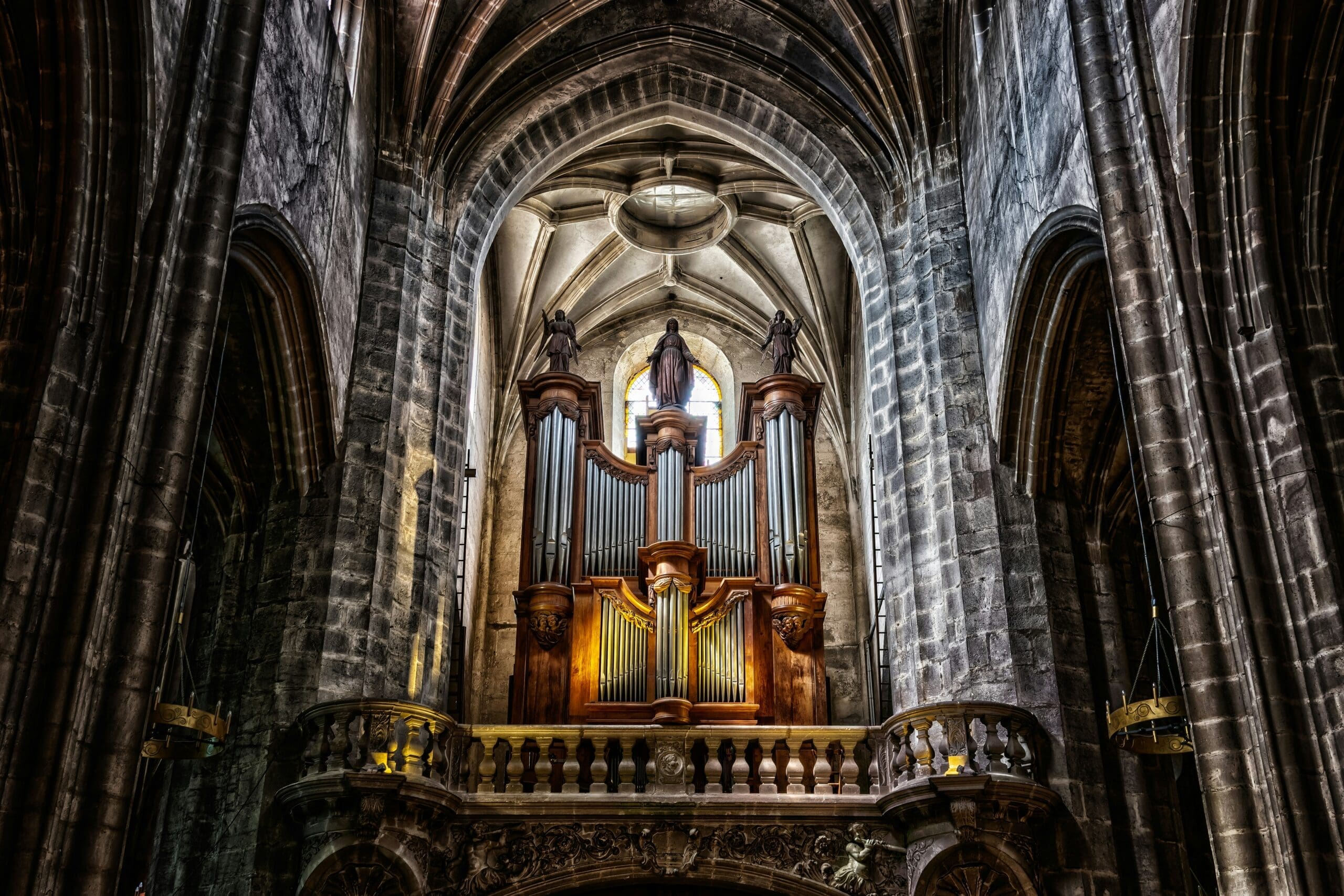
by Peter Herrmann (https://unsplash.com/@tama66)
The Pórtico da Glória impresses with its detailed figures and the narrative power of its depictions. The sculptures show a variety of holy and biblical figures that transport viewers to a bygone era. This artistic work reflects the craftsmanship and deep faith of the artists of that time.
Besides the Pórtico da Glória, there are other remarkable artworks in the cathedral that should not be overlooked. One of these is the Botafumeiro, a giant thurible that swings during services. This traditional ceremony is not only a visual spectacle but also an expression of deep religious practices.
Another artwork of historical significance is the high altar retable, which captivates with its Baroque details and the masterful use of gold. This retable is another example of the rich artistic tradition that defines the cathedral and is forever linked to its history. Visitors will be as fascinated by the splendor of these works as by the spiritual atmosphere that surrounds them.
The Significance of the Museum for Pilgrims and Visitors
The Museum of the Cathedral of Santiago de Compostela plays a central role for pilgrims and visitors. For many believers, the cathedral is the destination of a spiritual journey on the Camino de Santiago. The museum offers them deeper insight into the religious significance and rich history of the pilgrimage route.
For visitors interested in art and history, the museum offers an invaluable opportunity to discover impressive artworks and artifacts from the past. The collection spans from early medieval times to more recent eras. This diversity allows visitors to trace the cultural development of the region.
The museum is not only a place of exploration but also a site of reflection. It invites visitors to contemplate the past and recognize the connections between art, faith, and history. These reflections enrich visitors' understanding of the cathedral and its role in the world.
Additionally, the museum functions as a bridge between cultures. The cathedral attracts not only Christians, but people from all over the world. This makes the museum an intercultural meeting point where different cultures and beliefs can enter into dialogue with each other. This makes it an indispensable part of the experience in Santiago de Compostela.
Practical Information for Visitors
A visit to the Cathedral Museum of Santiago de Compostela is a must for anyone visiting the city. Before planning your visit, consider some practical information. The museum is located in the heart of Santiago de Compostela and is easily accessible for tourists and pilgrims.
The museum's opening hours vary by season, so it's advisable to check the current times online before your visit. This way, you can avoid unpleasant surprises and better plan your day in Santiago. In addition to the museum itself, you can also explore the majestic cathedral and the bustling square in front of it.
Admission tickets are available both online and on-site. Discounted tickets are available for pupils, students, and seniors. Please note that admission to the museum helps preserve the cathedral, making your visit even more meaningful. Here is a brief list of important information:
- AddressObradoiro Square, s/n, 15704 Santiago de Compostela, A Coruña, Spain
- Operating hoursVary depending on the season
- Admission PricesReduced tickets for pupils, students, and seniors
- AccessibilityThe museum is accessible to wheelchair users
- Contact InformationAvailable on the official website
Both the museum and the cathedral are known for their accessibility. Wheelchair ramps and elevators make access easy for all visitors. A small cafeteria nearby offers the opportunity to take a break and reflect on the day. A smooth visit is thus ensured, contributing to an unforgettable experience.
Tours, educational programs, and virtual experiences
The Museum of the Cathedral of Santiago de Compostela offers a variety of guided tours. These guided tours are ideal for gaining a deeper understanding of the complex history and architecture of the Cathedral and its museum. Experienced guides share fascinating stories and details that might otherwise be easily missed. The tours vary in length and level of detail, ensuring there's something for every visitor.
Special educational programs are available for schools and groups. These programs are designed for young explorers and history enthusiasts who want to gain deeper insights. Workshops offer interactive opportunities to learn more about the cathedral, the Camino de Santiago, and its significance. These educational offerings foster understanding and raise awareness of Spain's cultural heritage.
For those who cannot be there in person, virtual experiences are available. These allow visitors worldwide to discover the museum remotely. High-quality 3D tours offer a view of the impressive artworks and architectural details. Here is a brief overview of the offerings:
- Guided toursDifferent lengths and themes
- Educational programsFor Schools and Groups
- Virtual ToursOnline access to 3D views
- WorkshopsInteractive Learning Experiences for Young and Old
Conclusion: Why the museum is a must-see
A visit to the Cathedral Museum of Santiago de Compostela is a journey through time. It offers deeper insights into the history and spiritual significance of this important site. The impressive collection of religious artworks and artifacts makes the museum an unforgettable experience. From the breathtaking Pórtico da Gloria to the smallest liturgical objects, the museum offers a rich abundance of cultural treasures.
The museum is a highlight not only for historians and art lovers. It also attracts pilgrims and tourists who appreciate the cultural depth and historical context of the cathedral. It is a place where past and present harmoniously merge. In the inspiring surroundings of the cathedral, one can listen to the sound of history and feel the soul of Galicia. A visit is an investment in knowledge and experience – a must for every visitor to Santiago de Compostela.