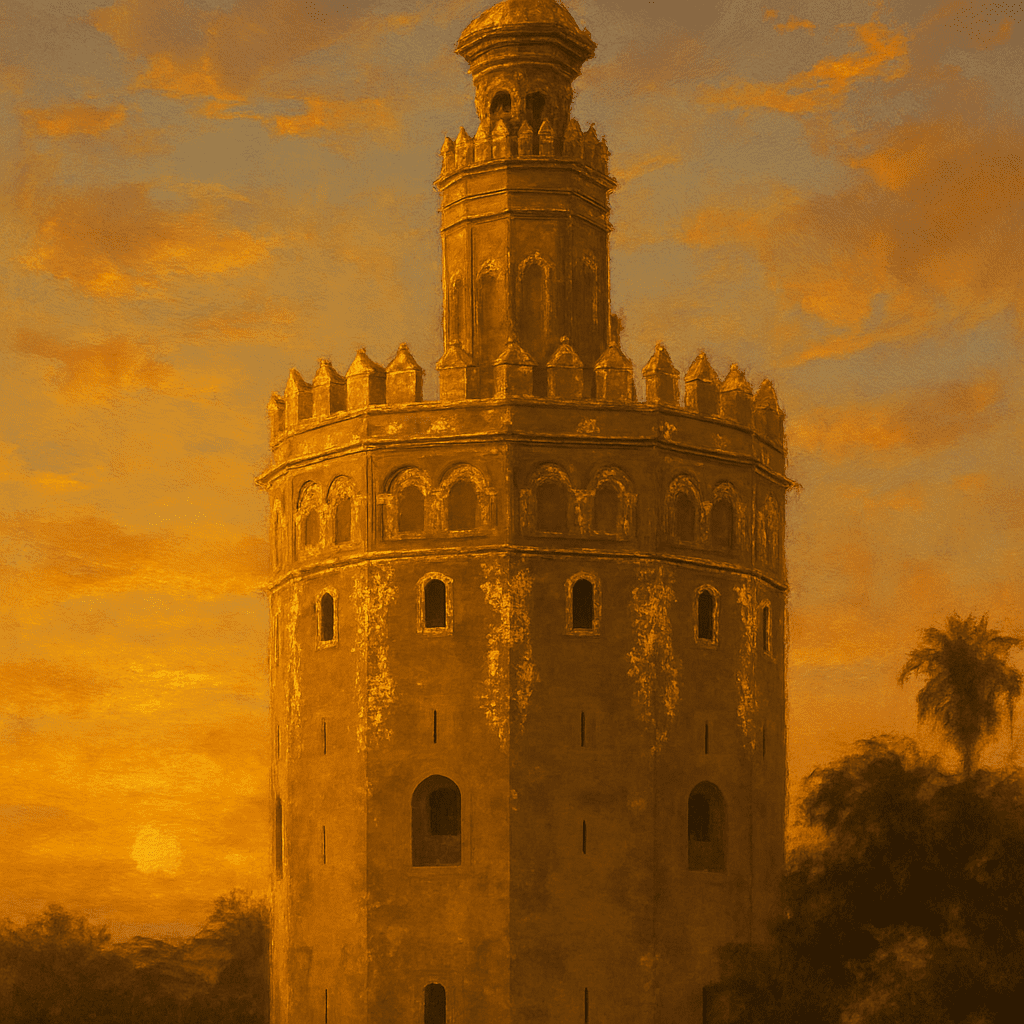
The Gold Tower is a fascinating structure deeply rooted in history. It rises majestically over the city, attracting visitors from all over the world. Its golden adornments, which gave it its name, sparkle in the sun and tell of a glorious past.
This tower is more than just an architectural masterpiece. It is a symbol of the resilience and pride of the city's inhabitants. Originally built in the Middle Ages as a watchtower, it served to defend the city. Its strategic location made it an indispensable part of the urban infrastructure.
Over the centuries, the Gold Turm has undergone many changes. It has been restored and rebuilt several times to meet the demands of the respective era. These adaptations reflect the turbulent history of the region, which is marked by war and peace.
Today, the Goldturm is a popular tourist attraction and an important part of the city's cultural heritage. It houses museums and exhibitions that offer insights into its rich history. Visitors can ascend to the observation deck and enjoy breathtaking panoramic views of the city.
The Gold Tower is not only a historic monument but also a vibrant symbol of the connection between the past and the present. It inspires artists and writers and is a popular motif in the region's art and literature. Its significance for the city and its inhabitants is immeasurable, and it remains a place of remembrance and commemoration of past events.
The Origins of the Gold Tower: Construction and Initial Use
The history of the Gold Tower begins deep in the Middle Ages. At that time, the city was a thriving center of trade. Due to its strategic position, a watchtower was urgently needed to protect the city. City leaders decided to build the tower to gain a better overview of the surrounding area.
The construction of the Gold Tower was a technical masterpiece. Builders and craftsmen from the region worked closely together. They used local materials, with the tower being primarily built from robust stone. The main task was to make it tall and strong so that enemies could be spotted from afar.
The naming of the tower was due to its striking golden decorations. These were added to showcase the city's power and wealth. Golden embellishments on battlements and windows reflected the incoming light, which could be seen from afar.
First use and function
From the very beginning, the Gold Tower played a dual role. On the one hand, it was militarily significant. It served as a storage facility, filled with weapons and food supplies. These provisions were especially vital for survival during times of siege.
On the other hand, the tower also had civilian functions. It served as a communication center. From here, signals were sent to alert the city to dangers. For this, the guards used fire and smoke signals as well as flag systems.
The Golden Tower quickly developed into a lively place. One could observe a constant coming and going of soldiers, merchants, and citizens. Many stories and legends are woven around the events that are said to have taken place within the tower. These stories have been passed down from generation to generation and still contribute to its mystical aura today.
With time came changes and challenges
Over the centuries, the tower's use changed steadily. Its military importance gradually decreased, and the tower was used more for civilian purposes. With the development of new technologies, the communication methods used in the tower also changed.
Original functions of the tower:
- Defense of the city and observation of potential threats
- Storage of weapons and food
- Communication and Signaling in Emergencies
- Space for important meetings and council resolutions
- Sanctuary in times of war and sieges
However, its significance as a meeting place and gathering spot remained. The townspeople valued the Gold Tower as a safe haven. It was often the center of the town's social life. To this day, the Gold Tower stands as a testament to the close connection between military and civilian life in the Middle Ages.
The origins and early use of the Golden Tower reveal its versatility and adaptability. They illustrate why it has earned such a firm place in the city's history and in the hearts of its residents.
Architecture and structural features of the Golden Tower
The Golden Tower is an outstanding example of Gothic architecture. This era was characterized by tall, pointed structures and intricate details. At first glance of the Golden Tower, its vertical lines and fine ornamentation are immediately striking. They dominate the entire structure. Particularly impressive are the intricately designed windows and the tall facade, which seems to touch the sky.
Gothic Architecture and Design Elements
The design of the Gold Tower is characterized by numerous Gothic elements. Pointed arch windows and intricate tracery clearly show the influence of this architectural style. These elements not only served an aesthetic purpose. They also contributed to the stability and functionality of the entire structure. The stone gargoyles perched on the tower are another characteristic feature. They are not just decorative. They also effectively drain rainwater.
Structural features of the Gold Tower:
- Pointed arch windows Typical of Gothic architecture, they allow for maximum light penetration.
- Tracery Artistic stone work found on windows and parapets.
- Stone gargoyles Practical and symbolic, they channel water from the roof.
- Phrases and turrets Add a dynamic silhouette to the tower.
- Rib vault Contribute to structural stability and aesthetics.
Adaptation and Use Through the Centuries
The original design of the Golden Tower allowed for versatile adaptations over centuries. While some of the original architectural details were preserved, others were modified or restored. The staircase, which winds spirally around the inner core, was preserved. This staircase was crucial for the guards' rapid ascent and descent.
Over time, new rooms and levels were added. This allowed the tower to adapt to the changing needs of the city. The integration of additional floors was designed to blend seamlessly with the original structure. These modifications enabled further cultural and social activities within the tower. The transition between military and civilian use was therefore easy and effective.
Modern Restoration Work and Conservation Measures
Restoration work in the 20th and 21st centuries played a significant role in preserving the Golden Tower. This work not only maintains its architectural integrity. It also serves as an excellent example of the fusion of old craftsmanship techniques and cutting-edge technology. Traditional materials were carefully chosen to preserve the historical character. At the same time, modern methods were employed to protect the tower against environmental factors.
Among the most outstanding works is the renovation of the facade. Original materials were used here to restore the original appearance. Interior conservation was also of great importance. Historic details were meticulously restored, allowing visitors to enjoy an authentic experience.
The Goldturm is an impressive example of architectural heritage. Its Gothic features, combined with careful restoration measures, secure its historical significance and its appeal in today's tourism. The Goldturm's structural peculiarities continue to attract architects, historians, and tourists alike.
The Golden Tower Through the Centuries: Alterations and Restorations
The Golden Tower has undergone many changes over the centuries. Originally built in the Middle Ages, its renovations reflect the changing needs and aesthetic preferences of the times. Each century brought its challenges. The city changed, and the tower had to keep pace. Its transformation is a testament to adaptation and survival.
Changes in the Middle Ages and the Renaissance
In the Middle Ages, the Goldturm was a central part of the defense system. At that time, the focus was on security. With the change in military technology over time, structural adjustments also became necessary. In the 15th century, the walls received reinforcements to withstand cannons. Defense systems were also modernized.
With the onset of the Renaissance, priorities shifted. The tower was transformed into a prestigious structure. Elements such as magnificent facades were added. Decorative ornaments and elaborate embellishments were incorporated. Thus, the tower reflected the artistry and cultural richness of this era.
Conversions in modern times
The transition to the modern era brought about another transformation. The Gold Tower was increasingly used for civilian purposes. New window openings and additional interior spaces bore witness to the changed purpose of use. Rooms inside were repurposed to accommodate cultural and social events. The exterior received additions that gave the tower a harmonious unity with the surrounding architecture. The changes were an expression of growing civic pride and an increasing interest in representative architecture.
Modern Restoration Work
In the 19th century, the Gold Turm was recognized as a national monument. Extensive restoration work was carried out to preserve its historical heritage. In the 20th century, a significant renovation took place. Modern techniques were employed to maintain and make the tower accessible. The goal was to preserve its original character while adapting it to the needs of visitors.
Notable restoration efforts include:
- Facade Renovation Replace damaged stones with similar material to maintain the original appearance.
- Structural reinforcement: Hidden steel beams add stability without compromising historical integrity.
- Window Renovation The original, but weathered window frames were replaced with identical, newly manufactured frames.
- Interior preservation: Frescoes and wall paintings were restored to offer visitors an authentic experience.
- Accessible access: Installation of elevators and ramps to make the tower accessible to all visitors.
Conservation as an ongoing process
Today, the preservation of the Golden Tower is an ongoing process. Historians and architects work closely together. New technologies help to monitor and maintain the structure. The challenge is to find a balance between tradition and modern comfort. The tower remains a living structure that both preserves history and meets contemporary demands.
The Gold Tower is an indispensable part of the urban fabric. Its adaptability reflects continuous change. It remains an impressive symbol of the continuity between past and present. Its preservation process allows for the safeguarding of its history and the expansion of its significance, opening up space for future generations to be inspired.
The Gold Tower as a Military and Civilian Symbol
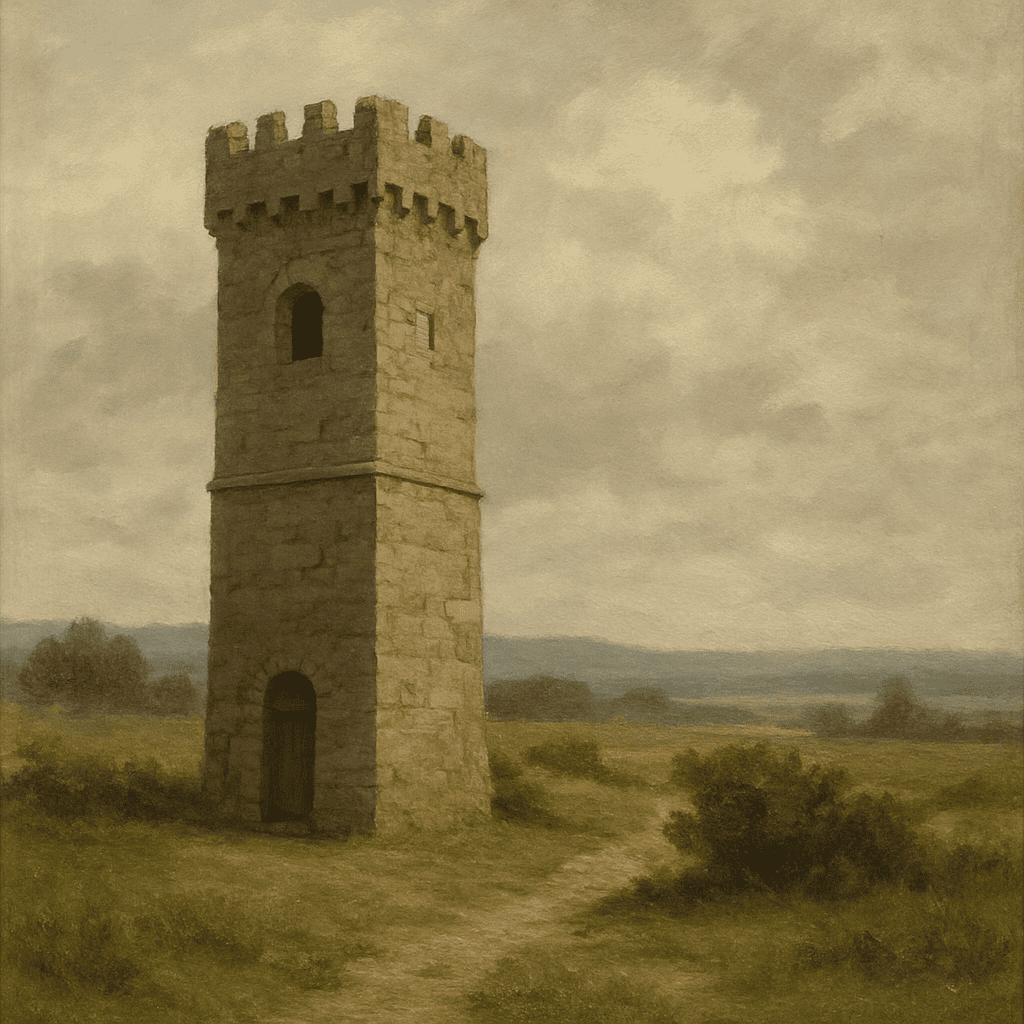
In the Middle Ages, the Goldturm played a central role in the city's defense. Strategically located, it served as a watchtower and protection against attacks. Its high walls offered an excellent vantage point for potential threats from afar. Thanks to its robust construction, it withstood many sieges. The tower symbolized the militancy and determination of the city's inhabitants to defend themselves against external enemies. Its presence bears witness to the will to secure both their own freedom and the protection of citizens.
However, the Gold Tower was not only significant in a military context. Over the years, its role transformed into a civilian landmark. As war technologies advanced, the tower's immediate military importance diminished. It evolved into a symbol of peace and civil coexistence. The tower became a meeting point for social events, where citizens gathered to exchange news and discuss important decisions. Its new function reflected the shift from a purely defensive structure to a center of urban life.
The Gold Tower also served as a trading center. With the changes in the city, its economic importance grew. Trade routes emerged around the tower, which established itself as a hub. Documents attest to its significance for trade and the city's associated economic power. The tower embodied the prosperity acquired through trade relations and contributed to the city's reputation. Through its function as a marketplace for goods from all over the world, the tower symbolized economic upswing and openness to global influences.
Furthermore, the Golden Tower evolved into a cultural symbol. As one of the most significant architectural landmarks, it received recognition as a national monument. Today, it is not only part of the skyline but also a place of cultural identity. Events and festivals strengthen the community and the residents' connection to history. The tower fascinates locals and tourists alike. It remains a living testament to the city's ability to adapt while respecting its roots. The tower stands for the union of war and peace, of commerce and culture, offering a tangible link between past and present.
Legends, Myths, and Cultural Significance
The Golden Tower is not only an architectural marvel but also a place deeply rooted in the region's myths. Numerous legends surround its creation and its significance to the city. One of the most famous stories claims that a hidden treasure is buried beneath the tower. Treasure hunters from all over the world have been lured by the prospect of wealth, which has only enhanced the tower's mystical reputation.
According to legend, the golden embellishments of the tower were supposedly created by an alchemical master. He wanted to capture sunlight through the knowledge of alchemy and thus give the tower its shining splendor. Such stories contribute to the aura of mystery that surrounds the Golden Tower. They ignite the imagination and make the tower a popular motif in stories and poems.
Another interesting aspect is the cultural significance of the Golden Tower within urban folklore. The tower is considered a watch post that keeps evil spirits and misfortune at bay. This is based on an old legend, according to which the tower was protected from harm by a powerful spell. Many people believed that visiting the tower brought good luck and protection. These myths give the tower a role as a spiritual center for the community.
Here are some of the most famous legends and myths about the Gold Tower:
- The Alchemist's Treasure: A supposedly buried treasure, hidden by the alchemical arts of a master in the tower.
- The protective spellA magical legend that attributes powers to the tower to protect the city from misfortune.
- The Eternal LightA story that tells how the golden ornaments were created by captured sunlight.
- The Guardian SpiritA spirit that watches over the tower and wards off misfortune.
These stories are more than just tales. They influence the city's cultural identity and regularly inspire artworks and events. The Gold Tower stands as a symbol of belief in the extraordinary and the deeply rooted traditions that have developed over centuries. Through the blend of history and legend, the Gold Tower remains a place of fascination and cultural significance.
The Golden Tower in Art, Literature, and Folklore
Over the centuries, the Golden Tower has inspired artists, writers, and folklorists alike. Its majestic appearance and the mysterious stories that surround it offer rich sources for creative works. Even in medieval paintings, the tower can be recognized as a dominant element in cityscapes. Painters attempted to capture its golden spire in their works using gold leaf and elaborate painting techniques. These depictions contributed to the tower's mystique and manifested its significance in the region's cultural memory.
In literature, the golden tower frequently appears as a symbol of strength and permanence. Writers not only used it as a setting for dramas and novels, but also as a metaphor for unattainable goals or hidden secrets. Its impressive appearance served as a backdrop for numerous narratives, in which it is described as a silent witness to time. The literary portrayal of the tower as a symbol of wisdom and protection shows how deeply its cultural significance is ingrained.
The influence of the Golden Tower is also evident in the region's folklore, which immortalizes it in songs, poems, and traditional stories. These works are not only a means of preserving history and tradition but also serve as a collective memory. The connection between real architectural features and fantastical narratives enhances the tower's role as an inexhaustible source of inspiration.
Here are some of the cultural expressions that deal with the Golden Tower:
- PaintingMasterpieces that focus on the tower as a central element and highlight its golden splendor.
- LiteratureNovels and poems in which the tower is used as a symbol and a setting.
- Music and songsTraditional pieces that preserve stories of the Golden Tower in melodic narratives.
- Folk theaterPerformances where the legends of the Golden Tower come to life.
- PoetryPoems evoking the mysterious beauty and significance of the tower.
Through these diverse artistic expressions, the Golden Tower remains a vibrant symbol of creativity and cultural identity. Whether in ancient paintings or modern theatrical productions, it continues to inspire generations, illustrating the rich cultural impact a single structure can have. The connection of art, literature, and folklore underscores the enduring significance of the Golden Tower as a cultural landmark.
The Golden Tower Today: Tourism, Museums, and Events
The Gold Tower is a significant tourist attraction today. It attracts thousands of visitors from all over the world annually, who want to explore its rich history and architectural beauty. Visitors come to enjoy the breathtaking views from the observation deck. From here, one can enjoy a panoramic view of the city and the surrounding landscape. This makes the tower an essential stop for anyone traveling in the region. The tower's management has implemented extensive measures to enhance the visitor experience. These include improved access routes, informative guided tours, and a well-equipped visitor center.
Inside the Golden Tower, there is a museum that highlights its history and significance. The exhibition includes artifacts from different eras, illustrating the tower's eventful past. Visitors can admire original documents, historical photographs, and models of the tower. The museum also offers interactive displays that bring the past to life. These educational elements provide insights into the construction history and strategic importance of the tower. Regular special exhibitions on various aspects of the region's history and culture complement the permanent offerings.
The Goldturm is also a vibrant center for events. In addition to regular tours, numerous cultural events take place. The event series includes concerts, theater performances, and historical reenactments. These events attract not only tourists but also locals who celebrate their city's rich history. The tower is often used for private events such as weddings and receptions. This versatile use contributes to the preservation and maintenance of the tower and promotes the local economy.
Here are some of the popular activities and events around the Golden Tower:
- Guided toursRegular historical tours of the tower.
- Cultural EventsMusical and theatrical performances with historical relevance.
- Special exhibitionsTours that illuminate the history and significance of the tower.
- Workshops and SeminarsEducational programs for schools and families.
- Private RentalsOpportunities for weddings, receptions, and conferences.
The diversity of events and the rich museum landscape make the Gold Tower a central point of the city's cultural life. It remains a symbol of the past and, at the same time, a dynamic component of the present. The ongoing efforts to preserve the tower's heritage and transform it into a vibrant cultural-historical center reflect the community's connection to this unique structure. This blend of history and modernity ensures that the Gold Tower will remain a significant attraction in the future.
Meaning for the city and the region
The Gold Tower is more than an architectural marvel; it is a symbol of deeply rooted urban identity. Historically, it has not only protected the city from attackers but also influenced its economic prosperity. Its strategic location made it a hub for trade and culture. The city grew around the tower, making it a central part of urban life. This historical significance continues to shape the residents' consciousness and strengthen their sense of community.
In today's context, the Gold Tower plays a crucial role in the regional economy. It attracts numerous tourists annually, contributing to the strengthening of the local business community. Hotels, restaurants, and retailers benefit significantly from the tower's visitors. Furthermore, the tower enhances awareness of other cultural offerings in the region. Thus, it becomes a vital driver in urban and regional tourism. These economic impulses secure jobs and promote local development.
Culturally, the Gold Tower is an indispensable part of the regional heritage. It has inspired artists, writers, and musicians for centuries and is a popular motif in local art. The legends and myths surrounding it enrich the region's folklore. Through events, exhibitions, and celebrations, the tower remains a vibrant cultural center. It facilitates a dialogue between the past and the present, strengthening cultural identity and consolidating a sense of community. These diverse roles make the Gold Tower an essential part of the city and its surroundings.
Conclusion: The Gold Tower as a bridge between the past and the present
Today, the Gold Tower stands not only as a majestic edifice but also as a testament to our history and culture. Its stone walls tell stories of heroic defenses and significant trade connections. The tower acts as a bridge, connecting the past with the present by carrying ancient traditions into the modern world. Visitors experience not only an architectural masterpiece but also a journey through time. In a constantly changing world, the Gold Tower offers continuity and stability. It reminds us how the past shapes the present.
The role of the Golden Tower has evolved over the centuries. Today, it serves as a powerful symbol of the region's people's pride and resilience. Its enduring appeal demonstrates the importance of cultural and historical connections to society. The tower brings people together—from history buffs and art lovers to tourists from around the world. It continues to inspire the community by acting as a catalyst for creative expression and cultural understanding. The Golden Tower is more than a monument; it is a bridge that transcends time and space to bring us closer together.