

The Seville City Hall is an architectural gem in the heart of the city. It attracts visitors from all over the world. Its impressive facade and rich history make it a must-see for any visitor to Seville.
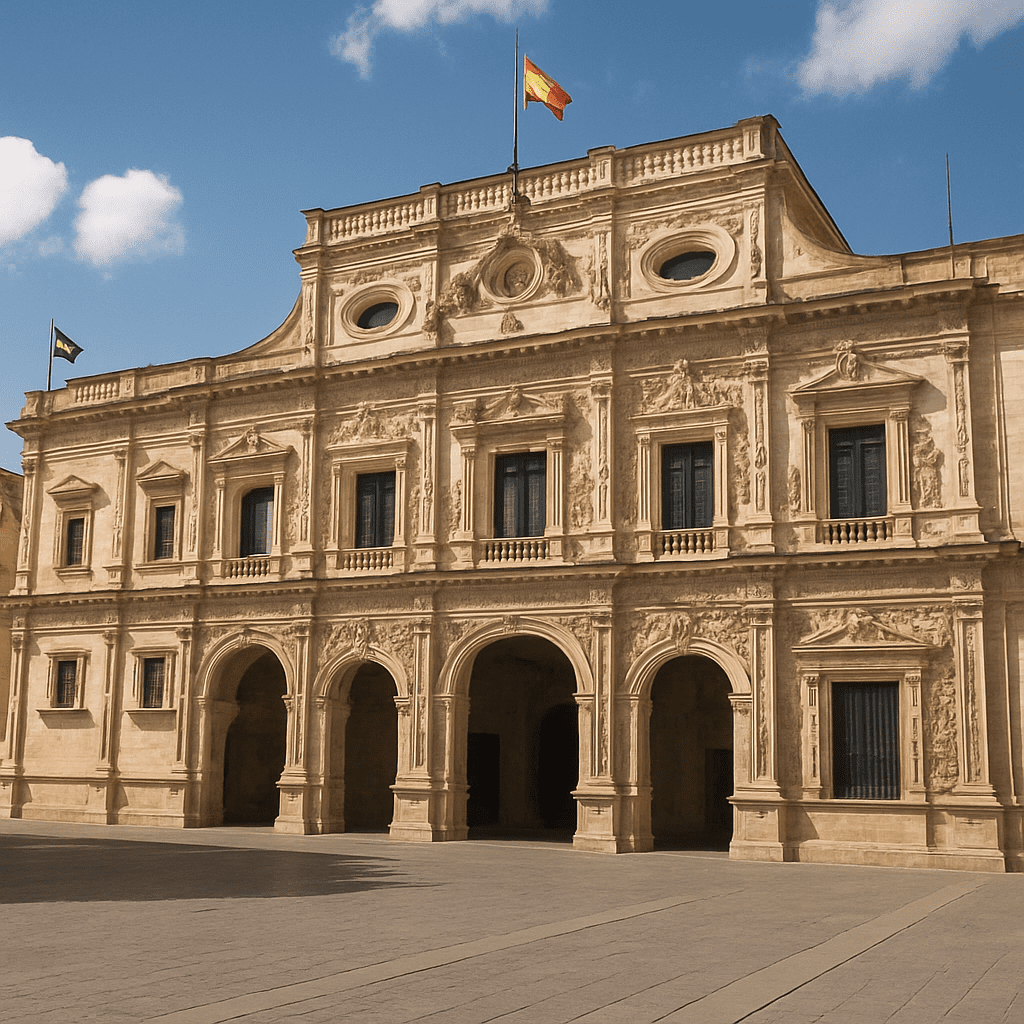
This historic town hall is a prime example of Spanish Renaissance architecture. It was begun in 1527 by architects Diego de Riaño and Juan Sánchez. Construction lasted several decades and was completed in the 16th century.
The location of the town hall is ideal for tourists. It is located near the famous cathedral and the Giralda tower. This central position makes it a perfect starting point for city tours.
The facade of the town hall is richly decorated. Sculptures and reliefs depict historical and mythological scenes. These artistic details were created by the best artists of the Renaissance.
In the 19th century, the town hall was expanded. The new facade was designed in the neoclassical style. This expansion shows the harmonious blend of Renaissance and neoclassical elements.
The Seville City Hall is not just an architectural masterpiece. It is also a symbol of urban autonomy and power during the Renaissance. Its history reflects the political changes in Seville and Spain.
Today, the City Hall is a vibrant testament to Seville's cultural development. It houses important municipal documents and artifacts. Visitors can take guided tours to learn more about its history and architecture.
The Seville City Hall: An Architectural Masterpiece
The Seville City Hall is a shining example of the peak of Spanish Renaissance architecture. Its construction began in 1527 under the direction of Diego de Riaño. Buildings from this era were characterized by their detailed ornamentation and symmetry. These features can be found in every corner of the City Hall.
Anyone who visits Seville City Hall will be impressed by its magnificent facade. It displays a wealth of sculptures depicting both historical and mythological scenes. Particularly noteworthy are the ornate reliefs portraying Hercules and Julius Caesar. These figures symbolize Seville as a city with a rich and diverse heritage.
The architectural design of the town hall was inspired by the Italian Renaissance. Nevertheless, local artists and craftspeople added significant elements. These details make the town hall unique. The influences from various art movements merge in a harmonious way.
In addition to its external splendor, the interior of the town hall captivates with elegant colonnades and richly decorated ceilings. The interiors are furnished with valuable paintings and antique furniture. This furnishing underscores the building's significance as the seat of municipal administration and as a cultural center.
A short list of architectural features includes:
- Renaissance facades with richly decorated sculptures
- 19th-century Neoclassical extensions
- Courtyards with elegant arcades
- Rooms with valuable paintings and antique furniture
The City Hall was expanded in the 19th century. This expansion, led by architect Demetrio de los Ríos, added a Neoclassical facade. The new design blended seamlessly with the historical ambiance, underscoring the continuous evolution of the city and its architecture throughout the centuries.
The Seville City Hall remains an architectural masterpiece. It impressively combines functionality and aesthetics. For architecture enthusiasts and those interested in history, the Seville City Hall offers a deep insight into the city's design heritage. Here, architecture becomes a vivid connection between the past and the present.
The Origin Story: From the Renaissance to Modern Times
The history of Seville's City Hall begins in the early Renaissance. In 1527, the foundation stone for this magnificent building was laid. Diego de Riaño, a leading architect of his time, oversaw the construction. His goal was to create a building that was both aesthetically pleasing and functional.
Construction lasted for decades, undergoing several expansions and modifications. This extended construction period resulted in a building that features both Renaissance and later Neoclassical stylistic elements. At its core, the town hall stands as a testament to civic autonomy and power of the era.
During the Renaissance, Seville developed into an important trading center. The construction of the city hall reflected the economic and cultural rise of the city. It served not only as an administrative building but also as a symbol of prosperity and influence. The magnificent design was in line with the flourishing Seville of the colonial era.
As the city grew, so did the City Hall. In the 19th century, an expansion became necessary. The architect Demetrio de los Ríos oversaw this expansion. Through his work, the City Hall acquired a new neoclassical facade. This change reflected the preference for clean lines and proportions that were popular at the time.
This new facade harmoniously complemented the existing Renaissance structure. It offered a visual link between two eras of Spanish architectural history. The transition from detailed sculptures to simpler elements illustrated the shift in architectural taste over the centuries.
Today, the city hall stands in the heart of Seville, in close proximity to other famous buildings. It is not only the center of municipal administration but also a popular meeting point for locals and tourists. As one of the outstanding sights in Seville, the historic city hall attracts visitors from all over the world.
The Seville City Hall remains a vivid testament to the city's history. It shows how Seville has evolved over the centuries, both architecturally and culturally. Those who visit the City Hall today can feel the connection between past and present. It is a place where history comes alive and the beauty of bygone eras is preserved.
The Facades: Renaissance Meets Neoclassicism
The facades of Seville's City Hall are an architectural masterpiece. They combine elements of Renaissance and Neoclassical architecture. This harmonious blend gives the building its distinctive elegance and beauty. Each facade tells its own story and offers unique details.
The facade facing Plaza San Francisco dates from the Renaissance. It is elaborately decorated with reliefs and sculptures. These depict figures from Roman mythology, including Hercules and Julius Caesar, who symbolically represent strength and wisdom. These representations are not only artistically significant but also politically important.
In contrast, the neoclassical facade on Plaza Nueva stands out. It was created in the 19th century and displays clearer, more stringent forms. The symmetrical design and simple ornamentation reflect the neoclassical style. This facade represents the influence of the Enlightenment and modern architecture in Seville.
The facades of the town hall are also a testament to the craftsmanship of the time. The elaborate details were created by local artists and craftsmen. They reflect the high artistry and technical skill of the era. Every element is carefully considered and worked out down to the smallest detail.
One special feature is the diverse stonework. It gives the facades their characteristic depth and grace. If one lists some of these impressive details, the complexity of the design becomes clear:
- Finely crafted reliefs with historical scenes
- Detailed sculptures of ancient gods and heroes
- Ornate balustrades and decorative moldings
- Symmetrical ornaments from the Neoclassical period
- Historical Coats of Arms and Emblems of the City of Seville
Each facade of Seville's City Hall tells its own era. They are not just architectural jewels, but also history books in stone. They document the city's cultural and political changes. The combination of Renaissance and Neoclassicism makes the building a unique experience.
Looking at the City Hall as a whole, one recognizes the art of integration. The fusion of different styles has been masterfully achieved. The building remains harmonious and balanced without losing its historical authenticity. It remains a testament to how different styles can be united to create something timeless.
The Courtyard and Interiors: Experiencing Art and History
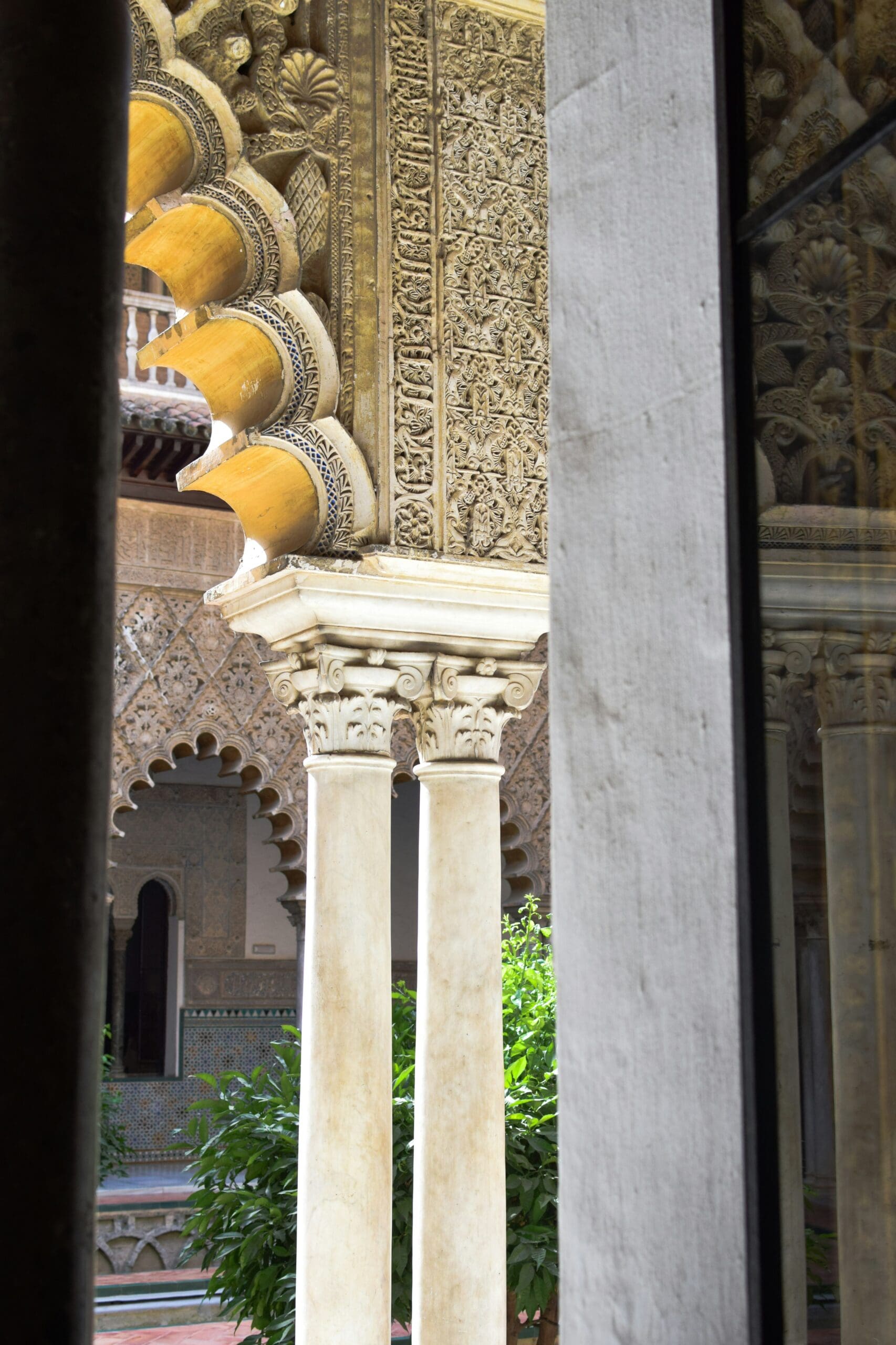
The courtyard of Seville's City Hall is an architectural highlight. It features elegant arcades and ornate columns. These elements create an open yet majestic atmosphere. The courtyard is a prime example of the Renaissance influence on Spanish architecture. Visitors can feel the touch of past centuries here.
A walk through the interior of the town hall is like a journey through time. The rooms are furnished with valuable paintings and antique furniture. These artworks and furnishings tell stories of the city and its inhabitants. Each room has its own charm and reflects the cultural developments of Seville.
One of the most impressive details in the town hall are the ornate ceiling decorations. The ceilings are lavishly designed with fresco-like paintings and stucco work. These works of art depict mythological scenes and historical events. They are not only decorative but also educational, offering insight into the worldview of the time.
The plenary hall is particularly significant. Here, the representatives of Seville gather to discuss urban matters. The hall is sumptuously decorated with marble and wood embellishments. This environment provides a fitting setting for important political decisions. It is a space where past and present meet.
As you wander through the town hall, you can't help but feel the symbolic significance of the architecture. The connection between functionality and aesthetics is impressive. Every room, every sculpture, and every work of art contributes to the city's history. They reveal Seville's rich cultural tradition and preserve it for the future.
by Matthew Waring (https://unsplash.com/@matthewwaring)
Symbolism and Meaning for Seville
The Seville City Hall is far more than an administrative building. It is a vibrant symbol of urban autonomy and power during the Renaissance. The building's architecture embodies the city's wealth and importance at that time. Seville was a center of trade and culture, and the City Hall underscores this role.
The influence of the town hall on local culture should not be underestimated. It is a central place that hosts both historical and contemporary events. Many important political and cultural decisions have been made here. The walls of the town hall tell the story of the city's development over centuries.
Another element is the symbolic facade of the town hall. It is not only architecturally impressive but also rich in symbolism. The sculptures on the facade represent figures from Roman mythology. Particularly noteworthy are depictions of Hercules and Julius Caesar. These figures stand for bravery and leadership and reflect Seville's pursuit of greatness.
The influence of the City Hall extends to the city's identity. It is an integral part of Seville's cultural heritage. As a protected cultural asset, it attracts numerous tourists every year. Its significance is also evident in its role in urban and national celebrations. Here, the past and present coexist harmoniously.
In summary, the symbolic and cultural significance of the Seville City Hall can be represented as follows:
- Political powerRepresents the city's autonomy during the Renaissance.
- Cultural HeritageA central part of Seville's cultural wealth.
- Symbolic ArchitectureThe facade displays figures that represent strength and leadership qualities.
- Tourist destinationEach year, visitors flock to experience the history and architecture.
- Cultural HubA venue for significant celebrations and ceremonies.
With all these aspects, the Seville City Hall becomes an indispensable part of the city. Its architectural beauty and historical significance are a testament to Seville's rich past. It recalls its glorious eras and shapes the city's image to this day.
The town hall as a cultural center and event venue
The Seville City Hall is not only an architectural masterpiece but also a vibrant cultural center. It plays a central role in the social life of the city. Numerous cultural events and official ceremonies take place here, making the City Hall a living part of the urban community. Whether exhibitions, musical performances, or political events – the City Hall serves as a stage for diverse cultural happenings.
Especially during Semana Santa and the Feria de Abril, the City Hall showcases its cultural significance. The city celebrates its traditions, and the City Hall becomes the focal point of these festivities. During these special times, the square in front of the building comes alive and attracts people from all over the world. The participation of the city's residents and the multitude of visitors reflect Seville's vibrant cultural scene.
Throughout the rest of the year, the City Hall remains a popular meeting point. Locals and tourists alike enjoy the charm of this historic location. It provides a unique backdrop for various events that celebrate the cultural heritage and history of Seville. The atmosphere is characterized by a sense of community and belonging. The City Hall acts as a bridge between the past and the present, where history comes alive and can be experienced.
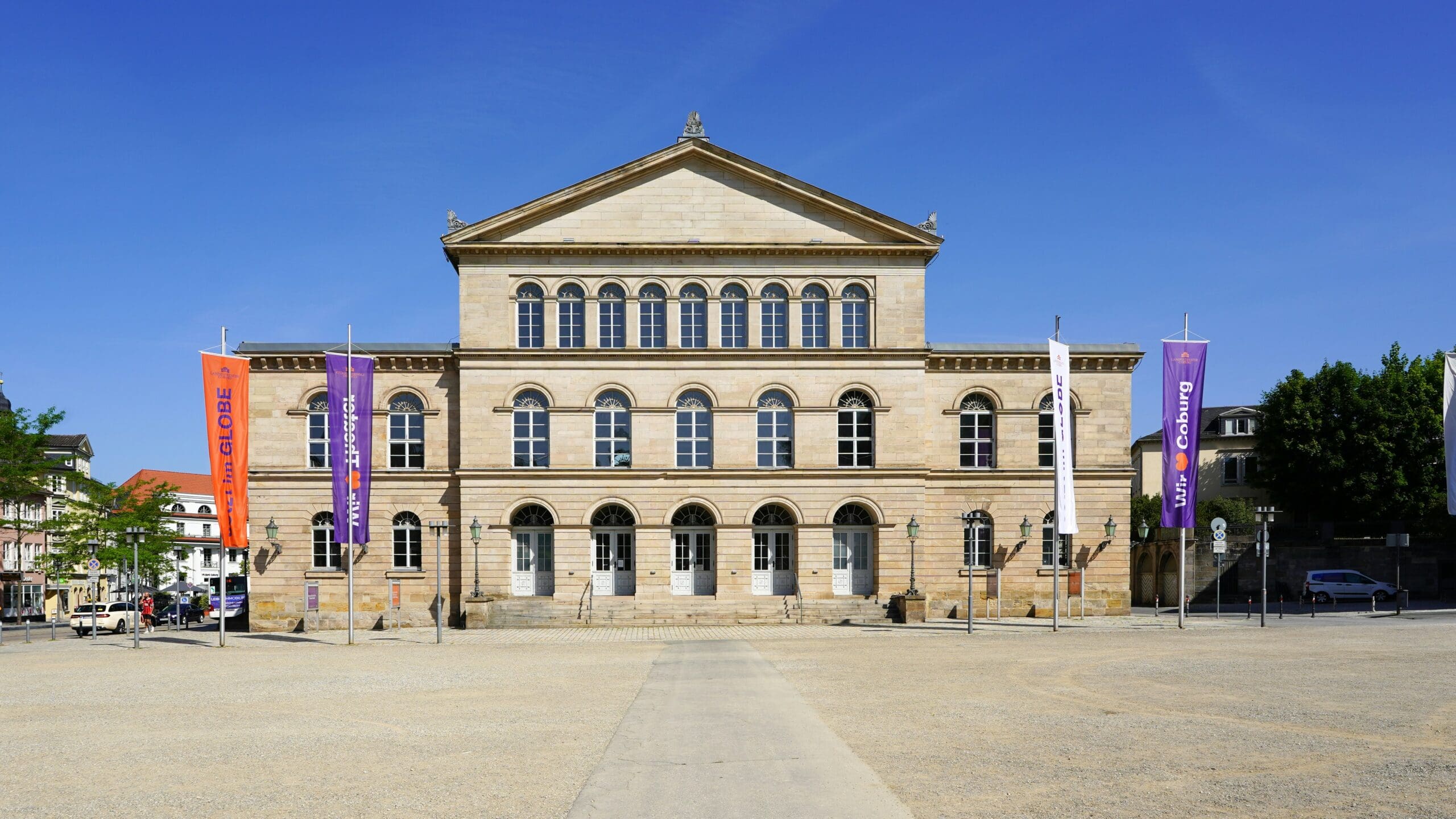
The significance of the City Hall as a venue is enhanced by its architectural beauty. The magnificent courtyard and ornate halls provide an impressive backdrop for any occasion. These spaces create a special atmosphere that invites connection with the city's culture. Events at the Seville City Hall are therefore not only a feast for the senses but also a journey into the city's rich history.
by Wolfgang Weiser (https://unsplash.com/@hamburgmeinefreundin)
The Seville City Hall as a Sightseeing Attraction: Tips for Visitors
The Seville City Hall is a significant landmark in the city, attracting numerous tourists. It is recommended to visit the City Hall as part of a city tour. Thanks to its central location near the famous Cathedral and the Giralda tower, it can easily be integrated into a sightseeing tour. The surrounding area offers many opportunities to explore the rich history and culture of Seville.
Visitors should definitely not miss the ornate facade of the town hall. The detailed sculptures and reliefs are impressive and bear witness to the high craftsmanship of the Renaissance. It is fascinating to admire the depictions of Roman mythological figures such as Hercules and Julius Caesar. The facade also offers a rich source for photography enthusiasts who want to capture the special details.
For anyone wanting to learn more about its history and architecture, guided tours of the Seville City Hall are highly recommended. During these tours, visitors are led through the elegant interiors, gaining insights into the City Hall's diverse past and significant role. These guided tours also offer the chance to see rare historical documents and artifacts of the city.
Here are some helpful tips for visitors to the Seville City Hall:
- Check visiting hoursCheck the opening hours in advance to best plan your visit.
- PhotographingRemember your camera for the majestic facades and interiors.
- Guided toursTake the opportunity to book a tour to learn more about the architecture and history.
- Explore the surroundingsCombine the visit with a stroll through the nearby old town.
- Comfortable clothingWear comfortable shoes, as much of the historic center can be explored on foot.
Ultimately, the City Hall offers a wonderful overview of Seville's art historical diversity. It is an essential stop for anyone visiting the city. The combination of spectacular architecture and the opportunity to immerse oneself in local history makes Seville's City Hall one of the most significant attractions. A trip to this historical treasure is enriching for anyone interested in culture and architecture.
Conclusion: A historic city hall as the heart of Seville
The Seville City Hall stands as a vibrant testament to the city's rich history. Its architecture, which began in the Renaissance and was expanded with Neoclassical elements, reflects Spain's cultural evolution. The masterpieces on its facades and the intricately designed interiors showcase the importance Seville has held throughout the centuries. Its location in the heart of the city makes the City Hall not only an architectural highlight but also a central cultural and social meeting point.
For tourists and locals alike, the City Hall is a symbol of Seville's urban identity and historical heritage. Its splendor and the details of its design invite exploration of the region's history and art. Whether on a guided tour or a stroll through the adjacent streets, Seville's City Hall remains an indispensable part of any trip to this fascinating city. It is a place where the past wonderfully merges with the present.