

The Cathedral of Valencia is an architectural masterpiece and a significant landmark of the city. It sits majestically in the heart of Valencia's old town. Its history dates back to the 13th century.
The cathedral was built on the remains of an old mosque. This transformation reflects the region's eventful history. It is a symbol of Valencia's cultural and religious development.
The cathedral's architecture is impressively diverse. Gothic, Romanesque, and Baroque elements merge into a harmonious whole. This diversity makes it a unique structure in Spain.
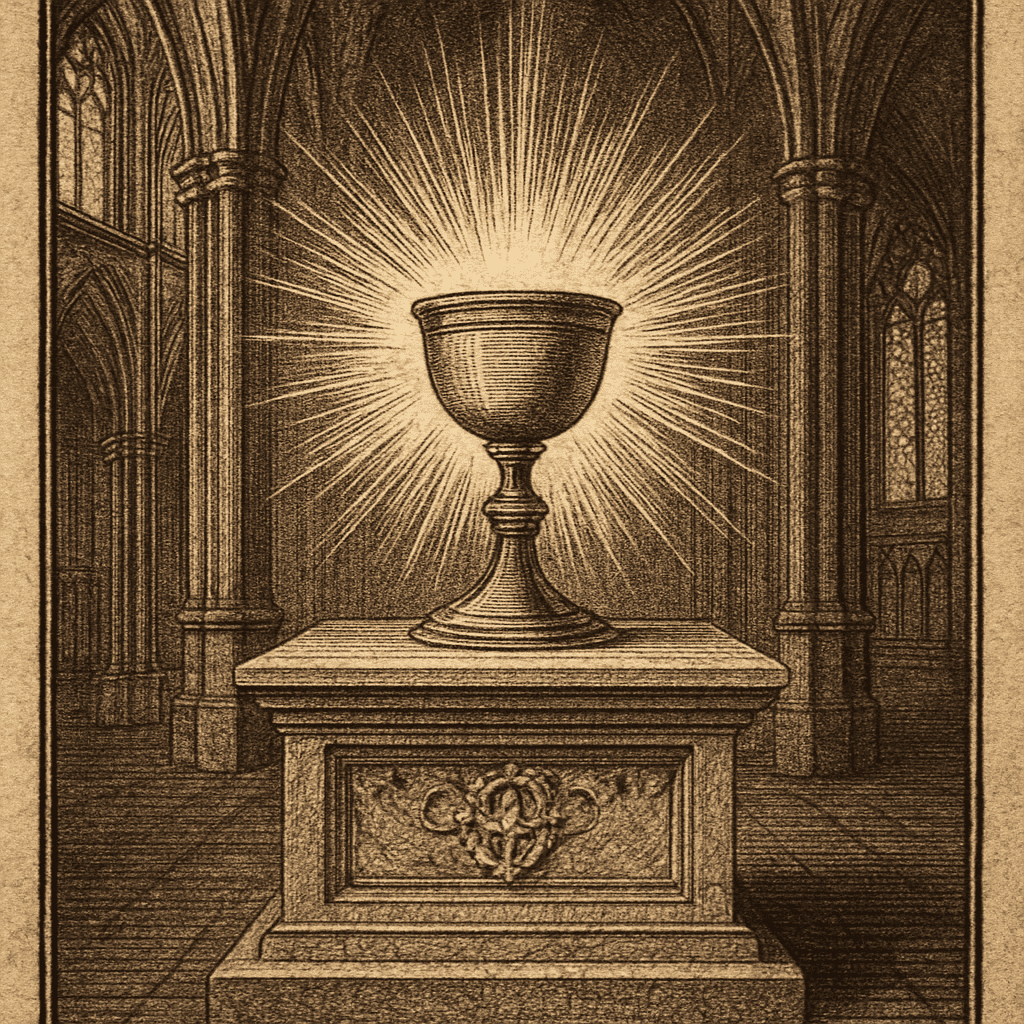
A special highlight of the cathedral is the Holy Grail. This chalice is said to be the one that Jesus used at the Last Supper. It attracts pilgrims and tourists from all over the world.
The Miguelete Tower is another iconic feature of the cathedral. From its top, there is a breathtaking view of the city. The climb is worthwhile for every visitor.
Inside the cathedral, numerous artworks and religious relics can be found. Frescoes, sculptures, and paintings adorn the walls and chapels. They tell stories from different eras.
The cathedral is not only an architectural gem but also an active place of worship. It is a living testament to Valencia's religious and cultural history. Here, history and spirituality meet.
A visit to the Valencia Cathedral is a must for anyone exploring the city. It is one of the most important sights in Valencia. Its beauty and historical significance are unparalleled.
The Origins: From Mosque to Cathedral
The history of the Cathedral of Valencia is deeply rooted in the past. Originally, a mosque stood in its place, a relic from the time of Moorish rule in Spain. The Reconquista brought significant changes in the 13th century.
In the year 1238, Valencia fell under Christian rule. King James I of Aragon ordered the mosque to be converted into a Christian church. This marked the beginning of its transformation into a cathedral.
Construction of the cathedral officially began in 1262. These efforts spanned several centuries. Various architectural styles were added over the years, shaping the building's unique character.
The Valencia Cathedral is an example of how history and architecture intertwine. It reflects the cultural development of the region. The transformation from a mosque to a cathedral symbolizes the transition from Moorish to Christian rule.
Interesting facts about the cathedral's origin:
- Old MosqueThe original mosque was built in the 11th century.
- Christian ReconquistaThe conversion began after the conquest of Valencia in 1238.
- Step-by-step adjustmentsConstruction continued into the 18th century.
- Diverse InfluencesArchitectural styles include Gothic, Romanesque, and Baroque elements.
- Cultural HeritageThe cathedral stands as a symbol of cultural fusion.
Despite its age, the cathedral remains an active and spiritual center. It is not only an architectural masterpiece but also a testament to religious continuity in Valencia. Visitors can literally feel the rich history that remains alive within its walls.
The legacy of the transition from mosque to cathedral is omnipresent in the architecture. The cathedral uniquely unites past and present. It is an indispensable part of Valencia's identity.
Architectural Diversity: Gothic, Romanesque, and More
The Valencia Cathedral is an impressive testament to architectural diversity. Its construction history spans centuries and reflects various architectural influences. It is primarily designed in the Gothic style, but Romanesque, Baroque, and even Neoclassical elements can also be seen.
Gothic architecture is most strikingly represented in the cathedral. High vaults and pointed arches characterize its appearance. These elements lend the structure an impressive grandeur and lightness.
Romanesque influences are most visible in the oldest parts of the cathedral. This architecture is evident in thick walls and round arches. These details give the structure a robust yet graceful character.
Over the centuries, baroque accents were added. The opulent decorations are clearly visible. This style is particularly striking, especially inside the chapels. It lends the sacred building a special splendor.
Neoclassical additions complete the cathedral's architectural mosaic. These elements add a certain elegance. They harmonize wonderfully with the existing architectural styles, creating a cohesive overall impression.
The different elements of the cathedral at a glance:
- GothicHigh vaults, pointed arch windows, lightness of construction.
- RomanesqueThick walls, rounded arches, robust appearance.
- BaroqueOpulent decorations, primarily visible in the chapels.
- NeoclassicismElegant additions, harmonious overall look.
This diversity makes the Valencia Cathedral a living history book. Visitors can experience the architectural development of various eras. Each era has left its mark and contributes to the building's uniqueness.
An exploration of the cathedral is a journey through Spanish architecture. Every architectural era has its place here. They all blend harmoniously together and contribute to the building's great historical and cultural significance.
The Holy Grail: Legend and Meaning
The Cathedral of Valencia holds a secret that elevates it to a mystical place: the Holy Grail. This relic, a simple chalice, is considered by many to be the cup that Jesus Christ is said to have used at the Last Supper. Legend gives the Grail a special spiritual significance, captivating believers and curious visitors alike.
The path of the Holy Grail to Valencia is shrouded in mystery. According to historical accounts, the chalice was moved to many locations over centuries through wars and conflicts. It finally found a secure place in the Cathedral of Valencia in the Middle Ages, where it is kept to this day. This long journey underscores its central role in the history of Christian faith.
For many believers, the Holy Grail holds not only historical but also spiritual value. It symbolically represents eternal life and the connection between heaven and earth. This symbolism attracts pilgrims from all over the world who visit the cathedral to see this sacred object with their own eyes. Thus, the Valencia Cathedral becomes not only an architectural but also a spiritual center.
The connection of the Holy Grail to the Valencia Cathedral enhances the building's cultural and religious richness. For the city of Valencia, this is an invaluable treasure. It contributes to the fascination that this historic church exerts on tourists and believers alike. Thus, the cathedral remains not only a place of worship but also a site where legends come to life.
The Miguelete Tower: Landmark and Observation Point
The Miguelete Tower, or El Micalet, is one of Valencia's most distinctive landmarks and is part of the Valencia Cathedral. Built in the 14th century, this majestic bell tower rises high above the city's rooftops. With its octagonal shape and a height of 51 meters, it is an outstanding example of Gothic architecture. This tower attracts numerous visitors who want to experience the historic atmosphere of this important sight.
The climb up the Miguelete Tower requires a bit of stamina. Visitors ascend to the viewing platform via a narrow staircase with 207 steps. However, the effort is well worth it. Once at the top, a breathtaking panoramic view of Valencia unfolds. You can see both the picturesque old town and the modern cityscape. This fascinating contrast between past and present makes the Miguelete Tower a coveted attraction for photographers and tourists alike.
A special highlight of the tower is the large bell that gives the tower its name. The bell „Miguel“ first rang in 1531 and has been rung on special occasions ever since. Its sound permeates the air and is a reminder of the city's rich history. For the residents of Valencia, this bell has a strong symbolic meaning in addition to its sonorousness. It stands for permanence and tradition in an ever-changing world.
Besides its architectural significance, the Miguelete Tower is a symbol of Valencia's spiritual and cultural identity. The tower is a place that invites visitors to experience history firsthand while enjoying the beauty of the city. A visit to the Miguelete Tower is therefore not only a visual experience, but also an opportunity to connect with the soul of Valencia.
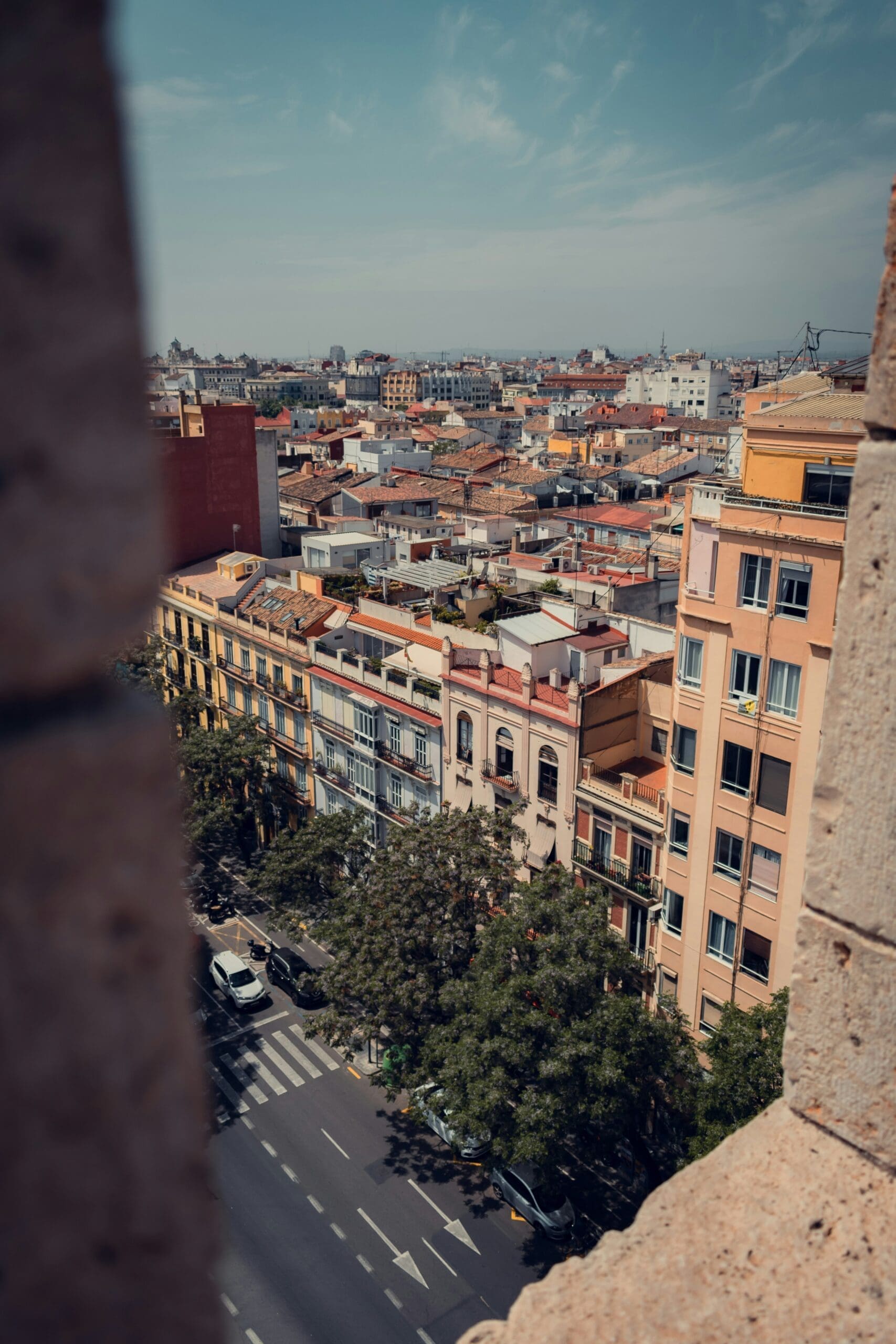
by Aldara Gutiérrez Pol (https://unsplash.com/@aldara_gp)
Art and Relics: Treasures Inside the Cathedral
The Cathedral of Valencia is not just an architectural masterpiece, but also a repository of impressive artworks and relics. Its interiors are richly adorned with historical paintings and sculptures from various eras. These treasures tell the story of the city and the religious devotion of its inhabitants. Upon entering the cathedral, visitors often feel transported to another time, surrounded by the splendor of the past.
Particularly noteworthy is the main chapel, which sparkles with Gothic artworks. The impressive frescoes on the chapel's ceiling are a masterpiece by Renaissance artists and invite visitors to gaze heavenward. These frescoes depict angels and celestial scenes and are considered one of the cathedral's most significant artistic contributions. They lend the space a solemn and spiritual atmosphere that captivates visitors.
The cathedral houses a remarkable collection of religious relics. A significant artifact is the Holy Grail, often described as the chalice used by Jesus at the Last Supper. This relic attracts worshippers and curious visitors from around the globe and is a focal point of cathedral tours. Its historical and religious significance makes it one of the cathedral's most treasured possessions.
In addition to paintings and relics, the cathedral also houses impressive artifacts such as the magnificent organ, which often plays at concerts. Its music fills the space with a sound that complements the beauty of the surroundings. The organ's melodies touch the soul and enhance the spiritual experience of a visit to the cathedral.
Inside the cathedral, visitors will find a variety of art historical and religious treasures:
- Frescoes from the Renaissance in the Main Chapel
- The legendary Holy Grail
- Works by famous artists like Goya
- An imposing organ that fills the cathedral with music
- Sacred Sculptures and Altars
The Cathedral of Valencia is a place where art and history come alive. Its treasures invite visitors to discover the religious and cultural significance of Valencia. A tour through the cathedral offers not only visual delights but also a deeper understanding of the city's spiritual journey through the centuries.
The cathedral in the heart of the old town.
The Cathedral of Valencia stands proudly in the heart of the old town. This vibrant area is the cultural and historical center of Valencia. The narrow alleys, cobbled streets, and charming squares surrounding the cathedral invite you to take a walk through history. Every corner exudes the atmosphere of past times, while modern cafes and shops showcase the vibrant life of the city.
A particularly popular meeting spot is the Plaza de la Virgen, directly in front of the cathedral. This square is surrounded by historic buildings and fountains, which give it a special charm. Locals and tourists alike meet here to enjoy the atmosphere. Street performers and musicians provide entertainment and bring the square to life. The view of the impressive cathedral facade from here is simply breathtaking.
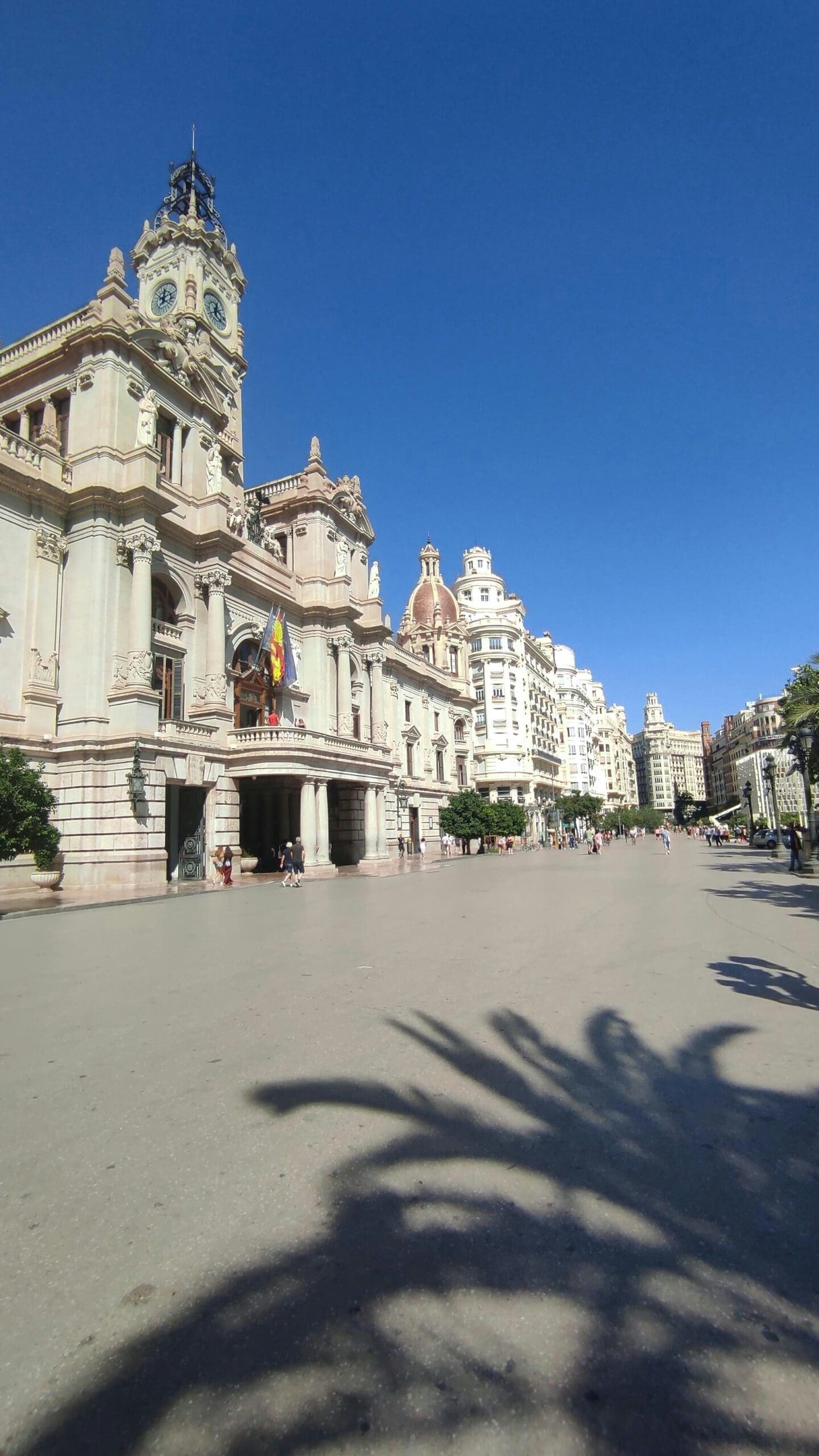
by Lukáš Kačaliak (https://unsplash.com/@lukasbb)
The cathedral's location in the old town makes it easily accessible for visitors who want to explore Valencia's sights. Its proximity to other historical sites like the Basilica of the Virgin of the Helpless and the Silk Exchange highlights its importance in the city. These attractions are less than a ten-minute walk away, offering visitors the chance to experience Valencia's rich history in a short amount of time.
In the historic center of Valencia, the city's historical heritage blends with its modern charm. While strolling through the streets, visitors discover not only the Cathedral but also hidden gems like small art galleries and traditional tapas bars. This mix of old and new makes the old town an unmissable destination for any visitor to Valencia. The Cathedral remains a central landmark, embodying the city's history and soul. It is not only an architectural masterpiece but also a symbol of Valencia's vibrant culture.
The Cathedral as a Spiritual and Cultural Center
The Valencia Cathedral not only serves as an architectural highlight but also as an important spiritual center. As an active place of worship, it attracts believers from all over the world. Regular services and religious ceremonies keep the spiritual tradition alive. Visitors can thus experience the reverent atmosphere and the spirituality of Valencia.
Beyond its spiritual role, the cathedral is also a cultural center of considerable importance. It houses significant works of art and relics that illustrate the history and culture of Christianity in Spain. The cathedral's impressive organ is frequently used for concerts. These musical events offer visitors a unique opportunity to combine the splendor of the building with the art of music.
The diversity of architectural styles in the cathedral reflects the different eras that have shaped Valencia's history. This architectural blend attracts architecture enthusiasts and historians alike. Each element tells a story and contributes to Valencia's rich cultural heritage. The stonework and ornamentation are a testament to the cathedral's enduring cultural significance throughout the centuries.
Special events such as festivals and religious processions further enrich the Cathedral's cultural program. During such occasions, the doors open for a deep cultural exchange, offering visitors the opportunity to participate actively. The Cathedral of Valencia thus remains a vibrant space, harmoniously combining spirituality and culture, shaping Valencia's identity.
Practical Tips for Visitors
A visit to the Valencia Cathedral can easily be integrated into an exploration of the old town. Due to its central location, it is easily accessible. Especially on weekdays, when it is a bit quieter, it is an opportunity to visit the cathedral in peace. Guided tours are available and offer deep insights into the history and architecture.
There are a few things visitors should keep in mind to optimize their stay. For example, it is recommended to check admission times and fees in advance, as these can vary. It is advisable to wear comfortable shoes, especially if you plan to climb the Miguelete Tower. The view from the top is worth the effort and offers a spectacular panorama of Valencia.
Here are some practical tips for your visit, summarized:
- Check admission times: Opening hours vary, especially on holidays.
- Book a tour: Experience the history of the cathedral through an informative tour.
- Comfortable clothing Especially for the ascent of the Miguelete Tower.
- Photography opportunities: The interiors are impressive, but ask about photo rules.
- Buy tickets in advance Avoid queues and secure your entry.
With these tips in mind, there's nothing standing in the way of an enriching visit to Valencia Cathedral, allowing you to fully enjoy one of the city's most significant historical buildings.
Conclusion: A must-see among Valencia's sights
The Valencia Cathedral is undoubtedly a jewel in the heart of the city. It seamlessly blends history and architecture that have grown over centuries. Its impressive construction tells of different eras and stylistic influences. For anyone interested in history or art, the cathedral offers a wealth of discoveries.
In addition to its cultural and historical significance, the cathedral is an active place of worship. It is a symbol of Valencia's rich history and religious traditions, allowing visitors to experience these in an authentic atmosphere. Its artistic treasures and the legendary Holy Grail attract pilgrims and tourists alike.
Due to its central location in Valencia's Old Town, the Cathedral is easily accessible. It is an essential highlight on any city itinerary. Whether for cultural interest or as a sanctuary of peace, Valencia Cathedral offers unforgettable impressions to every visitor. It is undoubtedly one of the most remarkable sights in Valencia.