
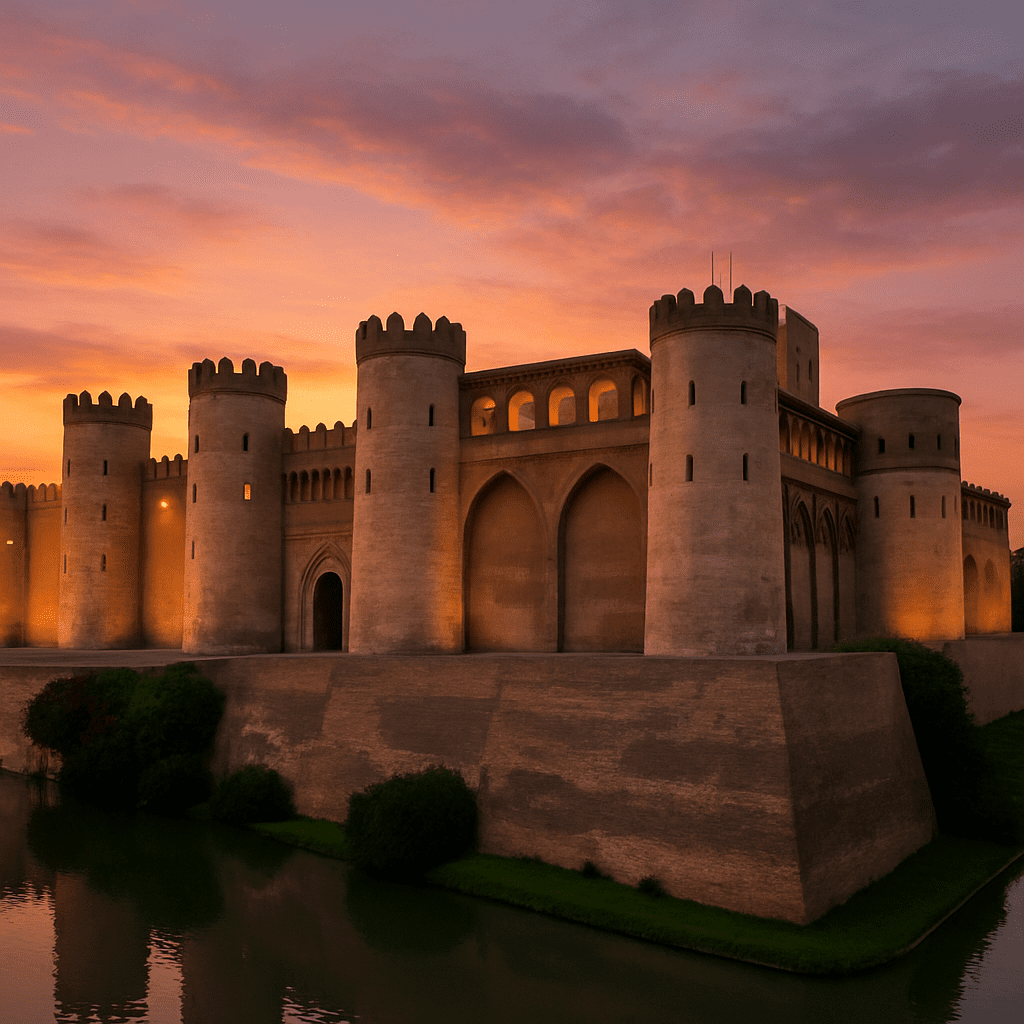
The Aljafería Palace is a fascinating testament to Moorish architecture in Spain. Located in the heart of Zaragoza, it attracts visitors from all over the world. Its history dates back to the 11th century.
This palace was once the residence of the Taifa kings of Zaragoza. It symbolizes the power and prosperity of these rulers. After the Christian reconquest, it was rebuilt and expanded.
Today, the Aljafería Palace is home to the Aragonese Parliament. It is a UNESCO World Heritage site and a significant cultural treasure. Its architecture combines Islamic, Gothic, and Renaissance styles.
The ornate Arabic arches and geometric gardens are impressive. The famous Throne Hall with its stucco work is a highlight. Visitors can take guided tours of the palace.
The Aljafería Palace is a place of discovery and wonder. It offers a glimpse into the lives of Moorish rulers. Its rich history spans from Islamic to Christian rule.
This palace is a symbol of Spain's cultural diversity. It inspires artists and architects worldwide. A visit to the Aljafería is a must for anyone exploring Zaragoza.
The Aljafería is not just an architectural masterpiece. It is also a place of peace and beauty in the middle of the city. Here, history comes alive and is tangible.
The Origins of the Aljafería Palace: Moorish Splendor in Zaragoza
The construction of the Aljafería Palace began in the 11th century under the rule of the Moorish Taifa kings. These Muslim rulers brought their cultural influence to Zaragoza. The palace was intended to reflect their power and prosperity.
The construction was conceived as a kind of fortress. The palace was not only a residence but also a center for administration and defense. Its thick walls bear witness to its strategic importance.
The first builder was the Taifa king Al-Muqtadir of Zaragoza. He commissioned the best builders of his time. Their goal was to create a masterpiece of Islamic architecture. The result was an impressive palace that still fascinates today.
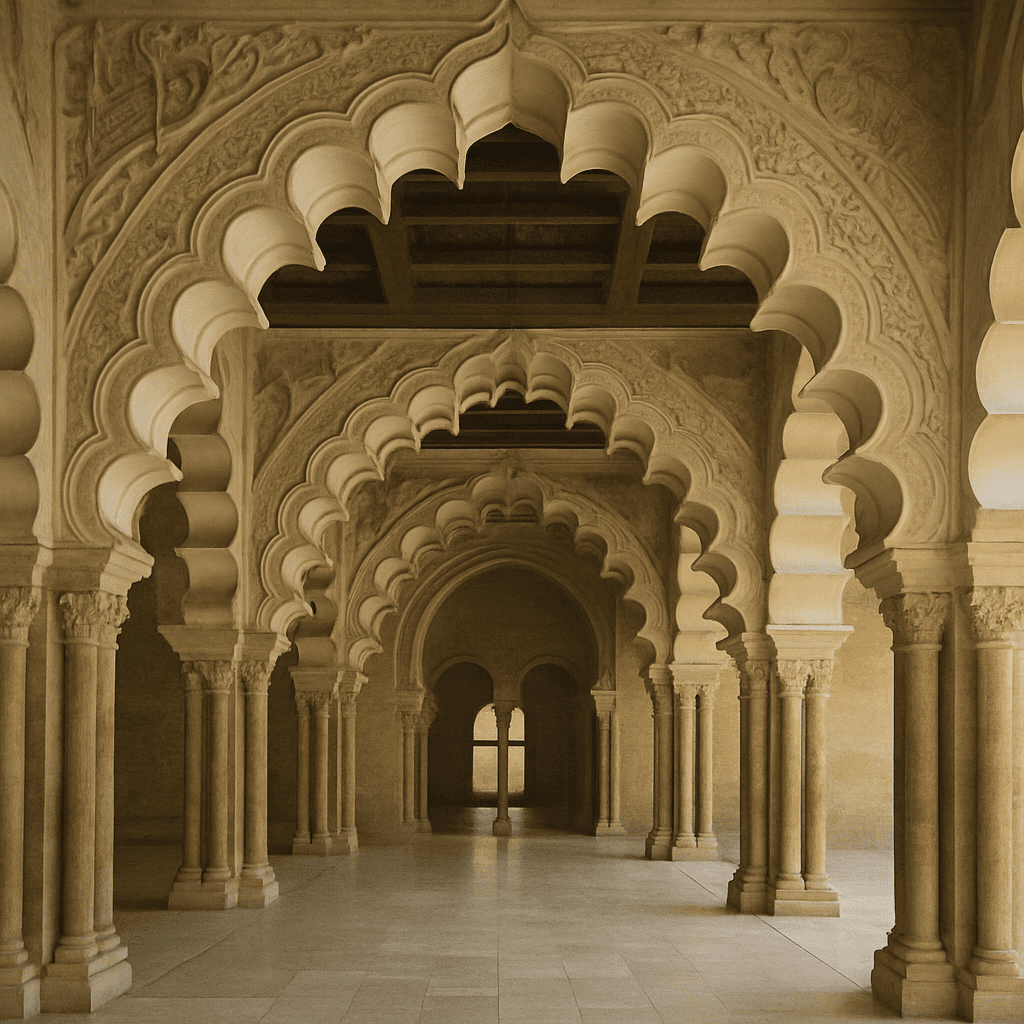
The Aljafería was considered a political and cultural center. It attracted scholars, artists, and philosophers from all over the Islamic empire. Its architecture brought new artistic styles to Spain.
The ornate Arabic arches and calligraphy are outstanding. They reflect the aesthetic principles of Islamic art. The geometric patterns and elegant embellishments are timeless.
The Aljafería was more than just a seat of power. It embodied the golden age of Muslim culture in Spain. For centuries, the palace remained a model of beauty and elegance. Today, it is a significant monument to Moorish splendor in Europe.
From the Taifa Kingdom to a Christian Residence: A Winding History
After the conquest of Zaragoza by the Christians in 1118, the Aljafería Palace changed its purpose. The new Christian rulers incorporated the palace as a royal residence. Its significance as a symbol of power remained.
The Christian kings added new architectural elements to the palace. They combined Gothic and Romanesque styles, reflecting their reign. This architectural fusion testifies to the enrichment that various cultures contributed to Spain.
A significant renovation took place in the 15th century when King Ferdinand and Queen Isabella of Spain used the palace. The Aljafería experienced a Renaissance as they used the palace as a court. Elegant Renaissance elements such as magnificent ceilings and intricate decorations were added.
Over the centuries, the palace has undergone numerous restorations. These restorations have preserved its original character while adding new functions. Each layer of architecture tells stories of changing reigns and eras.
Today, the palace impressively showcases Spain's long and multifaceted history. From the Moorish Taifa kingdom through the Christian reconquest to its modern use as the seat of parliament. The Aljafería remains a living testament to past eras and cultural integration. It lends Zaragoza an enduring historical depth.
Architecture and Art: Unique Styles and Details of the Aljafería
The Aljafería Palace is an outstanding example of Moorish architecture in Spain. It perfectly combines Islamic art with later Christian and Gothic elements. This makes it a unique testament to the harmonious fusion of different styles.
The magnificent Arabian arches and intricate stucco work are central. These elements reflect the richness and sophistication of Islamic culture. Visitors are often impressed by the delicate attention to detail in Moorish craftsmanship.
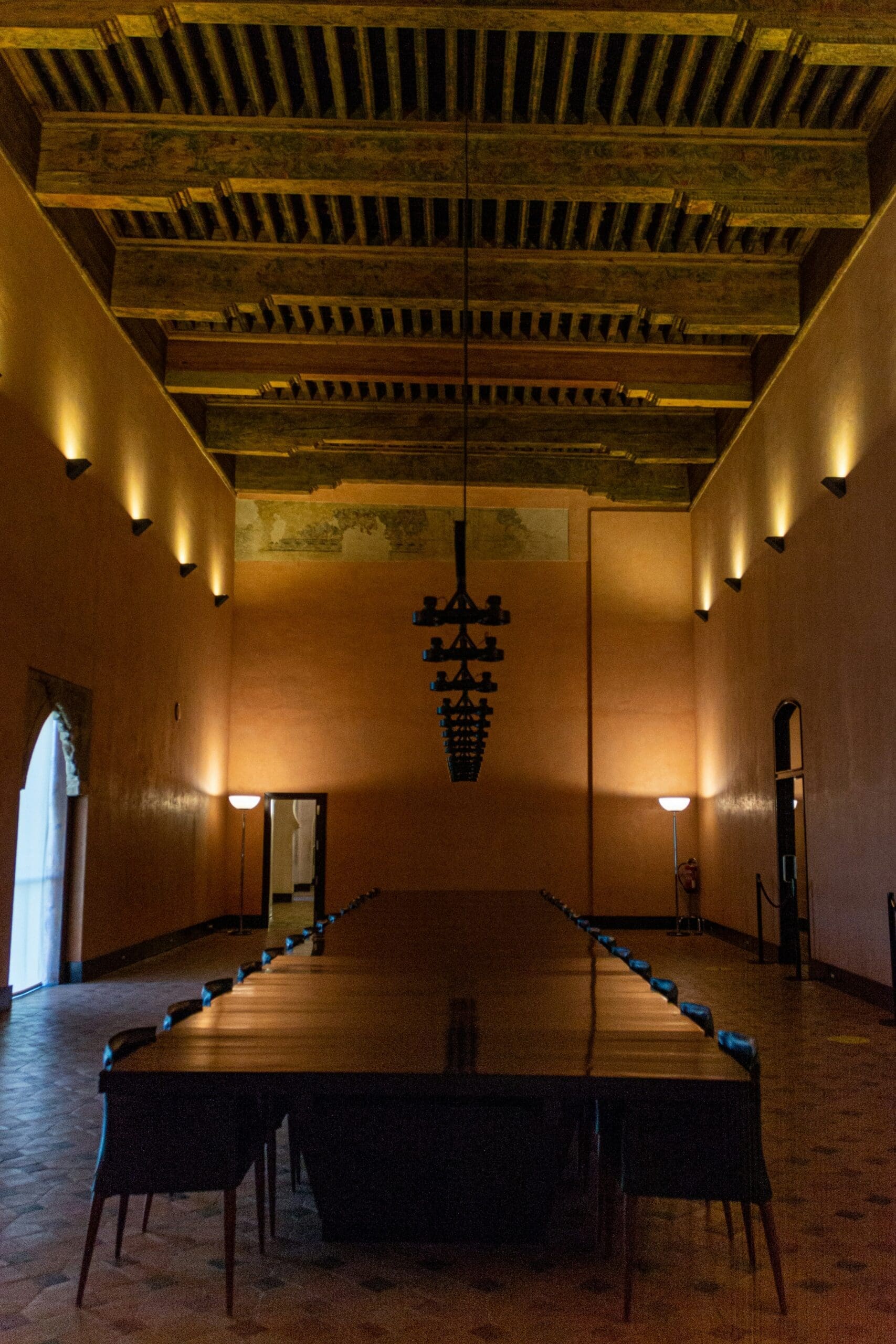
The throne room is one of the most significant rooms in the palace. It captivates with its ornate ceilings and decorations. Its ornamentation is influenced by Islamic and Gothic art and attracts numerous admirers.
The courtyards of the Aljafería are also impressive. These courtyards are known for their geometrically designed gardens, which served as places of retreat. Their design follows the Arab pursuit of harmony between architecture and nature.
Another striking feature of the palace is its strategic construction. It was built as a fortress, intended to offer both protection and representation. The massive walls and towers attest to the defensibility of this architectural masterpiece.
- Arabesque arches
- Artistic stucco work
- Throne room with Gothic and Islamic influences
- Geometric Garden Designs
- Strategic construction as a fortress
In addition to the impressive architecture, the palace also houses murals and elaborate frescoes. These tell stories of conquests, celebrations, and the daily life of past times. Each depiction is a window into the multicultural past of Zaragoza.
The Aljafería remains a significant site of art and architecture. It continues to inspire artists and architects to this day. Its influence on Spanish construction is undeniable, making it an essential subject of study for architecture enthusiasts.
Significant rooms and sights in the Aljafería Palace
The Aljafería Palace in Zaragoza has numerous impressive rooms and sights. These offer insight into the stories and myths that surround the palace. Each area of the palace tells of a different era and culture.
A particularly remarkable room is the salon with the golden ceiling. It is known for its elaborate coffered ceiling adorned with gilded woodwork. This beautifully reflects the light and is a highlight for every visitor.
The Throne Room, also called the Hall of Receptions, is another must-see. Here, Moorish kings received visitors and guests. Its magnificent ceilings and decorations are an expression of the power and splendor of the Moorish empire.
Besides the magnificent halls, the palace's religious sites are also significant. The Aljafería Mosque, though small, displays exquisite Islamic decorations. It served the Moorish rulers as a private prayer space.
A list of significant rooms and sights in the Aljafería Palace includes:
- Salon with a golden ceiling
- Throne room
- Mosque of Aljafería
- Palace Gardens
- The Towers of Troubadour and Trovador
The palace gardens are an example of Islamic landscape art. Geometrically arranged, they invite a peaceful stroll and offer respite from the bustle of the city. These gardens were once favorite retreats for the rulers.
Not to be forgotten are the Towers of Troubadour and Trovador. These towers are testaments to military architecture and offer a breathtaking view over Zaragoza. Each tower carries its own history of defense and attack.
The Aljafería Palace is not only an architectural masterpiece but also a cultural treasure. It embodies the eventful history of Spain and the coexistence of different cultures and traditions. Visitors have the opportunity to delve deep into the past and experience the beauty and grandeur of this historic site.
The Aljafería in Transition: Restorations and Current Use
The Aljafería Palace in Zaragoza has undergone a fascinating history of transformations. Originally built in the 11th century, it was erected by the Moorish rulers of Zaragoza as a magnificent residence. After the Christian Reconquest, a new era began for the Aljafería, during which the palace underwent diverse changes.
Over the centuries, numerous restorations have been carried out to preserve the Moorish splendor. Especially in the 20th century, the palace underwent significant restoration measures. These aimed to harmoniously showcase the Moorish, Gothic, and Renaissance elements. The elaborate work helped to preserve the palace from decay.
by David Vives (https://unsplash.com/@davidvives)
Today, the Aljafería Palace is a vibrant place that combines history with modern use. It serves as the seat of the Aragonese Parliament. The combination of historical architecture and political significance makes the Aljafería a unique building. The palace connects the past with the present in a fascinating way.
Besides its political function, the Aljafería has established itself as a significant tourist destination. Thousands of visitors flock to Zaragoza each year to admire the palace's majestic architecture and intricate details. Guided tours offer a deeper insight into the historical significance and architectural peculiarities of the building.
The Aljafería remains a symbol of Spain's cultural diversity and harmony. Its walls tell stories of conquests, change, and renewal. The palace is a living museum and a testament to Spain's tumultuous history and its resilience. Through its restorations and current use, the Aljafería Palace remains an indispensable part of Zaragoza's cultural heritage.
The Cultural Significance of the Aljafería for Zaragoza and Spain
The Aljafería Palace is more than just an architectural masterpiece. It is a symbol of Spain's rich cultural diversity and history. The palace bears witness to the fusion of Islamic, Gothic, and Renaissance styles that have significantly shaped Spanish architecture.
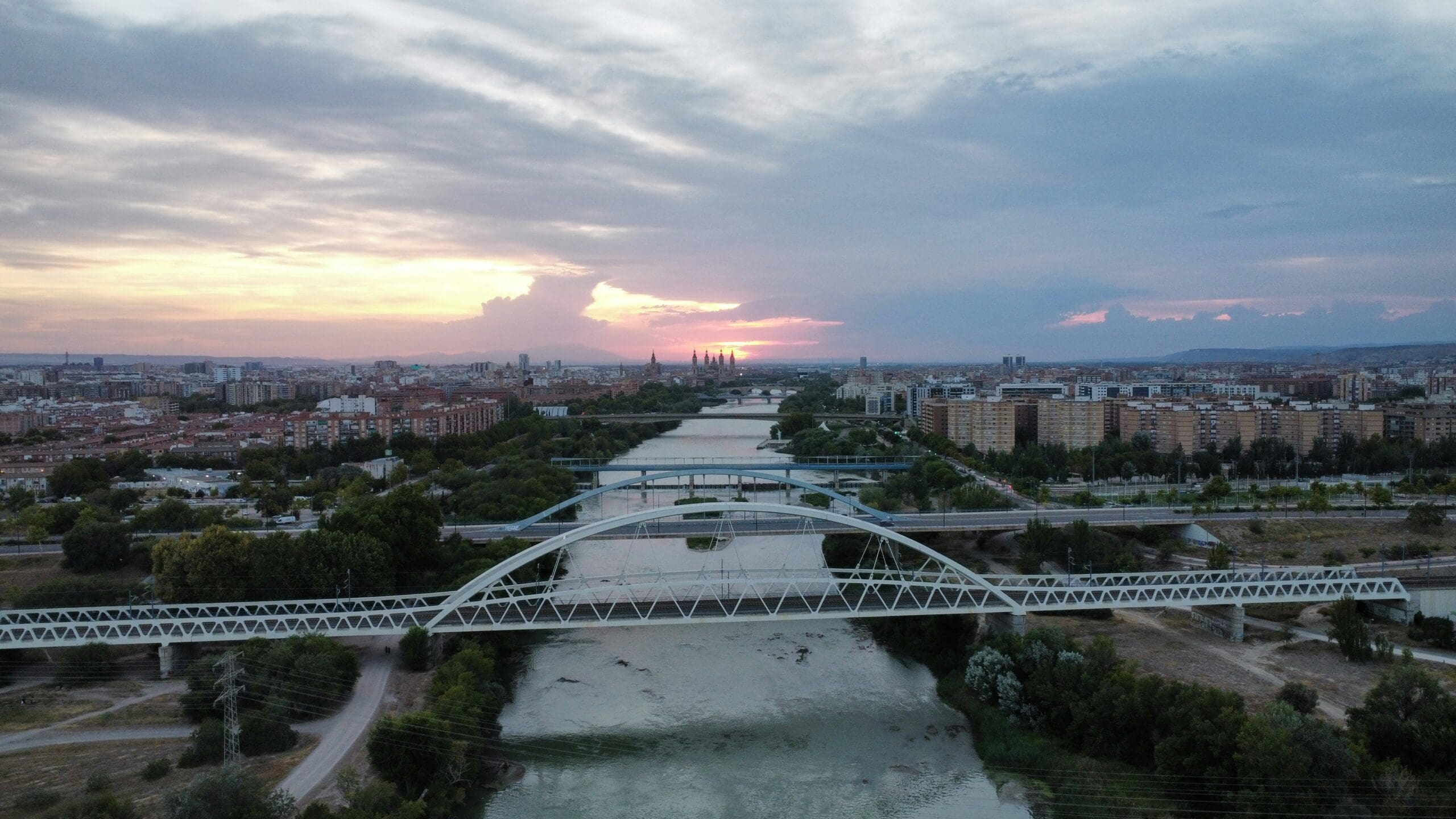
Its walls tell stories of conquest and cooperation. The Aljafería has served as the setting for important historical events. Its significance extends far beyond the borders of Zaragoza, influencing Spanish culture and identity.
by Jhon Castro (https://unsplash.com/@jhohev)
The Aljafería is a significant example of Islamic art in Spain. It continues to inspire historians, architects, and artists today. The palace is a living testament to the Islamic presence on the Iberian Peninsula, representing a period of cultural richness and artistic flourishing.
Its inscription as a UNESCO World Heritage Site recognizes its cultural and historical significance worldwide. This recognition contributes to the international appreciation and protection of the Aljafería. It is considered a place of learning and cultural exchange that fascinates visitors from all over the world.
The Aljafería is an essential part of Zaragoza's cultural identity. The palace offers residents and visitors a space for beauty and reflection. It encourages the preservation of shared history and the education of new generations about it. The Aljafería remains a place of unity and remembrance, keeping Spain's rich past alive.
Visiting Tips: Experience the Aljafería Palace Up Close
A visit to the Aljafería Palace promises an unforgettable experience that will immerse you in the history of Spain. Before planning your visit, check the opening hours and admission fees to avoid any surprises. The palace is quite popular during peak season, so we recommend booking tickets in advance.
Guided tours are an excellent way to discover the complex history and architecture of the Aljafería Palace. These tours offer deeper insights than you could explore on your own. Trained guides illuminate the intricacies and historical details that make the Aljafería unique.
Exploring the various rooms and courtyards can be fascinating. Take your time to observe the intricacies of Islamic and Christian architecture. Let yourself be enchanted by the atmosphere of these centuries-old walls and listen to the stories they have to tell.
Here are some tips to make your visit the best it can be:
- Book tickets in advance Avoid long queues and secure your spot.
- Use guided tour Gain valuable historical insights and discover hidden treasures.
- Arrive early in the day: Enjoy the tranquility and avoid the crowds.
- Wear comfortable footwear Exploring cobblestone streets and stairs can be strenuous.
- Get your cameras ready The photo opportunities are numerous and amazing.
A visit to the Aljafería Palace is not just an immersion into the past. It is an opportunity to experience the cultural significance and beauty of this outstanding structure. Plan your visit carefully, and you will be rewarded with unforgettable memories.
Conclusion: A place where history comes alive
The Aljafería Palace is more than just an architectural masterpiece. It is a living testament to Spain's rich and complex history. The harmonious fusion of various cultural influences makes it a unique symbol of the past and the present. It reflects the splendor of the Moorish rulers as well as its later transformation under the Christian kings.
A visit to the Aljafería Palace in Zaragoza is like stepping through the centuries. It is a place where history can not only be admired, but experienced. The inspiring atmosphere and impressive architecture will leave no visitor unmoved. Take your time to discover this extraordinary piece of cultural heritage and let history immerse you.