

Madrid is a city where art does not merely hang on walls; it pulses through the very veins of the streets. From classical royal commissions to avant-garde masterpieces and vibrant urban murals, Spain’s capital is a global heavyweight in the art world. However, if you want to understand the turbulent, passionate, and groundbreaking soul of 20th-century Spain, there is one Madrid art gallery you simply cannot miss.
Internationally celebrated—and often highlighted in European guidebooks under the name Nationales Kunstzentrum Reina Sofía—Spain’s premier museum of contemporary and modern art is a staggering achievement. Housed in a former 18th-century hospital, the Reina Sofía museum seamlessly blends historic neoclassical architecture with a striking contemporary expansion designed by Jean Nouvel.
Whether you are an art aficionado or a casual sightseer, navigating Madrid’s vast artistic offerings can feel overwhelming. This comprehensive guide will walk you through the halls of the Reina Sofía, help you compare the city’s top institutions, and give you the insider knowledge needed to curate the perfect cultural getaway.
Inside the Reina Sofía: A Journey Through Spanish Modernism
The collection at the Reina Sofía museum is a deep dive into the 20th century, heavily focusing on Spanish artists who changed the global trajectory of art. As you ride the iconic glass elevators up the facade of the Sabatini building, you are preparing to step into an era defined by surrealism, cubism, and political upheaval.
If you are wondering which museum houses Picasso’s Guernica, the answer is right here. Taking up an entire room on the second floor, Guernica is an anti-war masterpiece that leaves visitors in awed silence. Painted in 1937 in response to the bombing of a Basque town during the Spanish Civil War, its massive scale and haunting monochromatic agony make it one of the most important paintings of the 20th century.
But the museum is far more than just a single painting. Visitors can explore the dreamlike, melting landscapes of Salvador Dalí and the colorful, abstract constellations of Joan Miró. The museum also champions the work of lesser-known avant-garde creators and female surrealists like Remedios Varo and Maruja Mallo, ensuring a comprehensive look at Spain’s modern creative evolution.
The Big Debate: Prado vs Reina Sofia for First-Time Visitors
If your time in Madrid is limited, you might find yourself facing a tough decision: which museum should you prioritize? When weighing Prado vs Reina Sofia for first-time visitors, the choice ultimately comes down to your personal artistic tastes.
The Prado Museum The Prado is Spain’s Louvre. It is a historical treasure trove where you will find the absolute best Spanish Golden Age masterpieces to see, including Diego Velázquez’s Las Meninas and Francisco Goya’s The Third of May 1808. It is heavily focused on art from the 12th to the early 19th centuries, emphasizing royal portraits, religious iconography, and classical mythology.
The Reina Sofía Conversely, the Reina Sofía picks up roughly where the Prado leaves off, starting in the late 19th century and moving through to contemporary works. If you prefer modernism, political art, cubism, and surrealism, this is your sanctuary.
To round out your understanding of the city’s major institutions, it is also worth noting the Thyssen-Bornemisza vs Prado collection differences. While the Prado offers a deep, exhaustive look into a few master painters collected by Spanish monarchs, the Thyssen-Bornemisza provides a chronological walk through the entire history of Western art. From 13th-century Italian primitives to American Pop Art, the Thyssen fills in the historical gaps left by both the Prado and the Reina Sofía.
Navigating the Golden Triangle and Beyond
Madrid’s three major museums (Prado, Reina Sofía, and Thyssen-Bornemisza) are located within a short walk of each other. This leafy, monument-lined area makes up the famous Golden Triangle of Art walking route.
The entire boulevard connecting these institutions is part of the Paseo del Prado UNESCO World Heritage site, recognized globally as a „Landscape of Light.“ Walking this tree-lined promenade, dotted with historic fountains like Cibeles and Neptuno, is an artistic experience in its own right.
Stepping Off the Beaten Path
Once you have seen the heavyweights, you might want to explore how the city’s artistic legacy continues today. Just a stone’s throw behind the Reina Sofía, you can discover incredible contemporary art exhibitions in Doctor Fourquet street. This narrow, unassuming street boasts one of the highest concentrations of independent art galleries in Europe, making it the perfect place to spot emerging trends and avant-garde installations.
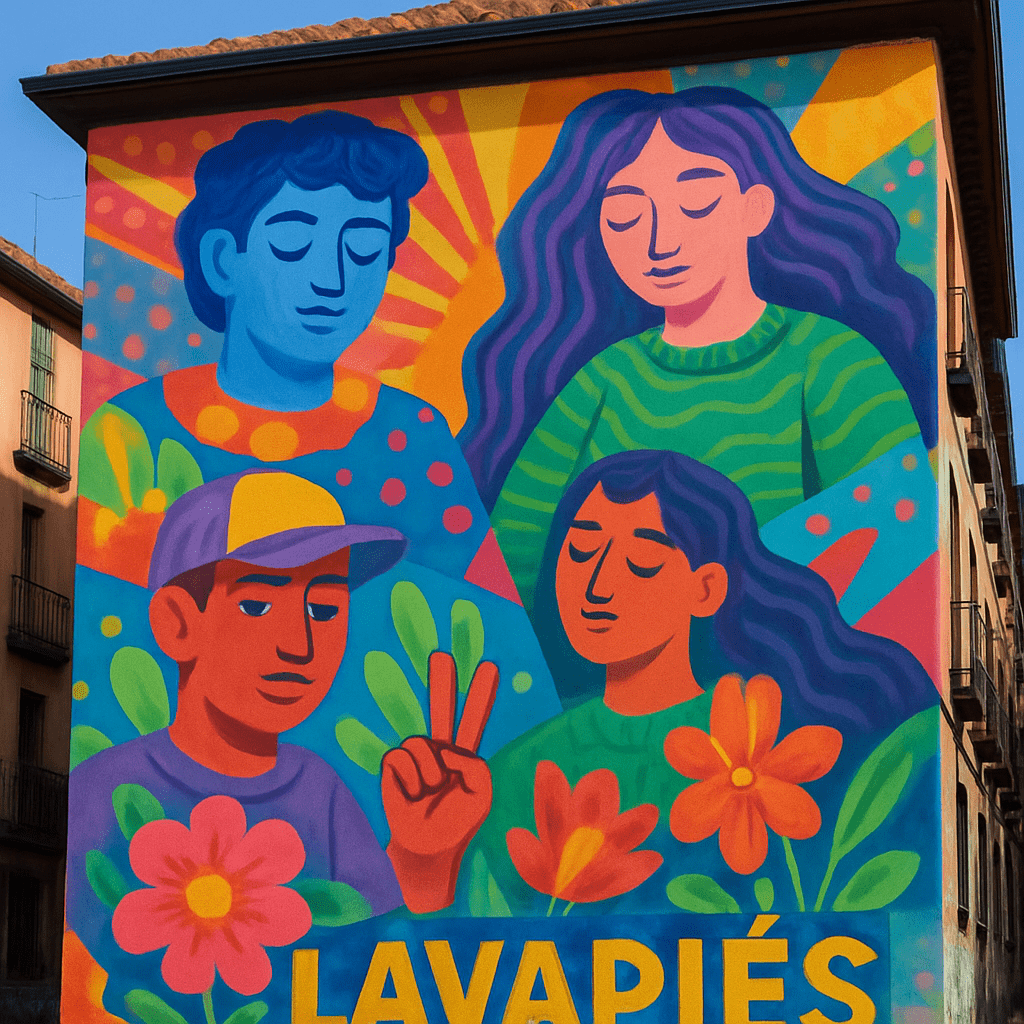
If you prefer your art outside the confines of a white cube, head slightly south to the multicultural neighborhood of Lavapiés. For urban art enthusiasts wondering where to find street art in Lavapiés, simply wander down Calle de Embajadores or around the Tabacalera building. The area frequently hosts street art festivals, turning building facades and shop shutters into a massive, open-air canvas.
Alternatively, if you are looking for a more refined, exclusive experience, you can explore the best private collections in the Salamanca district. Hidden inside opulent 19th-century mansions, foundations like the Fundación Juan March offer meticulously curated, lesser-known exhibitions of modern and contemporary art in a beautifully tranquil setting. Furthermore, seeking out emerging Spanish artists in local exhibition spaces like Matadero Madrid (a former slaughterhouse turned sprawling cultural center) offers a fantastic glimpse into the future of Spanish creativity.
Planning a Three-Day Art Museum Itinerary
To truly digest the artistic wealth of Madrid without suffering from museum fatigue, a well-paced schedule is essential. Here is a suggested template for planning a three-day art museum itinerary:
Day 1: Classical Mastery and Royal Gardens
- Morning: Start at the Prado Museum when doors open to beat the heaviest crowds. Spend 3 to 4 hours focusing on the masterpieces by Velázquez, Goya, El Bosco (Bosch), and Titian.
- Lunch: Grab a bocadillo (sandwich) and relax in the nearby Retiro Park, which is part of the UNESCO World Heritage site.
- Afternoon: Visit the Jerónimos Monastery or take a leisurely stroll down the Paseo del Prado to admire the architecture.
Day 2: 20th-Century Turmoil and Urban Vibe
- Morning: Dive into the Nationales Kunstzentrum Reina Sofía. Dedicate ample time to Picasso’s Guernica and the surrealist wings.
- Lunch: Walk to the nearby Lavapiés neighborhood for diverse, international cuisine or traditional Spanish tapas.
- Afternoon: Hunt for street art in Lavapiés and browse the independent galleries on Doctor Fourquet street to see the contrast between established modernism and today’s contemporary creators.
Day 3: The Complete Timeline and Boutique Collections
- Morning: Visit the Thyssen-Bornemisza Museum. Enjoy the eclectic journey from medieval altarpieces to Hopper and Lichtenstein.
- Lunch: Head north toward the upscale Salamanca district.
- Afternoon: Visit the Fundación Juan March or the Lázaro Galdiano Museum to enjoy some of the city’s finest private art collections away from the heavy tourist crowds.
Practical Tips for Your Madrid Art Trip
A little logistical planning goes a long way in ensuring your cultural exploration is stress-free. Here are essential tips for navigating Madrid’s art scene like a local.
1. Maximize the Paseo del Arte Pass
If you plan to visit the „Big Three,“ consider the Paseo del Arte pass value for tourists. This combined ticket grants you one entry to the Prado, Reina Sofía, and Thyssen-Bornemisza within a year of purchase. It generally saves you about 20% compared to buying individual tickets and allows you to bypass the main ticketing queues.
2. Beat the Crowds
Avoiding long queues at major art institutions is crucial, especially during the peak tourist seasons of spring and autumn. Always buy your tickets online in advance. If you don’t have a pass, aim to arrive 15 minutes before opening time, or plan your visit during standard Spanish lunch hours (around 2:00 PM to 4:00 PM) when crowds tend to thin out.
3. Take Advantage of Free Entry
Budget travelers should absolutely take note of the free entry times for state-owned museums.
- The Prado is generally free from 6:00 PM to 8:00 PM Monday through Saturday, and from 5:00 PM to 7:00 PM on Sundays.
- The Reina Sofía offers free entry from 7:00 PM to 9:00 PM on Mondays and Wednesdays through Saturdays, and from 12:30 PM to 2:30 PM on Sundays.
- Tip: The lines for free entry can get incredibly long. Arrive at least 45 minutes before the free period begins to ensure you actually get inside with enough time to see the highlights.
4. Know the Rules of the Room
Understanding photography policies in major Spanish museums will save you from getting scolded by security guards. The rules vary wildly between institutions:
- The Prado: Strictly forbids all photography and video inside the galleries. They enforce this rigorously to ensure the flow of foot traffic and protect the art. Put your phone away and buy a postcard.
- The Reina Sofía: Generally allows photography without flash for personal use throughout most of the museum. However, there is a strict no photography rule in Room 206.06, which houses Guernica.
- The Thyssen-Bornemisza: Allows non-flash photography of the permanent collection, making it the most relaxed of the three major museums regarding cameras.
Conclusion
Madrid’s art scene is a breathtaking tapestry woven from centuries of history, passion, and rebellion. From the awe-inspiring emotional weight of Picasso’s Guernica at the Nationales Kunstzentrum Reina Sofía to the vibrant, spontaneous murals coloring the streets of Lavapiés, the city offers an artistic journey unlike any other in Europe.
By understanding the distinct personalities of each museum, wandering the majestic Paseo del Prado, and venturing into the local contemporary gallery spaces, you will experience the true creative heartbeat of Spain. Book your tickets, pack a comfortable pair of walking shoes, and prepare to be inspired by the boundless artistic riches of Madrid.